



Assetcloud Pricing Score & Analysis
Asset Tracking Software
Pricing score
AssetCloud is a cloud-based asset tracking and management system designed to monitor, audit, and control physical assets across locations.
Main features:
- Centralized asset database
- Barcode and RFID support
- Check-in/check-out tracking
- Scheduled audits and cycle counts
- Maintenance and service management
- Detailed reporting and dashboards
- Role-based user permissions
- Mobile app for on-site asset updates

Assetcloud up to 50% off
Unlock special pricing on Assetcloud with Spendbase
Product Overview
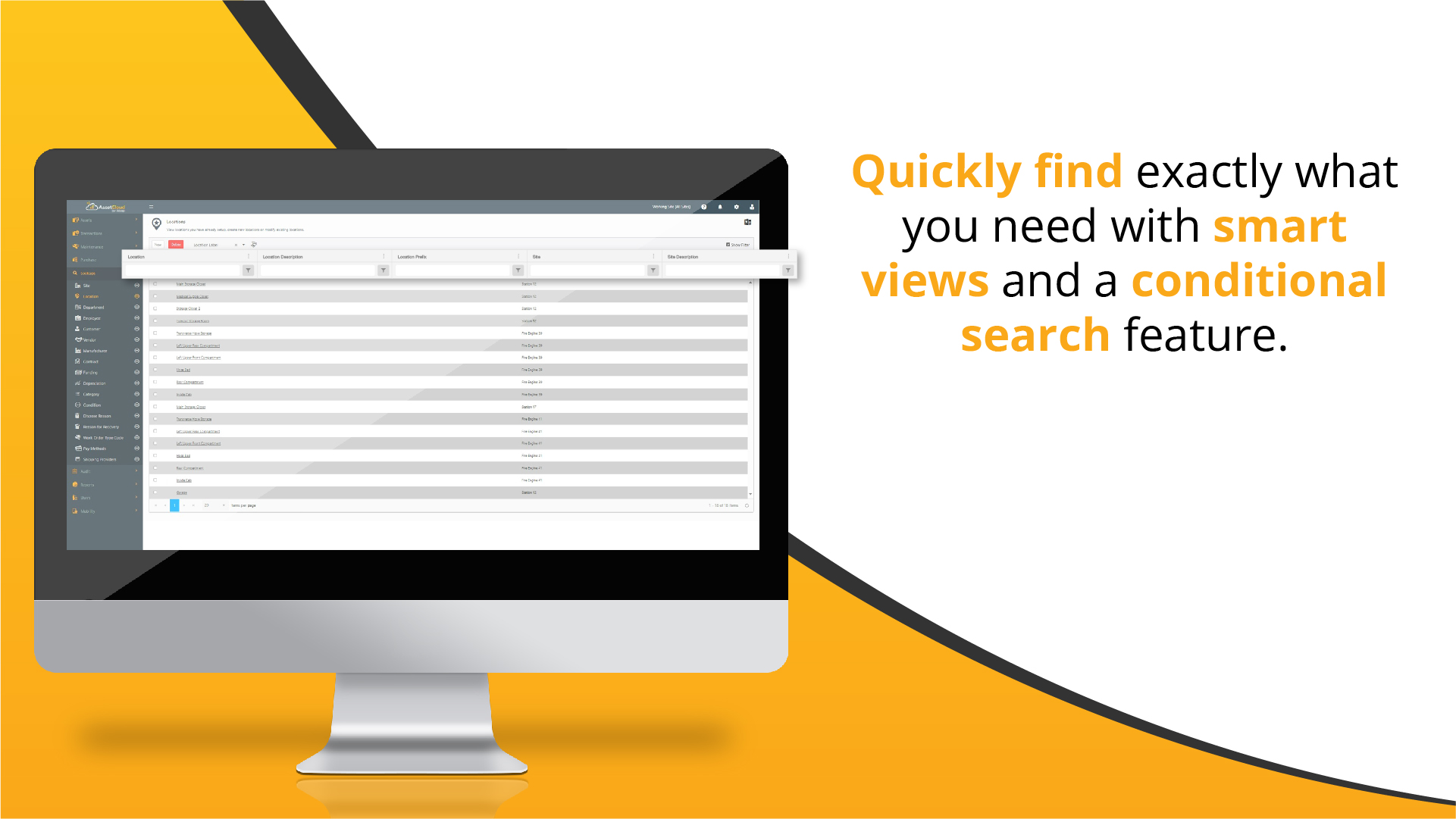

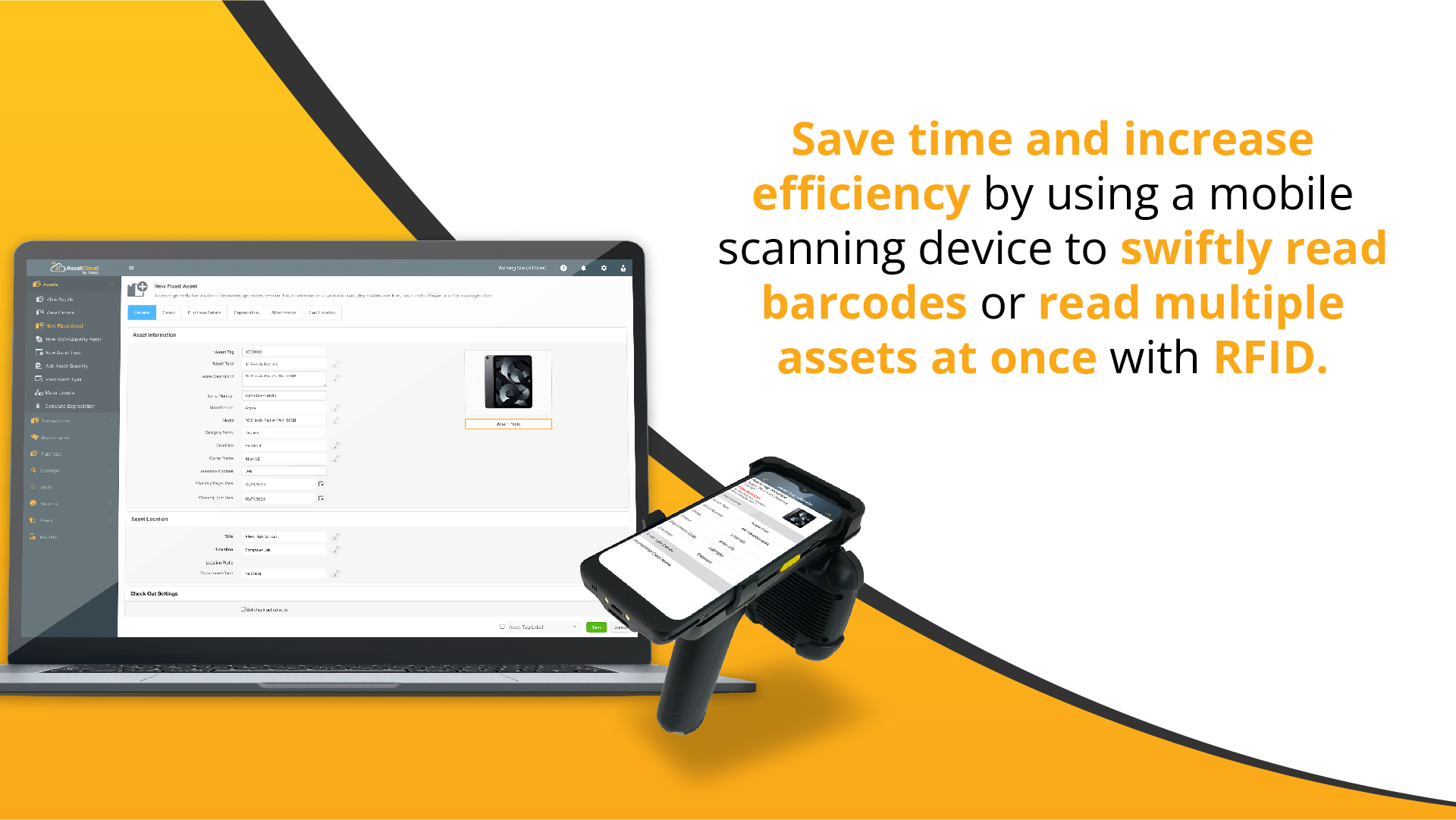
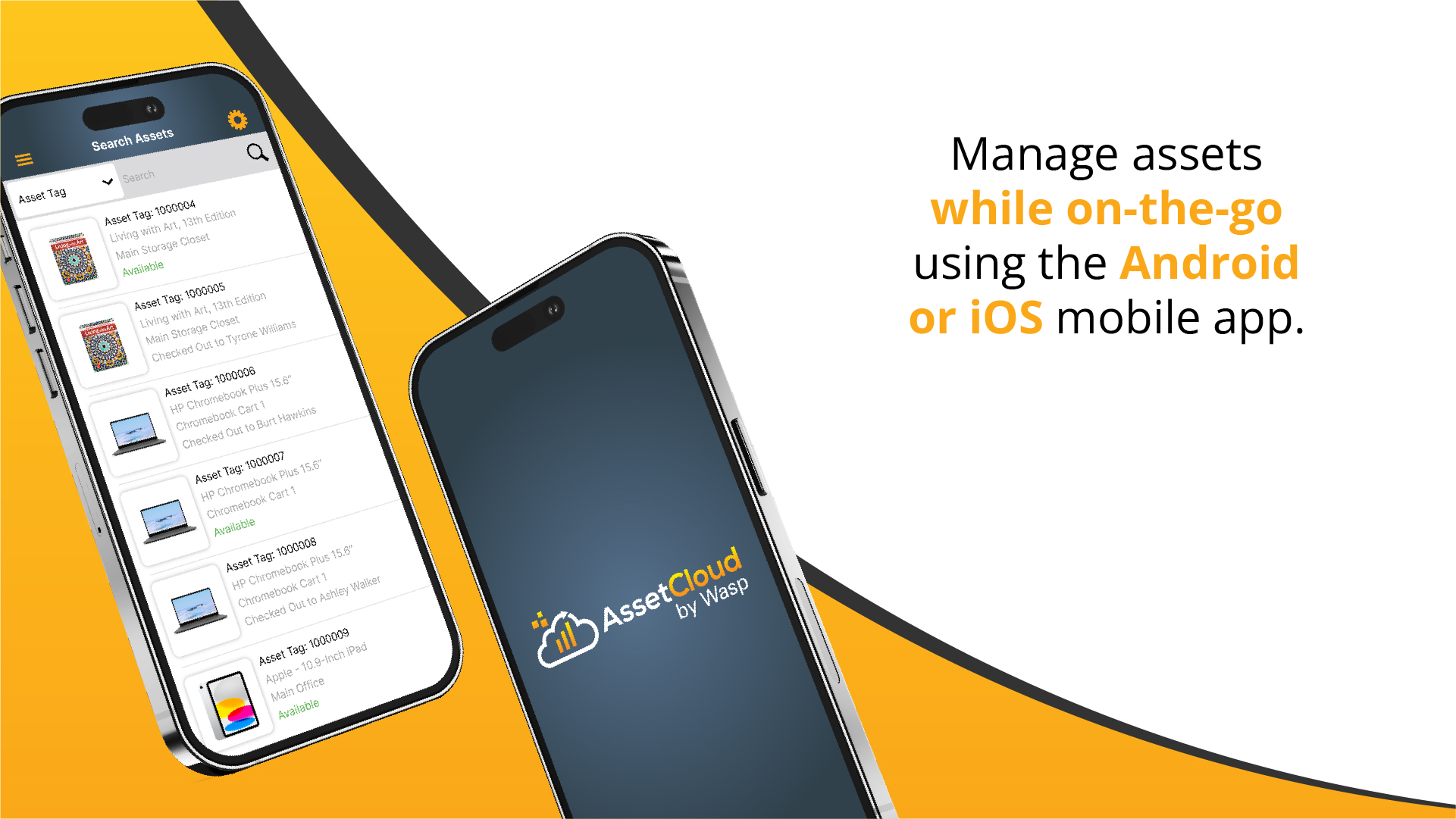
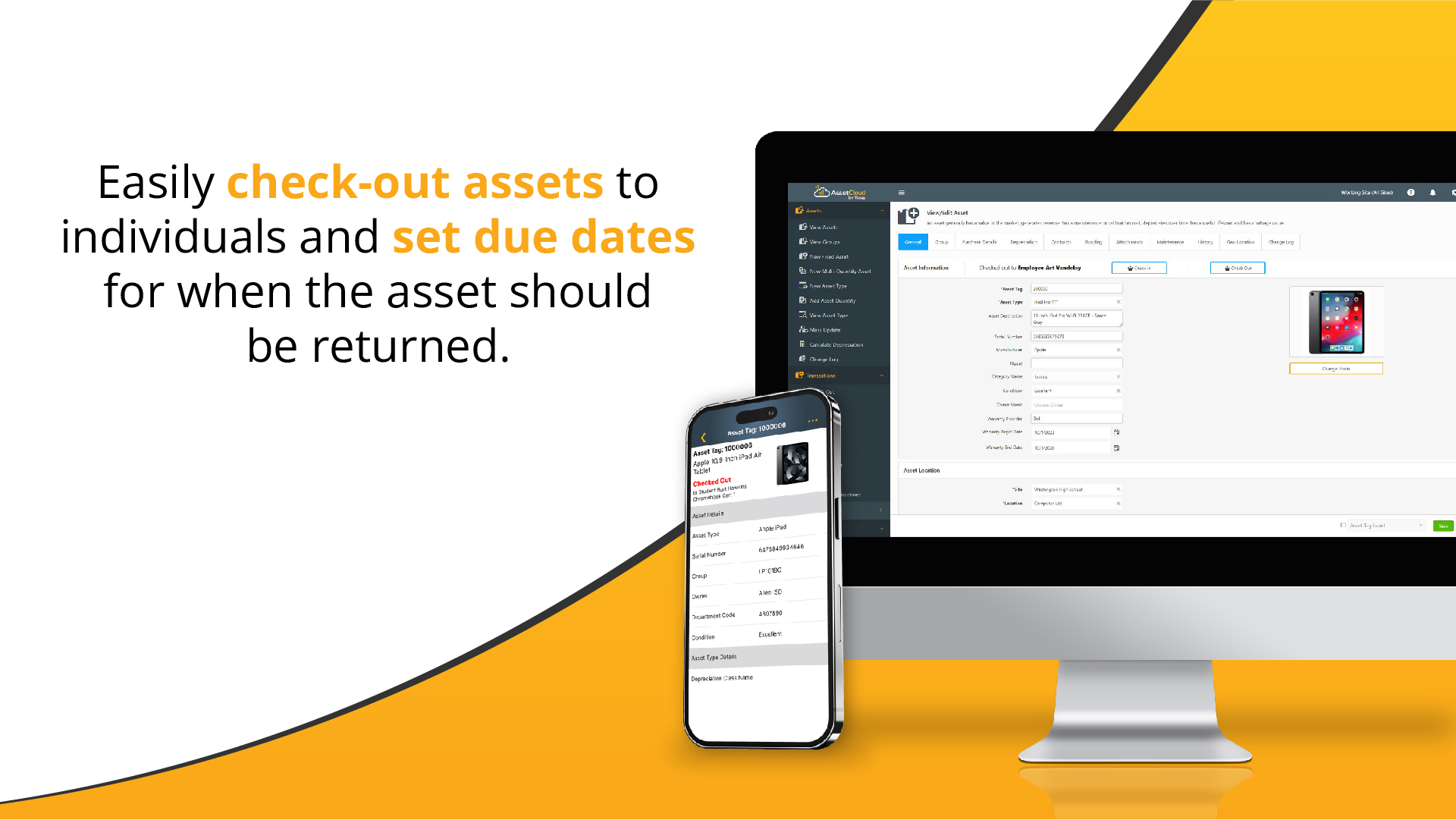
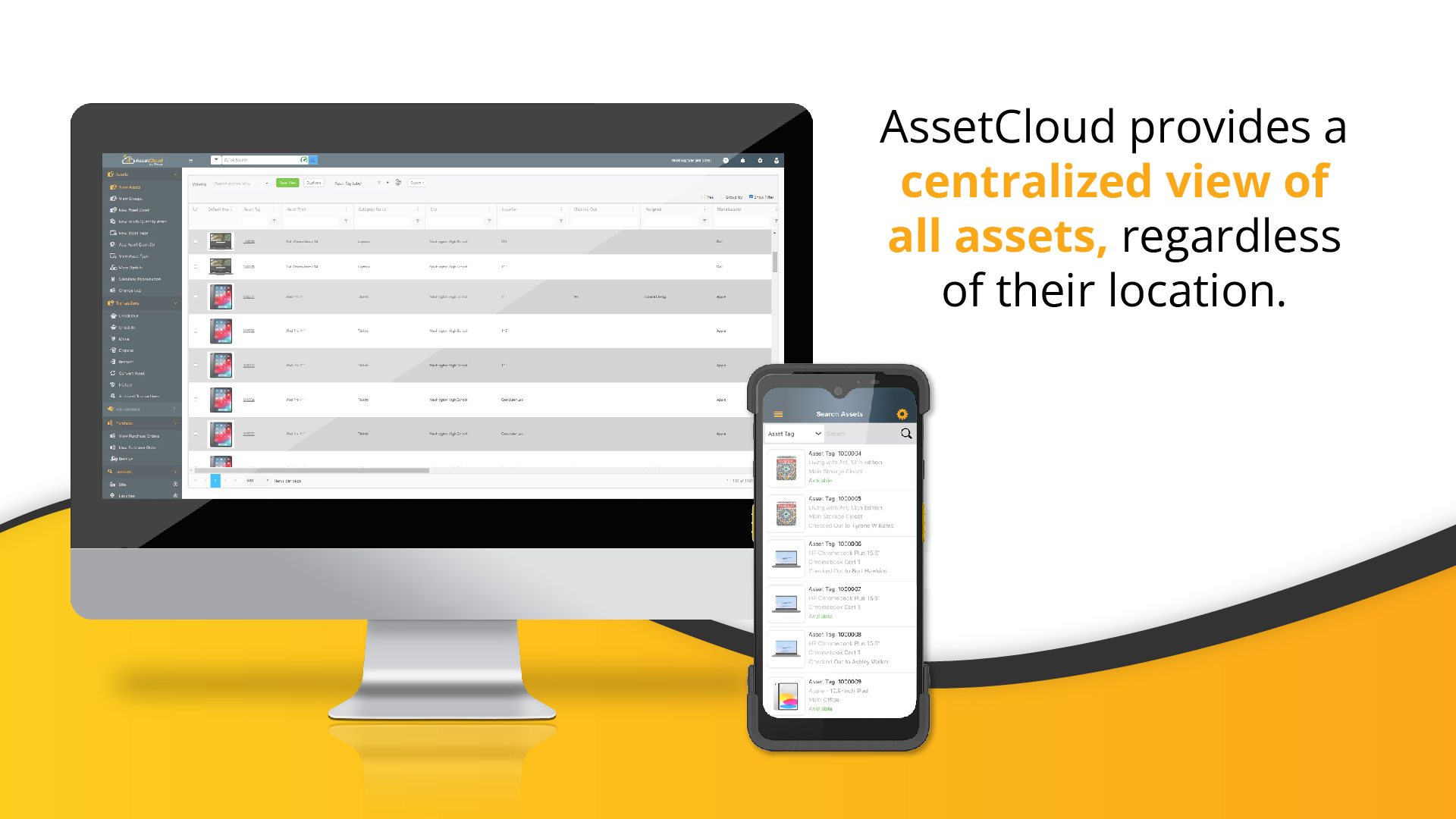
AssetCloud is a cloud-based asset management and tracking system designed to help organizations manage the full lifecycle of their assets. It supports barcode and RFID scanning, check-in/check-out, maintenance scheduling, depreciation tracking, audits, reporting, and role-based access, all accessible via web and mobile apps. Teams that may be interested include IT departments tracking hardware and software, facilities and operations managing equipment and tools, finance and accounting monitoring asset value and depreciation, and inventory or warehouse teams controlling stock and serialized items. It’s also useful for schools, governments, and nonprofits needing accurate asset records for compliance and audits.
Assetcloud up to 50% off
Unlock special pricing on Assetcloud with Spendbase
INSIGHTS
Plan highlights
 AssetCloud Basic (Entry)
Our internal data shows Basic fits small IT, facilities, or finance teams needing foundational asset tracking, audits, depreciation, barcoding, and standard reports for a single site. Ideal for organizations moving off spreadsheets with limited users and straightforward compliance needs.
 AssetCloud Complete (Core Team)
Our internal data shows Complete is best for growing operations teams needing multi-user access, audit windows, advanced labels, more reports, and broader workflow coverage. Targeted at mid-sized departments coordinating check-in/out, locations, and asset lifecycle across several functions.
 AssetCloud Complete + RFID (Advanced)
Our internal data shows Complete + RFID suits organizations with higher audit volumes or compliance pressure, such as manufacturing, healthcare, and logistics. RFID, advanced reporting, and richer automation help teams minimize manual counts and shrinkage across multiple locations.
 AssetCloud Enterprise (High Scale)
Our internal data shows Enterprise is tuned for large, multi-site environments needing unlimited sites, SSO, API integrations, custom reporting, and dedicated onboarding. Typical buyers are corporate IT, plant operations, or public sector teams standardizing asset management globally.

INSIGHTS
How much does Assetcloud typically cost?
These are the publicly listed prices — our deals are even better
 |
Starter
For small teams piloting Assetcloud with basic asset tracking needs |
Professional
For growing organizations needing advanced tracking, audits, and integrations |
Business+
For mid-sized businesses requiring robust controls, SSO, and higher support levels |
Enterprise
For large enterprises with complex asset environments and compliance requirements |
|---|---|---|---|---|
|
Monthly cost
Per User |
$10
|
$25
|
$40
|
Custom pricing
|
|
Monthly cost
Total (50 users) |
$500
|
$1,250
|
$2,000
|
Custom pricing
|
|
Annual cost
Per User |
$120
|
$300
|
$480
|
Custom pricing
|
|
Annual cost
Total (50 users) |
$6,000
|
$15,000
|
$24,000
|
Custom pricing
|

Spendbase price
|
$3,000
50% off |
$7,500
50% off |
$12,000
50% off |
Custom pricing
|
Calculated based on data for a company of 50 people - for individual calculations
contact us.ANALYZE SAAS SPEND
How do we save you on Slack?

Hoop on a call with us
See cost saving options

Get detailed calculations
Share it with your team

SaaS SAVINGS AND WINS
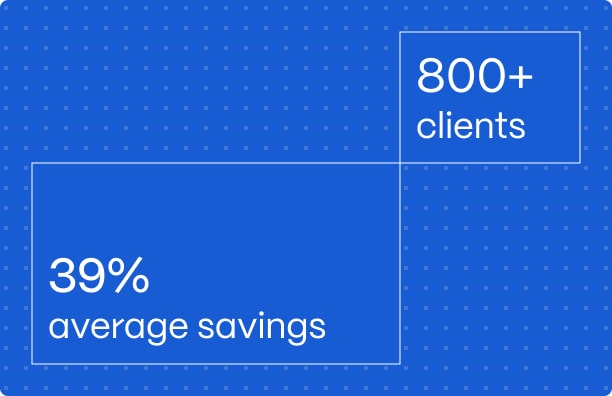
Our customers save up to 39% on software - you can too

We saved over $500k and got SaaS visibility
Global IT Manager

Spendbase has been a game-changer for us. Their platform helps tech companies like ours to slash SaaS and cloud bills by up to 35%
Chief of Stuff, BRIDGE IN

I had no idea you can get huge discounts for most SaaS subscriptions
CEO and Co-founder, Sellestial

They worked exactly like we do—efficiently and professionally. They completely offloaded the hard work from our shoulders
Operations Director, WithU

With Spendbase.co, we locked in 10–15% savings on several of our main SaaS tools. If SaaS spend is a major cost for you, they’re a strong partner.
VP of Operations at Seven Peaks
We saved over $500k and got SaaS visibility
Global IT Manager
Spendbase has been a game-changer for us. Their platform helps tech companies like ours to slash SaaS and cloud bills by up to 35%
Chief of Stuff, BRIDGE IN
I had no idea you can get huge discounts for most SaaS subscriptions
CEO and Co-founder, Sellestial
They worked exactly like we do—efficiently and professionally. They completely offloaded the hard work from our shoulders
Operations Director, WithU
With Spendbase.co, we locked in 10–15% savings on several of our main SaaS tools. If SaaS spend is a major cost for you, they’re a strong partner.
VP of Operations at Seven Peaks





Features & Benefits with Discount Lens
See what you get — for less
Detailed feature comparison table with tier benefits Text here for the second row
Centralized asset tracking and visibility
AssetCloud provides a single, cloud-based system to track all physical assets, including IT equipment, tools, and facilities. Users can see location, status, and ownership in real time, reducing confusion and manual spreadsheets while supporting accurate audits and lifecycle management across multiple departments and sites.

Discount impact
Organizations gain full visibility into their asset estate, reduce asset loss and duplication, and improve audit readiness. This directly lowers operational waste, strengthens compliance, and supports more confident budgeting and procurement decisions.
Barcode and RFID-enabled inventory control
The platform supports barcode and, in higher tiers, RFID scanning for swift asset check-in, check-out, and cycle counts. This minimizes manual data entry and tracking errors, allowing teams to conduct inventory activities faster and with far greater accuracy, even across large, distributed environments.
Discount impact
Automated scanning significantly reduces counting time and human error, freeing staff from tedious reconciliation work. As a result, asset data stays reliable, labor costs drop, and teams can redirect time toward higher-value operational and financial initiatives.
Configurable depreciation and asset lifecycle
AssetCloud includes financial tracking capabilities such as configurable depreciation methods, maintenance schedules, and end-of-life statuses. This enables finance and operations teams to align asset records with accounting policies, forecast replacements, and manage total cost of ownership over the full asset lifecycle.
Discount impact
By connecting operational asset data with financial rules, businesses gain more accurate books, cleaner audits, and better capital planning. This helps avoid surprise replacement costs and supports data-driven decisions around renewals and new investments.
Role-based access and audit controls
The system offers role-based permissions, user activity logs, and controlled workflows for key actions like asset edits, disposals, and transfers. These controls prevent unauthorized changes, improve data integrity, and simplify audit trails, which is especially valuable in regulated or compliance-driven environments.
Discount impact
Stronger governance around asset data reduces risk of fraud, misstatement, and non-compliance. Teams can quickly demonstrate who did what and when, shortening audit cycles and improving trust between operations, finance, and external reviewers.
Flexible deployments and integrations capability
AssetCloud is available in scalable paid tiers with advanced features such as multi-location management, API access, and integration options with existing business systems. This allows organizations to adapt the platform to complex environments and embed asset data into broader operational and financial workflows.
Discount impact
Flexible deployment and integration enable AssetCloud to grow with the business, avoiding re-platforming costs. Asset information flows into core systems, improving reporting, reducing duplicate data entry, and supporting more holistic, real-time decision-making.