






Spend management
Virtual Cards in UK: The 2025 Guide for Finance Leaders and Growing Teams

No wonder their adoption is soaring, especially among finance leaders, founders, and growth-focused teams who value smart and scalable solutions. This guide compares the top virtual card providers from a business perspective, looking at ease of setup, fees, and which tools help your team work smarter—not harder. You’ll see how providers like Pleo, Wise, and Revolut match up, and why solutions like Digital Banking Solutions with Spendbase matter for those who want unified spend management and exclusive discounts as they scale.
What Are Virtual Cards and How Do They Work?

Virtual cards in UK are quickly becoming a finance leader’s favorite tool for secure, flexible spending. Unlike traditional plastic cards, virtual cards exist only in digital form. This lets you issue cards instantly, manage budgets effortlessly, and enjoy peace of mind—all without the hassle of physical paperwork or long bank lines. It’s the evolution of spending, purpose-built for modern business teams who need control and agility.
What Is a Virtual Card?
A virtual card is a digital version of a payment card, generated for online or mobile purchases. You receive a unique card number, expiration date, and CVV, just like a physical card, but there’s no plastic involved. Some providers let you create a new card for each subscription, vendor, or project. This way, you don’t risk exposing your company’s main card details with every purchase.
Key features of virtual cards include:
- Unique card details for each transaction or vendor
- Fast, online issuance (minutes, not days)
- Full compatibility with most online payment systems
- Instant activation and cancellation
If you’re interested in how security stacks up against physical cards, read more in this in-depth comparison: Virtual vs Physical Cards Security.
How Do Virtual Cards Work in Practice?
When a team member needs to make a purchase—say, a new SaaS subscription—they request a virtual card from the finance team or via a spend management platform. The card is created in seconds and comes pre-set with budget limits, expiration dates, and approved merchant categories. Purchases can be tracked in real-time, making reconciliation and reporting much simpler.
Here’s a typical flow:
- You create a virtual card in the app or banking portal.
- Assign it to a specific use: a vendor, a department, or even a single payment.
- Set rules: maximum spend, merchant restrictions, time limits.
- Share the card details with the team member needing to make the purchase.
- Monitor or revoke the card instantly if needed.
This process helps prevent overspending and keeps your company’s spending data organized and searchable. For finance professionals, it means fewer headaches and less risk—there’s no more chasing receipts or dealing with card-sharing mishaps. Curious why a virtual card might sometimes not work as expected? Here’s how to handle it: Troubleshooting Virtual Card Issues.
Why Do Finance Teams Rely on Virtual Cards?
Virtual cards are popular in the UK for several practical reasons:
- Enhanced security: With unique card numbers for each purchase, you minimize the risk of fraud or card data leakage. Stolen virtual card details are useless once canceled.
- Streamlined expense control: Cards can be set up for specific vendors, categories, or projects, which makes tracking—especially for cloud services or SaaS subscriptions—far easier.
- Quick issue and cancellation: No need to wait days for bank approval or plastic delivery. When a project ends or a subscription is canceled, the virtual card can be deactivated instantly.
- Improved compliance: Spending data is always up to date and ready for audits, which is critical in a business environment where transparency is key.
You can learn more about how virtual cards work behind the scenes and how they’re simplifying payments on platforms like Mastercard’s Virtual Cards 101.
The Role of Virtual Cards in Modern UK Businesses
For UK companies—especially scaling teams and finance leaders—virtual cards act as a multi-tool in spend management. They offer a blend of flexibility, security, and detailed oversight that physical cards simply can’t match. As more payment providers and platforms like Spendbase introduce digital-first solutions, the barriers to adopting virtual cards in UK are lower than ever. In some cases, you can even join virtual cards waitlists to get early access to new features and tools.
Whether you’re aiming to protect your business against fraud, simplify reconciliation, or give your team safe purchasing power, adopting virtual cards is a forward-thinking move.
See how much you can save on your stack
Pick your team’s tools!
Click to select one or more tools.


What’s your company size?
Just click to select.
What’s your business email?
We'll send you calculations right away
The email is flying to your inbox!
Beyond discounts, you may qualify for up to $100K in AWS credits.

Virtual Cards in UK: Market Overview and Regulatory Landscape
Virtual cards in UK have moved far beyond experimental finance tools—they’re essential to how businesses manage spending, cut fraud, and keep budgets under control. Adoption is climbing fast not just in London, but throughout the whole country, with both startups and established companies using them to gain a sharper financial edge. As the market grows, it’s set against a backdrop of evolving rules and watchdog oversight that shape how teams deploy these digital solutions for payments, procurement, and more.
 Photo by Kaboompics.com
Virtual Card Market Growth and Trends
The UK’s virtual cards market is set to hit new highs, with a sharp rise forecasted for 2025 and beyond. Businesses want more flexible payments and better control over expenses, especially with remote work and SaaS spending climbing every quarter.
Here’s what’s fueling growth:
- Large enterprises and SMEs are embracing digital-first finance tools for agility and transparency.
- Rising fraud threats are making companies swap physical cards for safer, instantly generated virtual options.
- Accounting and compliance demands have tightened, favoring real-time tracking features baked into top platforms.
According to this Virtual Cards Market Report 2025, the sector is seeing double-digit growth, and the most active adopters are companies in tech, ecommerce, and professional services. Several providers cater to UK finance teams, like Pleo and Wise, but demand is growing for solutions that blend cards, banking, and spend management in one.
See the detailed breakdown on the UK Virtual Cards Market Size & Share Analysis for key figures and forecasts shaping the next five years.
Evolving Regulatory Rules for Virtual Cards in UK
The UK government’s focus on payment security and transparency is clear. Finance teams need to pay attention to changes in anti-fraud controls, card-issuing regulations, and data handling.
Key updates in the regulatory arena:
- Stricter KYC (Know Your Customer) rules require virtual card platforms to verify business identities and track suspicious activity more closely.
- Strong Customer Authentication (SCA) became law under the revised Payment Services Directive (PSD2), directly affecting how cards are issued and used.
- Continuous updates to compliance policies force providers to adapt their platforms for data security and consumer protection.
According to legal experts, payment regulations will remain in flux as new tech and payment models emerge. Check out the latest Payment regulation outlook for the UK in 2025 for updates on emerging laws, and UK Cards and Payments Report 2025-2029 for deep dives into structural changes impacting cards and payments.
For companies choosing their next provider, platform compliance with these standards is now a must—any shortcuts open teams up to penalties and unnecessary risk.
What This Means for Finance Teams
Staying on top of both market growth and shifting regulations is now a core part of the finance leader’s job. Smart teams look for providers that:
- Issue virtual cards with robust spend controls and live tracking
- Make compliance easy, with built-in policy updates
- Offer automated KYC and SCA processes, reducing admin load
Solutions like Spendbase go beyond just cards—they bring together spend controls, supplier discounts, and AI-powered financial tools in one place. This gives finance pros a real edge as they scale operations in a fast-moving regulatory climate.
Understanding where the market is going—and knowing the rules of the game—helps every UK business use virtual cards with greater confidence and impact.
Comparing Leading Virtual Card Providers in the UK
Finding the right virtual card provider in the UK can shape how your team controls spending, manages risk, and scales financial operations. With plenty of options fighting for attention—each with unique features, fees, and integrations—it pays to get a clear picture of what’s available. Here’s a practical snapshot of ten top providers, focused on what matters for growing businesses and finance professionals.
AstroPay: Flexible Payments for International Commerce
AstroPay stands out as a bridge between UK businesses and international payments. Its core use cases focus on:
- Online purchases across international platforms
- Quick access to alternative payment methods
- Instant issuance of virtual debit cards for secure, fast transactions
AstroPay’s virtual cards are simple to get started with—clients can top up their account, generate a card in minutes, and use it immediately. The cost structure is friendly for light and medium business use, with minimal upfront fees. However, there can be variable charges on certain top-up methods, and users should check for currency conversion fees when operating outside GBP. While AstroPay works well for businesses needing global reach, its platform is somewhat limited in advanced spend controls or deep integrations with accounting tools.
Neteller: Fast, Prepaid Virtual Cards for UK Teams

Neteller is well known for its digital wallet, but its virtual debit card makes online business payments smooth and secure.
- Key features: Instantly issued cards, customizable limits, and Mastercard acceptance.
- Business benefits: Quick setup for new employees, easy expense tracking, and international uses.
Pros include reliable acceptance and the ability to manage cards for multiple users inside one portal. But netting out the downside, Neteller’s platform is more consumer-focused—it lacks complex approval workflows or deep team spend analysis. Fees include a small card issuance charge and variable load or withdrawal fees, which can add up for large teams using cards at scale.
Curve: Unifying Cards for Smarter Spend Management

Curve’s main selling point is its aggregation approach. You can combine multiple business cards (debit, credit, virtual) into one smart app, simplifying daily management.
- Features: Route purchases through different underlying cards, optimize for rewards or cash flow, and use a single virtual card for multiple accounts.
- Advantages: Streamlined expense reporting, simple card controls, and easy team card assignment.
Curve is ideal for finance leaders juggling several card programs. While the business account onboarding is straightforward, businesses should watch for FX markups and some limits on free plans. Their flexibility for spend control makes Curve attractive for teams exploring advanced SaaS spend management—see this SaaS spend optimization guide for related strategies.
Pleo: Spend Control and Budgeting That Scales

Pleo has become a go-to for finance professionals seeking clear, auditable spending.
- Key benefits: Real-time spend tracking, automated receipt capture, and pre-set spending limits for every team member.
- Ease of use: Fast onboarding and bulk card issuance; works well for distributed teams and fast-growing companies.
Pleo’s virtual cards give finance leaders granular control and instant visibility. You can pause or cap cards, assign them to projects, and sync transaction data with accounting systems. There is a monthly per-user fee, but this is offset by savings in admin time and compliance headaches, especially for teams managing high volumes of SaaS and supplier payments.
Wallester: API-Driven Card Issuing for Tech-Savvy Firms

Wallester is tailored for businesses that need custom card issuing. Their API connects platform features directly to in-house systems, which is especially useful for fintech, SaaS, or expense management providers.
- Features: On-demand creation of unlimited cards, spend analytics, and automation.
- Best for: Startups with technical resources or businesses needing white-label solutions.
Wallester’s virtual cards can be branded and integrated with existing workflows. Pricing depends on usage and features; the more you automate, the better the value for scaling tech-focused teams. Onboarding requires some technical setup, but the payoff is sharper spend visibility.
Monese: Business Banking Meets International Payments

Monese is designed for businesses that want simple banking paired with virtual card support.
- Features: Multi-currency accounts, instant virtual Mastercard creation, and simple expense controls.
- Strengths: Ideal for UK companies with international vendors or remote staff.
Monese’s easy setup speeds up access compared to traditional banks. Virtual cards work for online and mobile purchases, while their focus on international payments helps businesses handle cross-border spending cleanly. There are small monthly fees, but they’re competitive given the banking features wrapped into the card offer.
Skrill: Virtual Cards for Digital-First Businesses

Skrill brings its payment roots to virtual cards aimed at online and digital businesses.
- Card functions: Instant virtual card issue, support for GBP and EUR, wide online merchant acceptance.
- Pros: Simple, quick setup and tight integration with their e-wallet.
Limitations include withdrawal and usage fees that can impact frequent users, and less sophistication for high-volume teams wanting advanced controls or reporting. For startups handling digital purchases or paying global freelancers, the basic offering is affordable and effective.
Wise: Cross-Border Power and Spend Control

Wise (formerly TransferWise) is a leading choice for UK finance teams looking for the ultimate in international payments.
- Strengths: True multi-currency accounts, low and transparent FX rates, and easy creation of virtual cards.
- Ideal for: Businesses with regular cross-border vendor payments or distributed teams paying in local currencies.
Wise virtual cards are simple to create and can be managed straight from their web or mobile app. You get high limits, clear transaction histories, and can control cards by team or spend category. For tips on managing SaaS outgo, explore these steps to reduce SaaS expenses in tandem with global payment tools.
Monzo: Intuitive Virtual Cards and Tight Business Integration

Monzo’s reputation for slick mobile banking carries over to its business virtual cards. Key value points:
- Instant virtual card creation linked to business budget pots.
- Easy integration with expense management and accounting workflows.
- Control features: Set card rules, freeze/unfreeze, monitor usage in real time.
Monzo is popular among UK startups and SMEs. It’s fast to open an account, with a clear digital onboarding flow. For businesses looking for simple controls and clear spend visibility, Monzo delivers—though some reporting and analytics tools are reserved for paid plans.
Revolut: Advanced Controls, Multi-Currency, and Team Insights

Revolut has built its reputation on innovation. Their virtual cards come loaded with:
- Advanced spend controls, including daily/monthly limits and merchant category locks.
- Team features: Assign cards, control spending at the department or project level, and automate approvals.
- Global reach: Support for dozens of currencies, making it a smart pick for companies operating across borders.
Revolut’s platform is strong on reporting, making compliance and budgeting easier for finance teams. While onboarding is all digital and fast, the range of features can be overkill for smaller firms, but ideal for those ready to scale their finances globally.
Each of these providers brings something unique to virtual cards in UK, from instant onboarding to deep automation and control. Your team’s needs—speed, budget management, or global payments—will shape the right choice. For teams seeking even greater value, unified spend management platforms like Spendbase go a step further by combining card issuing with real-time controls, AI-driven insights, and exclusive vendor discounts as you grow.
Spendbase: Virtual Cards Plus AI-Powered Spend Management
Virtual cards in UK keep gaining ground, but most solutions only scratch the surface. Businesses want more than fast card issuance—they need actionable insights, real control, and savings that actually hit bottom lines. This is where Spendbase sets itself apart. By combining virtual cards with smart, AI-powered spend management, Spendbase has become a go-to platform for UK finance teams who want to do more with less.
Photo by PNW Production
Spendbase isn’t just another virtual card provider: it brings an entire toolkit designed to help teams spot waste, control expenses, and get vendor discounts—all in one place. Let’s look at why finance leaders across scaling companies see Spendbase as the next step beyond standard virtual cards.
Virtual Cards With Real Control
Spendbase offers the flexibility you expect—fast virtual card creation, smart card controls, and easy assignment to team members or projects. But the platform goes further, letting you:
- Set precise spending limits and tailor approvals to your policies.
- Create cards for every vendor, subscription, or department.
- Instantly suspend or cancel cards in seconds for total security.
Need multiple cards for your growing team or project rollouts? Spendbase allows flexible card creation and assignment, so there’s no need to compromise on control. Find details on how the platform handles this in the feature walkthrough: SpendBase Multiple Cards Feature.
AI-Powered Insights For Smarter Spending
The heart of Spendbase is its AI-powered analytics engine, built to make finance leaders smarter—not just busier. The system reviews every card transaction and uncovers:
- Unused or forgotten SaaS subscriptions draining budgets
- Duplicate software tools across teams
- Insights on vendor performance and pricing outliers
This real-time intel doesn’t just save money; it gives finance teams the knowledge they need to drive efficiency and keep spending in line with company strategy. AI suggestions pop up directly in your Spendbase dashboard, making it simple to act fast.
For an in-depth look at what to expect from top digital spend management features, take a look at key features for digital spend management software.
Unified Spend Management and Procurement
Managing virtual cards goes hand-in-hand with the bigger picture: making sure every pound works harder. Spendbase links cards with:
- Centralized subscription management
- A built-in vendor discount marketplace
- Automated procurement and billing tools
This platform approach gives teams peace of mind—no more toggling across multiple platforms or email threads. Everything from requests to approvals and payments sits in one place, so you’re always audit-ready.
Easy Onboarding and Transparent Pricing
Getting started with Spendbase is designed to be quick and painless. Finance leaders can set up virtual banking, issue cards, and invite their teams all from a single dashboard—no technical headaches.
- Transparent pricing makes it simple to forecast costs
- Flexible plans scale as your company grows
- See details on SpendBase Pricing Options to make budgeting even easier
Real Savings: Beyond Just Transactions
Spendbase is built to deliver more than convenience. Companies using the platform have reported saving up to 39% on software expenses, thanks to better oversight, smarter negotiations, and fewer unnecessary renewals.
Other platforms may stop at transaction management, but Spendbase drives real value with its mix of controls, AI smarts, and partnership discounts. That’s why finance pros looking for thorough virtual cards in UK increasingly skip piecemeal solutions and start with Spendbase.
If you’re comparing alternatives, you’ll find Spendbase stands alone by uniting spend control, vendor deals, and analytics, all designed for finance teams scaling up without losing sight of costs. For another perspective, check out their recent success and platform overview at SaaS Subscription Management Platform | Spendbase.
This is the kind of clarity and control finance leaders need as virtual cards in UK become a standard way to manage business spending.
Free virtual cards for non-EU residents
Open in 1 working day, issue 100 virtual cards, and get up to 1.25% cashback.
Get a free account
Key Considerations When Choosing Virtual Cards in UK
Choosing the right virtual cards in UK can fuel a company’s agility while locking down costs and securing every transaction. With so many providers promising fast digital card issuance and deep spend controls, it’s tempting to pick the first option you find. However, finance leaders who look deeper save headaches down the road. Let’s break down the key factors you and your team should weigh as you size up the market’s top choices.
 Photo by Joshua Woroniecki
Security and Compliance
Security isn’t negotiable when company money is at stake. The best virtual cards in UK bring advanced protection:
- Unique card details per vendor or transaction.
- Instant suspension or cancellation if you spot suspicious activity.
- Built-in anti-fraud systems and up-to-date encryption.
Check if your provider supports robust Know Your Customer (KYC) and Strong Customer Authentication (SCA) processes. UK payment regulations continue to evolve in 2025, and compliance is non-negotiable, especially for scaling businesses. Some solutions, like Spendbase, auto-update security protocols behind the scenes, keeping your team ahead of new requirements.
Ease of Onboarding and Account Set-Up
Getting started quickly makes a real difference—especially if you’re onboarding remote teams or spinning up new projects each week. Compare how fast each card provider:
- Approves your account and verifies your business.
- Issues the first virtual card—some do this in minutes, others need days.
- Offers a smooth, intuitive platform for ongoing administration.
You don’t want painful paperwork or slow approval cycles. Some providers require only light documentation, while others, especially banks, may ask for deep business credentials. Opt for solutions that reduce onboarding friction yet protect you with required due diligence.
Cost Structure: Fees, Limits, and Hidden Charges
Virtual cards might look similar on the surface, but pricing models can be wildly different. Before your team jumps in, map out all associated costs:
- Card issuance fees (some are free, others charge per card).
- Monthly account or user charges.
- FX/conversion fees, especially key for overseas transactions.
- ATM and withdrawal restrictions (if relevant).
Refer to overviews like Best Virtual Debit Cards In The UK 2025 for up-to-date fee structures across leading providers. Out-of-sight costs can add up fast when you’re deploying lots of cards or handling multi-currency payments. The best solutions are transparent from the start.
Spend Controls and Team Management
Your business will outgrow the basics faster than you think. Leading virtual card services help you:
- Set card-level spend limits for each employee, department, or project.
- Restrict merchant categories to reduce risk and block unauthorized spending.
- Get instant notifications and real-time visibility on every transaction.
If you handle many SaaS subscriptions or vendor payments, deep controls become more than a nice-to-have—they’re essential for compliance and budget sanity. Spendbase, for instance, pairs spend rules with analytics and approval flows, so finance leaders can trust every purchase fits policy without slowing teams down. For tips on maximizing SaaS spending, you might explore this guide on SaaS spend optimization.
Integration With Accounting and Finance Tools
Manual reconciliation runs up costs and drains your team’s energy. Prioritize virtual card providers who:
- Sync transactions with cloud accounting platforms.
- Offer clean APIs or native integrations for workflow automation.
- Support real-time reporting and exportable expense data.
Business users often underestimate the hassle of copying data between systems. Modern solutions—including Spendbase and a few top banks—let you streamline workflows and keep your finance stack tidy.
International Payment Features
If you do business abroad or pay global teams, focus on cards with strong cross-border capabilities. The ideal providers:
- Let you issue and use cards in multiple currencies.
- Minimize FX fees and markups.
- Support a wide range of global payment networks.
Some business-focused digital banks like Wise specialize in multi-currency virtual cards and low FX rates, while others may add hidden costs that bite later. Always check up-to-date provider guides for global spenders.
Customer Support and Service Levels
When something doesn’t work, you need fast, reliable help. The top virtual card providers offer:
- UK-based support teams working during your business hours.
- Clear escalation paths for lost cards, fraud issues, or technical snags.
- Knowledge hubs and resources for finance admins and users.
Try the chat or helpline before you commit; prompt, helpful replies are a sign the provider actually cares about your business.
Scalability and Growth Potential
Finally, think ahead. Your chosen solution should support:
- Quick issuance of new cards as your team grows.
- Automated compliance as regulatory needs shift.
- Centralized dashboards and controls for multiple business units or regions.
Invest in virtual cards in UK that scale with you, not against you.
For a broader overview comparing leading providers by business use and features, see this guide to best virtual card providers for online purchases in the UK.
Balancing all these elements lets you build a solution that supports—rather than slows—modern finance teams. The best choice often goes beyond a single feature; it’s about meeting today’s needs while being ready for tomorrow’s growth and complexity. Spendbase, for example, tailors its unified spend controls and discount marketplace to help growing companies do more with every virtual card—right out of the gate.
The Future of Virtual Cards and Business Spend in the UK
Virtual cards in UK are fueling a new era of smarter business spending. More leaders are trading in plastic for instant-issue, digital-first solutions. Every month, UK teams are seeing not just more virtual payments—but tighter control, clearer spend data, sharper security, and lower admin drag. This trend is gaining speed, with the rapid rise of subscription software, remote work, and global business travel all raising the bar for expense management. Let’s break down where virtual cards are headed next, and what this means for finance leaders across the UK.
 Photo by MART PRODUCTION
Growth Drivers: Why Virtual Cards Are the New Standard
The future for virtual cards in UK looks strong, driven by three big forces:
- Remote and hybrid teams mean digital control is essential: Finance can’t hand out one card per desk—virtual cards scale for distributed teams, letting you issue, cap, and track spending wherever people work.
- Business spend is more complex and global: Companies pay for more software, vendors, and services than ever. Virtual cards sort this complexity with cards for every use, smart spend limits, and multi-currency options.
- Security needs keep rising: Unique card numbers for every payment slash fraud risk. Automatic expiry and instant deactivation add confidence, especially with fast-changing teams or projects.
Recent market analysis confirms the surge in demand, with enterprise buyers in tech, services, and ecommerce leading adoption. According to the Virtual Cards Market Report 2025, business users value instant control, broad merchant acceptance, and seamless digital onboarding as table stakes.
New Features Shaping the Future
The real power of virtual cards is in the new capabilities rolling out for businesses. Here are some advances you’ll see more of in the next year:
- Automated spend controls: Set strict rules for spend per team, category, or even per transaction. Pre-approve budgets, flag unusual patterns, and get real-time alerts.
- AI analytics and usage insights: Modern platforms deliver live reports on how cards are used—spotting wasted SaaS licenses, empty subscriptions, or overspending before it hits your budget.
- Integrated procurement and compliance: Merging virtual cards with your procurement flow makes approvals, audits, and renewals easier—everything linked to your spend policy in one system.
Platforms like Spendbase are setting the pace, combining all these features under one roof. Their virtual cards come powered by Mastercard, offer universal acceptance, and tie into a full spend management platform with instant reporting and AI-driven savings advice. This makes them stand out from standalone virtual card-only solutions.
Business Travel and Cross-Border Payments
With business travel rebounding, companies are rethinking how staff pay on the go. Virtual cards make booking flights, hotels, and meals far safer—no need to hand over a company card or risk card data being stolen abroad. Tools that issue cards instantly for each trip or employee remove old barriers. Platforms leading the shift in travel expense management are winning business by making this process smoother, while multi-currency options and real-time reporting keep reconciliation clean and simple.
The Regulatory Shift and Trusted Partnerships
Regulatory changes are making the virtual card sector in the UK even more secure. Stronger payment authentication, tighter anti-fraud oversight, and real-time tracking are all now expected. Providers have invested in compliance systems so finance teams gain not just good software, but peace of mind.
Partnerships also matter. Collaboration between fintechs and banks is helping platforms offer instant UK/EU bank transfers, 3DS layers for security, and universal Mastercard support. These partnerships are crucial as the UK’s payment rules keep tightening. For updates, the UK Cards and Payments Report 2025-2029 dives into how regulation and tech are shaping card payments for years ahead.
What the Next Wave Means for Your Finance Team
The biggest winners in this evolution are the finance professionals who use data, automation, and active controls to drive results. In the next wave of virtual cards in UK, expect to see:
- Real-time budget tracking and live alerts
- Automation removing manual reconciliation
- AI helping you benchmark prices and find better deals
- Seamless integrations so your cards, payments, and reports stay in sync
Finance leaders who embrace these new features will cut out wasted spend, make smarter decisions, and save hours every month. If you’re ready to find out what’s possible beyond basic cards, a unified solution like Spendbase is worth a closer look. You can start by exploring their SaaS management platform features for a practical example of how virtual cards slot right into broader spend management.
Virtual cards are only becoming more central to UK business spend strategies. With smarter controls and deep integrations, they’re reshaping the way top teams handle money—making every transaction safer, more transparent, and far easier to manage.

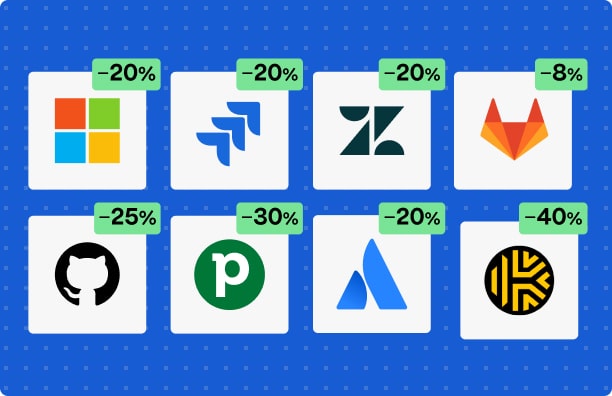
We can unlock discounts on 10,000+ tools you already use.
Conclusion
Virtual cards in UK are now the go-to for finance leaders who want speed, transparency, and stronger control over spend. The top 10 providers each bring something to the table—fast onboarding, ease of use, and international reach—making them a smart fit for different business needs and team setups.
But as spending gets more complex, the right platform needs to do more than issue cards. Spendbase stands out by unifying virtual cards with AI-powered analytics, vendor discount marketplaces, and streamlined approval flows, helping companies cut costs and work smarter as they grow.
For anyone looking to transform their company’s financial operations, now is the time to move beyond isolated tools. To see how a modern spend management platform can help you stay ahead, get inspired by real-world results in SpendBase Customer Stories or compare top spend solutions with this list of leading SaaS spend management software solutions.
Thanks for reading—your next step in smarter business spending starts here. If you’re building toward scale, take a closer look at virtual cards paired with true spend management. Which provider fits your growth plans best?


Get discounts on your team’s favorite apps
Find deals for 10%, 30%, or even 70% off in our discount marketplace.
Check Discounts