






Luxembourg Financial Tips
Luxembourg Is Expensive: How Companies Can Cut Costs and Stay Ahead with Spendbase

Luxembourg sets high expectations, but it also sets high costs, especially when it comes to keeping a business running smoothly. Expenses across software, cloud services, and operational tools can spiral, leaving finance and IT leaders scrambling for answers. Every euro counts, and missed savings quickly add up to real risk.
Companies often lose control over software spending, struggle with price transparency, and get hit by unused licenses hiding in the system. Redundant subscriptions, shadow IT, and chaotic procurement waste valuable time and money. The pressure is on to stretch budgets while still enabling teams and supporting growth.
The good news? Practical solutions exist. Spendbase gives Luxembourg businesses the power to take back control, trim excess spending, and put money back where it matters. By tracking every software subscription and optimizing vendor contracts, you can stay competitive and resilient, even in one of Europe’s pricier markets. Discover how smarter spend management can unlock savings and bring peace of mind—Easybiz discounts on Eazybiz budget are just the start.
The Price Pressure Facing Luxembourg Companies
Luxembourg’s prestige comes paired with a stubbornly high cost structure. Ambitious businesses stretching to compete on a European level must contend with soaring overheads: real estate, payroll, compliance, and digital transformation expenses all bite into profit. Spending can feel like a runaway train unless you seize the controls. Let’s break down why costs rise so sharply here and what savvy firms must watch out for.
Major Cost Drivers in Luxembourg
 Photo by Teja J
Luxembourg’s headline costs are some of the highest in Europe, affecting the core expenses every business faces:
- Rent: Office space is at a premium, with average rents in top areas reaching €145 per square meter monthly. Even more affordable locations remain expensive due to strong demand and limited supply, driving long-term overhead higher for everyone. Rising rental prices are a stress-test for growth, as documented in real estate market reports.
- Salaries: Competitive salaries are the norm, with high wage expectations across professional roles, especially in compliance, IT, and finance. For example, a compliance officer’s average salary is over €138,000, driving up the baseline for all skilled hires (Luxembourg compliance salary data).
- Compliance Costs: Strict regulations, including mandatory benefits and complex reporting standards, require dedicated resources, further raising payroll costs and administrative outlay. Annual perks like the 13th month’s salary add more weight (mandatory benefits in Luxembourg).
- Tech Investments: To keep up with modern competition, companies must modernize. This means investing steadily in new software, cybersecurity, and analytics. Even small digital upgrades stack up fast against an already steep baseline.
Add these factors together and it’s easy to see why monthly bills can feel like a mountain to climb.
Expense Traps for Modern Businesses
The digital shift brings its own costly pitfalls for Luxembourg firms. Some hidden cost centers often drain budgets without obvious results:
- SaaS Subscriptions: It’s easy to lose track of business software licenses. Unused or unnecessary apps stick around, quietly billing your account each month.
- Cloud Platforms: Without oversight, cloud spending can balloon as teams scale up resources “just in case.” Many companies fall into the cloud cost trap, paying much more to store and process data than planned.
- Admin Overhead: Managing expenses, chasing invoices, and processing software requests waste hundreds of hours every year—time that should go to growing the business.
- Procurement Inefficiencies: Without clear digital workflows, teams often duplicate purchases, miss out on discounts, or let shadow IT creep in, burying wasted euros throughout the organization.
Spotting these traps is step one. Trimming them out can mean the difference between standing strong and feeling squeezed.
The Real Risks of Ignoring Spending Control
Ignoring your cost structure is like letting a leak flow, hoping it won’t flood the basement. The risks are very real:
- Budget Waste: Small redundant charges pile up over time, and average companies can lose over $100,000 per year by failing to control SaaS, cloud, and wasted services.
- Admin Time Drain: Companies spend an average of 227 hours each year on manual admin that could be streamlined or automated.
- Lost Savings: Hidden spend means missed opportunities—those savings could power new hires, marketing pushes, or technology upgrades.
- Competitive Disadvantage: In a high-cost market, every euro matters. Companies that let costs spiral risk falling behind, unable to invest where it really counts.
This is why it’s essential to get serious about spend management. Tools like Spendbase provide the transparency, automation, and control needed to stop budget leaks and seize every available discount, whether through optimized procurement or by running a full SaaS spend analysis.
By tightening your grip on expenses, your business regains control, reduces waste, and places itself a step ahead in one of Europe’s most demanding markets.
See how much you can save on your stack
Pick your team’s tools!
Click to select one or more tools.


What’s your company size?
Just click to select.
What’s your business email?
We'll send you calculations right away
The email is flying to your inbox!
Beyond discounts, you may qualify for up to $100K in AWS credits.

How Unchecked SaaS and Software Spending Adds Up
Business spending in Luxembourg is challenging enough without invisible costs eating away at your margins. As your team signs up for new tools, platform licenses, and cloud systems, what looks like small, routine charges can quickly snowball into a major budget drain. Many organizations come to realize their actual software spend is much higher than expected—mainly due to little things that go unchecked for months.
The Creeping Cost of SaaS Subscriptions
 Photo by Markus Winkler
SaaS subscriptions can sneak up on your business like weeds in a garden. Left unmanaged, even modest apps, extra licenses, or cloud tools can multiply and quietly pile up. Here’s how these costs add up so easily:
- Duplicate apps: Teams often sign up for similar tools with overlapping features. For example, your marketing and sales groups might each use a different analytics app, both serving the same purpose.
- Dormant accounts: Staff turnover or shifting roles mean old logins and licenses sit unused, still quietly billing your account every month.
- Auto-renewals: Once subscriptions renew automatically, it’s easy to forget they exist—until you spot them buried deep in your transactions.
Many firms are surprised to discover how much slips through the cracks in even just one year. Detailed reporting like the kind found in Spendbase’s SaaS management tools can reveal thousands wasted on duplicate, overlapping, or inactive software. Research shows costs from unused or redundant subscriptions can reach significant sums, draining funds from more important initiatives (5 Hidden Costs of SaaS (and How to Prevent Them)).
How to Spot and Cut Unnecessary SaaS Spend
No one likes paying for things they don’t use. The good news: it takes just a few concrete steps to root out these invisible costs.
Start with these essentials:
- Audit usage regularly: Check which tools your staff actually uses. Look for apps with low login counts or features nobody remembers.
- Review renewals: Make a habit of checking renewal dates. Cancel subscriptions before they cycle through another year.
- Identify duplicates: List out all active subscriptions and compare their functions. Consolidate apps where possible—there’s rarely a reason to pay for two tools that do the same job.
- Centralize procurement: Give one team or decision-maker oversight of new app requests. This stops shadow IT and accidental double-purchases.
Spendbase brings these tasks into one place, allowing finance managers to audit, benchmark, and control every SaaS tool with automation and custom workflows. Companies using Spendbase discover savings not just from obvious redundancies, but also by cutting out unnoticed, unused, or overpriced apps.
Process improvement pays off quickly and frees up working capital for high-impact projects. For more in-depth strategies, see this guide on 5 Ways to Eliminate Hidden SaaS Costs.
When your company puts SaaS spending under the microscope and embraces active management with tools like Spendbase, it stops letting small unchecked bills become big headaches. The bottom line gets healthier—and your teams keep using the tools they truly need.
Regain Control Over Cloud and IT Infrastructure Fees
If you run a business in Luxembourg, you know the sting of every line on your cloud and IT bill. With soaring local costs, losing track of cloud spending feels like pouring money down the drain. Many companies stay blind to extra fees, overlapping services, or quietly ballooning budgets until it’s too late. The right strategy changes everything—helping you not just cut the fat but also gain control, visibility, and confidence in every euro you spend. Here’s how you can put the brakes on cloud overspending and steer your business to safer financial ground.
Common Causes of Cloud Overspending
 Photo by Kaboompics.com
Plenty of Luxembourg-based companies see cloud costs soar for the same familiar reasons. Recognizing these pitfalls is the first step to fixing them. Here are the biggest causes behind runaway IT infrastructure fees:
- Lack of Real-Time Tracking: Many businesses still rely on outdated or manual methods for monitoring spend. By the time you spot a spike, the damage is done.
- Unexpected Fees and Overages: Cloud vendors love surprise charges. Whether from overuse, data transfer, or features you didn’t realize activated, these add up fast—especially in fast-moving or high-growth firms.
- No Centralized Control: Distributed teams and shadow IT mean every department spins up their own cloud tools. Without a central dashboard or clear oversight, duplicate services and inefficient setups multiply.
- Overprovisioning: Paying for more storage, compute, or bandwidth than you actually use is a silent budget killer. Companies often leave resources idle “just in case.”
- Complex Billing Models: Multiple pricing layers make it hard to predict costs accurately. In a high-cost environment like Luxembourg, even small misjudgments dent the bottom line.
Research shows more than 80% of organizations overspend on cloud simply because they lack strategy, transparency, and alignment in their usage patterns. Get a deeper look at how these issues bite into budgets in reports like Solving the 5 main issues draining cloud budgets.
Actionable Insights for Cloud Spending
The quickest way to break free from runaway cloud expenses? Know what you’re using, what you’re paying for, and what you could do without. Usage visibility is your superpower here—and regular spending reviews lock in the gains.
Take these steps for instant improvements:
- Implement Usage Dashboards: Show every cloud service, user, and department in real time. The more granular, the easier it is to catch overages and redundant tools.
- Review Bills Monthly: Don’t wait for quarterly or annual audits. Set time each month to flag unexpected line items and verify each charge.
- Audit Licenses and Resources: Remove or re-size anything that’s not essential. Cut inactive users, right-size servers, archive old data.
Dedicated tools like Spendbase empower your team with clear app-level insights. You can quickly see which services eat the biggest share, find unused or outdated resources, and make changes with a click. Explore a range of options in this guide to the best cloud expense management software, and get ready to choose the right fit for your company.
Smart Multi-Cloud Budgeting Tips
Juggling more than one cloud provider? Smart move—but it raises the stakes. Multi-cloud brings flexibility and saves you from vendor lock-in, but it can also multiply complexity and costs without strict controls.
To squeeze every euro for maximum value:
- Standardize Your Tracking: Use tools that pull in data from all providers to a single dashboard so you see the big picture at a glance.
- Automate Spend Policies: Set up alerts and automated approvals for spending over certain thresholds, customized by team or project.
- Benchmark Across Providers: Compare resource costs side-by-side and shift workloads to wherever you get the best price-performance.
- Centralize Procurement: Don’t let departments sign separate deals with cloud vendors. Bundle volume for discounts and give finance real oversight.
Practical strategies and toolkits give Luxembourg companies a clear path to controlling multi-cloud chaos and keeping budgets under control. See how advanced companies are doing it in guides on multi-cloud cost optimization strategies and make sure your team isn’t paying a premium for convenience.
Spendbase unifies all this data in one platform, puts every cost in context, and helps finance and IT leaders take charge. By streamlining procurement, automating reviews, and flagging costly surprises, Spendbase sets you up for success—even in Europe’s most expensive markets. Take charge, cut waste, and build a business that thrives no matter how high the baseline costs.
Stop Letting Procurement and Payment Chaos Drain Your Profits
Some of Luxembourg’s brightest companies are still falling victim to outdated procurement routines. It’s the classic trap: teams want to move fast, but every rushed purchase or paper-based approval stacks up hidden costs. When requests turn frantic and processes feel messy, profits start to slip away. The good news? Cutting procurement chaos is easier than you think, especially with a platform tailored for order in a high-cost market.
Hidden Costs in Inefficient Procurement
Procurement inefficiency is not just an inconvenience. It’s a silent thief, picking at your margins every single day. Delayed purchases slow down projects, while surprise expenses can hit out of nowhere—like seeing an extra line on your cloud bill or an unapproved subscription renewed yet again.
Here are a few ways a messy process chips away at profits:
- Delayed Approvals: If teams must hunt down signatures or wait for managers to green-light every buy, projects slow and opportunities vanish.
- Reactive Spending: When no one gets a heads-up before purchases, the cheapest or best-fit option is rarely chosen. This leads to premium pricing and missed discounts.
- Duplicate Purchases: With poor visibility, teams often buy the same tool twice, or worse, keep paying for a service they don’t need.
- Surprise Expenses: When software, SaaS, and cloud bills are scattered across lots of cards and invoices, tracking actual spend is nearly impossible. Nasty surprises at the end of the month are common.
It’s not uncommon to see hundreds—sometimes thousands—of euros wasted every month due to these blind spots. Companies have reported reclaiming up to $350,000 just by stopping procurement confusion at the source.
How Digital Workflows Improve Spend Discipline
 Photo by Antoni Shkraba Studio
Replacing slow manual routines with digital workflows is like trading a slow tricycle for a sports car. Suddenly, you see every step and move a lot faster. Digital procurement tools, like those built into Spendbase, offer instant approvals, rule-based workflow automation, and real-time budget tracking. This brings order to your spending, even in the most dynamic teams.
With automated procurement, you get:
- Instant Approvals: Requests get routed to the right person and are approved or flagged in seconds—no more email ping-pong or lost paperwork.
- Automated Workflows: Set up simple rules (like purchase limits or required departments) so your system handles repetitive decisions for you.
- Real-Time Budget Checks: See up-to-the-minute spend versus budget—before money leaves your account. No more surprise overruns at month-end.
Finance and IT leaders love the transparency. Teams appreciate the ability to buy what they need, when they need it, without endless red tape. Everyone wins.
Companies in Luxembourg deal with frequent, urgent purchasing—from new software trials to extra cloud storage. Digital spend control keeps things running smoothly and reduces mistakes, while also slashing wasted admin time.
Spendbase is designed for these realities. Combining real-time visibility, custom workflows, and smart approval chains, it becomes a natural fit for any business that wants to stop letting profit slip through the cracks. Put payment chaos behind you and refocus on what really matters: driving results in one of Europe’s most competitive—and expensive—markets.
Free virtual cards for non-EU residents
Open in 1 working day, issue 100 virtual cards, and get up to 1.25% cashback.
Get a free account
Modern Expense Tracking and Spend Management Tools Are a Must
High costs are part of business in Luxembourg. But letting expenses spiral is not a requirement. Companies that rely on old-school spreadsheets and email threads to track spending are setting themselves up for costly mistakes, lost savings, and hours of wasted effort. The new reality is clear: to keep margins strong, you need smart software that centralizes spending, delivers up-to-the-minute insights, and keeps every euro accountable.
Why Old Ways Fall Short: Demonstrate how spreadsheets and email-based reviews eat up time and make errors more likely.
 Photo by Kindel Media
If you’re still managing expenses with spreadsheets or passing invoices back and forth in endless email chains, you know the pain. Manual entry invites typos and missing data, approvals stall in cluttered inboxes, and each round of edits chips away at your time and patience. Even well-meaning staff can miss renewal dates, double up on purchases, or let old licenses linger.
Old habits might seem familiar, but they come with real costs:
- Higher risk of errors: Manual entry and tracking open the door for duplicate entries, missed charges, and approval slip-ups.
- Slow approvals: Waiting on email sign-offs means decisions drag. Work slows to a crawl, or worse, teams buy first and apologize later.
- Hidden spending: Disconnected records mean leaders lose sight of the big picture. Unused apps or cloud services keep billing—sometimes for months.
- Frustration and busywork: Staff spend valuable hours tracking down receipts, reconciling charges, and chasing updates.
When every minute and euro matters, this kind of chaos isn’t just a hassle—it’s a risk to your profits.
The Critical Benefits of Centralized Expense Control
Picture a single dashboard where every app, subscription, and purchase request is easy to find and understand. This is the promise of modern expense management software, and Luxembourg businesses can’t afford to miss out.
Centralized expense control:
- Provides full visibility: See all spending—across teams, software, and projects—in one place.
- Stops shadow IT: No more surprise charges or mystery apps. Every purchase gets logged, reviewed, and approved within clear rules.
- Speeds up decision-making: Managers get instant alerts and can approve requests in seconds. No more email tag or sluggish workflows.
- Ensures compliance and accountability: Automated policies mean spending stays in line with company rules, and every payment is tracked for easy audits.
- Unlocks powerful insights: Real-time analytics and usage trends highlight where you’re overspending, which apps are idle, and what can be cut.
Options like Spendbase lead the way, giving Luxembourg businesses both cost control and total transparency over SaaS, cloud, and operational expenses. The advantages only grow as your team scales. If you want to see which solutions stand out, check out this roundup of the Top SaaS Spend Management Software.
When evaluating new tools, prioritize features such as real-time dashboards, automated card issuing, flexible approval workflows, and robust reporting. These features make a difference not just in cost savings, but also in employee satisfaction. For a closer look at these features, explore the Key Features of Expense Management Software.
Modern software like Spendbase brings expense control out of the shadows and into the sunlight. With every transaction tracked, every approval chain automatic, and every license visible, businesses across Luxembourg can spend with confidence—even when the market says costs must go up.
Spendbase: Luxembourg’s Partner For Smarter Business Spend
Luxembourg might be expensive, but watching your business spend spiral out of control does not have to be part of the deal. Companies that want to keep every euro working for them are choosing smarter tools and tighter controls. Spendbase is helping local businesses flip the script—taking the stress out of SaaS, cloud, and procurement while putting savings and transparency front and center.
How Spendbase Makes Savings Happen
Spendbase gives Luxembourg-based companies the tools to control what matters most—how, when, and why they spend. Here’s how the platform turns cost chaos into clear, manageable savings:
- Virtual Cards for Ultimate Control: Issue virtual cards assigned to employees or teams with spending rules built in. No more surprise charges or scattered receipts. Every transaction is linked to a real need, with instant tracking down to the last cent.
- Deep-Dive Spend Audits: Regular software audits reveal inactive licenses, overlapping subscriptions, and underused cloud resources. By shining light on hidden waste, Spendbase helps finance and IT leads cut subscriptions that slip through the cracks—and keeps money from leaking away each month.
- Automated Procurement That Actually Works: Say goodbye to missed discounts and duplicate buys. Spendbase’s automated procurement system brings every request, approval, and payment into one streamlined workflow. Instantly approve requests in Slack, keep rules flexible, and monitor real-time spend so no one flies blind.
- Usage Insights and Live Dashboards: Track every app, every euro, across the entire SaaS stack. Know when licenses go unused, spot new patterns in spending, and make proactive decisions that drive real savings.
- Shadow IT Defense: Too many separate purchases let unapproved apps and tools creep in—draining budget and risking security. Spendbase’s unified view gives you the oversight needed to cut “shadow IT” and keep the software landscape clean.
By using these tools together, Luxembourg companies unlock savings, prevent costly mistakes, and let teams focus on growth, not admin headaches. For those seeking a head-to-head breakdown of SaaS spend management options, see the comprehensive guide on SaaS and spend management platforms for added insight.
Real Success Stories in Luxembourg
Spendbase isn’t just theory. Local businesses are seeing powerful, trackable results.
Teams using Spendbase report:
- Thousands Saved Every Month: Some companies are cutting over $2,000 in unnecessary monthly SaaS costs after a single spend audit. This cash goes straight back into growth—no more wasted on forgotten tools.
- Admin Work Slashed: The platform’s automation features help teams reclaim up to 227 hours of admin work per year. Instead of chasing invoices or managing outdated spreadsheets, staff spend time on high-priority projects.
- Faster Approvals, Happier Teams: Instant purchase approvals inside Slack mean requests don’t get lost or delayed. Teams love being able to get what they need without waiting days for finance to sign off.
- Price Benchmarking for Smarter Buying: By comparing vendor rates and optimizing deals, Spendbase clients gain bargaining power—securing better pricing and more flexible contracts.
One Luxembourg-based Head of Operations shared, “We’re saving $2,000 monthly and got our admin hours back. We didn’t realize how much time and budget we wasted until Spendbase put the numbers in front of us.”
Another IT leader raved about getting over $100K in cloud credits, freeing up funds to hire, innovate, and invest in growth rather than sinking money into unused licenses or cloud sprawl.
Seeing these results, more local businesses are following suit and reporting stronger bottom lines. Explore related case studies on successful SaaS portfolio management in Luxembourg to see additional proof points from the region.
Spendbase isn’t about theory; it is about actual savings, faster workflows, and empowered teams—all in one package designed for the realities of Luxembourg’s high-cost market.
Frequently Asked Questions About Reducing Business Spend in Luxembourg
Business costs in Luxembourg climb fast, and every leader wants clarity on what drives those bills up—and how to drive them back down. Below, find answers to the biggest questions around business spending, SaaS waste, cloud budgets, spend control, and how Spendbase makes smarter spending easy for local companies.
What Are the Main Causes of High Business Costs?
Rent, salaries, compliance, and digital tools all push costs up in Luxembourg. Real estate is expensive, skilled workers expect high pay, and strict regulations mean extra admin. Digital adoption also increases costs, with software and cloud services often priced above European averages. Even small companies feel the squeeze, as monthly overhead can balloon just to stay competitive.
How Do Companies Lose Money on Software and SaaS Subscriptions?
There are a few classic ways costs slip through the cracks:
- Paying for unused or duplicate licenses when teams forget to cancel or consolidate apps.
- Letting subscriptions auto-renew, charging you for tools no one uses anymore.
- Allowing different departments to buy similar software without oversight.
- Shadow IT—when employees use unapproved apps that get billed but don’t add value.
The end result? Hidden expenses stack up, eroding your budget and taking funds away from growth.
What Are the Fastest Ways to Reduce Cloud and SaaS Spending?
A few quick wins make a big difference:
- Audit what you’re using, cut out extra seats and remove idle accounts.
- Cancel auto-renewals on dormant subscriptions.
- Benchmark existing services against market rates and negotiate better deals.
- Centralize monitoring to avoid shadow IT and pirate purchases.
- Use a unified platform to see everything at a glance.
Spendbase wraps all these actions into one powerful solution. With real-time usage audits, price benchmarking, and spend tracking, you spot waste right away and trim costs fast.
Why Are Virtual Cards Important for Spend Control?
Virtual cards let you set clear spending limits and assign cards to teams or purchases. Each card is trackable and easy to manage, blocking unauthorized spending and reducing fraud. Inside Spendbase, virtual cards link each expense directly to the right budget and user, so nothing falls through the cracks. You get instant spend alerts, complete transparency, and no surprise fees at the end of the month.
How Does Spendbase Handle Procurement Approvals?
Spendbase makes approvals simple and fast:
- Purchase requests are routed automatically to the right manager.
- Instant approvals can happen inside Slack, keeping business moving.
- Flexible workflows let you set custom rules for who can buy, how much, and when.
- Every approval is logged and audit-ready, keeping the process smooth and future-proof.
Can Spendbase Help With Shadow IT and SaaS Sprawl?
Absolutely. Spendbase gives you a single dashboard with usage insights across every app. This means you always know which licenses are active, which ones are dormant, and where to cut costs. You stop paying for stray or unapproved software, keep your data secure, and banish SaaS sprawl for good.
Does Spendbase Work With Both Finance and IT Teams?
Yes. Spendbase is built from the ground up for partnership between finance and IT. Both teams can see app-level spend, join in audits, set policy, and approve purchases—all in one place. The platform breaks down silos, boosts transparency, and supercharges teamwork, so no part of your budget slips past unnoticed.
By addressing these common questions, Luxembourg companies can finally get ahead of runaway costs. Spendbase is your partner for putting every euro to work—no more waste, just strong, controlled spending and happy, productive teams.

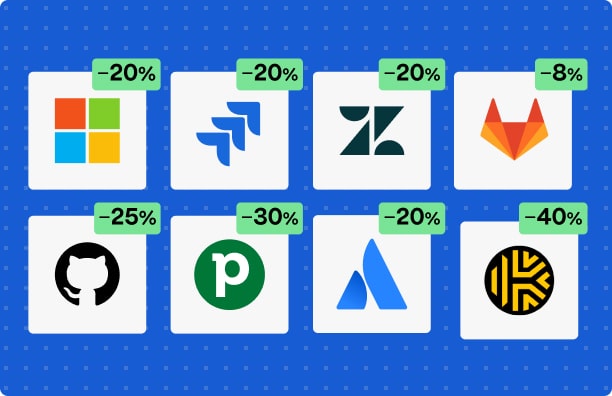
We can unlock discounts on 10,000+ tools you already use.
Conclusion
Waiting to fix wasteful spending in Luxembourg’s high-cost market only means steeper losses month after month. The sooner your company acts, the faster you’ll see real impact on your bottom line—through fewer unused licenses, lower cloud bills, and streamlined procurement. Relying on modern spend management isn’t just about trimming expenses; it puts your team back in control and protects profits in every corner of your operation.
Spendbase is here to help Luxembourg businesses claim these benefits right away. Take the first step: book a free cost analysis or demo with Spendbase. See for yourself how quick wins in cost control transform your financial health. Get ahead of high local prices and let every euro work smarter.
Thank you for reading. If your team is done watching euros slip away, now’s the moment to make a change.


Get discounts on your team’s favorite apps
Find deals for 10%, 30%, or even 70% off in our discount marketplace.
Check Discounts