






Estonian Financial Tips
SpendBase vs Estonian Bank Accounts: The Smarter Startup Finance Choice [2025 Guide]

Starting a business in Estonia sounds simple, especially with their famous e-Residency and easy company setup. Yet, when it comes to opening an Estonian bank account, founders often hit a wall of paperwork, long wait times, and rules that seem to change every quarter. Even digital banking options, while better, can be tough for teams without a local presence or those who need more than just basic banking.
That’s where SpendBase flips the script for startups. Instead of juggling bank accounts, expense reports, and SaaS costs, you get full visibility into spending, simple digital cards for your team, and all your procurement and payments in one clean dashboard. Estonia-based companies unlock real savings—up to $350,000 on software spend and 60% off cloud bills—without the pain of traditional banks.
In this post, you’ll see how SpendBase stacks up against Estonian banking options and learn which one really helps your team move faster and save more. If you want less admin, tighter budgets, and tools that grow with your business, keep reading.
Startup Banking Basics in Estonia
Starting a company in Estonia puts you in the heart of Europe’s digital-first startup scene. With almost everything managed online, it’s no surprise the country is home to over 260 fintech startups, and nearly all financial transactions happen digitally. But once you peel back that surface, you’ll see founders often hit very real issues—especially when it comes to accessing, controlling, and scaling their company’s money flows.
What Startups Actually Need from Finance Tools
For startups, the basics aren’t as basic as they sound. It’s not just about storing money. Early-stage founders need their finance tools to fit the pace and style of modern teams, especially in Estonia’s remote-friendly environment. Here’s what most growing companies actually look for:
- Instant access to company funds: No one wants to wait days to send a payment, onboard a new tool, or pay a contractor. Startups expect real-time payments without paperwork.
- Clear visibility over spending: Who bought what? Which tools are adding value, and which are quietly draining cash? Finance leaders want dashboards, not spreadsheets.
- Minimal admin time: Teams can’t afford to lose hours approving invoices or wrangling expense reports. Automation is key.
- Controls for team and SaaS expenses: Fluid teams and remote work mean virtual cards and custom spend limits are essential—not a nice-to-have.
- Scalability as the company grows: Systems should flex as you hire or cut back. Adding a budget, pausing a card, or shifting approvals needs to be fast and simple.
Estonia’s digital culture supports these needs on paper. But in practice, traditional banks rarely keep up with the speed or flexibility modern startups demand. Platforms like SpendBase solve these problems by giving Estonia-based firms real-time spend data, quick provisioning of virtual cards, and rule-based controls right from one dashboard. This means less time lost to admin and more control when scaling up.
For a sense of how Estonia became a fintech magnet, see how the country’s cashless society and digital ID have shaped modern finance tools in this FinTech overview.
How Estonian Bank Accounts Typically Work for Startups
Estonia’s e-Residency was designed to make company setup smooth—even for founders living abroad. In theory, you can set up a business, file taxes, and manage compliance all online. When it works, it’s slick.
But opening a bank account, even in a digital country, often feels stuck in the past. Here’s what most startups face:
- Digital onboarding, but long wait times: You can start paperwork online, but final approval sometimes takes weeks, especially if you’re abroad or have a non-standard setup.
- Major banks but strict rules: Options like LHV, SEB, and Swedbank serve most founders, but every account needs compliance checks and proof of a strong “connection to Estonia.” New companies or remote teams can run into surprise rejections or repeated document requests.
- Multi-currency support, but with fees: Estonian banks let you handle euros and other currencies, but managing USD, GBP, or additional currencies often adds costs or delays.
- Variable remote access: Some founders finish everything online, while others are asked for an in-person visit—frustrating if your team works globally.
- Red tape and recurring admin: Compliance updates, source-of-funds checks, and requests for extra documentation aren’t rare, eating into founders’ time.
This creates pain for teams who want the agility of a modern business setup. Even with all the innovation in Estonia, traditional banks can hold your team back with delays and old-school rules.
If you want deeper details on banking processes, Estonia’s official business banking & payment solutions overview is a useful reality check.
By comparison, Estonia-based companies using SpendBase can cut admin by over 200 hours per year. Team leads set limits, process approvals straight from Slack, and stop surprise SaaS sprawl—all with real-time insights and fewer roadblocks. As the next sections will show, there’s an easier path for startups ready to cut time, costs, and complexity from money management.
See how much you can save on your stack
Pick your team’s tools!
Click to select one or more tools.


What’s your company size?
Just click to select.
What’s your business email?
We'll send you calculations right away
The email is flying to your inbox!
Beyond discounts, you may qualify for up to $100K in AWS credits.

The Real Startup Experience with Estonian Bank Accounts
For many startup teams, opening and managing an Estonian bank account starts with high hopes—online-first services, e-Residency perks, and the promise of easy cross-border business. But once you start the process, real-world frictions quickly surface. If you want to know what managing finances through a standard Estonian bank actually feels like, let’s break it down step by step.
Getting Set Up: Account Opening and Onboarding
Opening a business bank account in Estonia is rarely as seamless as the marketing suggests. Everything kicks off with digital forms—expect to spend time filling out company details, ownership lists, and business plans. You’ll upload a stack of documents such as identity proofs for each shareholder, a detailed description of your business model, and, sometimes, contracts with your first clients.
While Estonia’s e-Residency does let you handle a lot online, actually getting a bank account approved can feel slow. Here’s the typical flow most teams face:
- Online Application: Complete the forms and upload required paperwork.
- Identity Checks: For e-residents, this could mean using your digital ID or joining a video call for verification. If your structure isn’t straightforward, banks might ask for a face-to-face meeting, which sets you back in both time and cost.
- Compliance Review: Banks must check your “real connection” to Estonia, especially for remote teams or non-local founders. This often triggers requests for extra docs, from lease agreements to local utility bills.
- Approval Timeline: Approval can range from a few days (for simple, local setups) to multiple weeks if more information is requested or if you don’t have a direct presence in Estonia. Language barriers sometimes pop up, making email or phone support a challenge for non-Estonian speakers.
Some founders find the process straightforward, but others report confusion around what exactly is needed to prove legitimacy or pass compliance. For detailed requirements, see this official business banking and payment solutions guide.
Day-to-Day: Managing Company Money and Payments
Once you’re through onboarding, day-to-day banking brings a different set of realities. Most Estonian banks now have decent online platforms, but for a modern, remote team, friction points remain:
- Running Payments: Paying for software, salaries, contractors, and partners works—for the basics. But cross-border transfers outside the eurozone still attract extra fees and occasional delays.
- Software Payments and Subscriptions: If your team pays for dozens of SaaS tools, you’ll often track these in a spreadsheet. Banks rarely offer built-in tools to automatically map spending categories or flag unused subscriptions.
- Team Expenses and Cards: Getting cards for new hires isn’t instant. Physical cards need to be ordered and shipped, which can take over a week. Issuing extra cards is rarely self-service; approval usually goes through support channels or requires extra paperwork.
- App Integrations: API access is limited, and integration with finance software like Xero, QuickBooks, or expense tracking tools is not always seamless or automated.
- Multi-Currency Support: Most Estonian banks allow multi-currency accounts, but each extra currency comes with maintenance costs and FX fees. This isn’t ideal if you invoice or pay out in USD or GBP.
Typical fees you might encounter include:
- Monthly maintenance (especially for foreign-founded companies)
- Wire transfer fees (especially outside SEPA)
- Physical and virtual card issuance fees
- Currency conversion margins
For a personal look at what these hurdles feel like, Wise’s guide on opening an Estonian business account covers practical pain points.
 Photo by fauxels
Frustrations for Growing Teams
Growing startups quickly outgrow the basics offered by most Estonian business accounts. The cracks start to show when you try to scale financial controls or enforce spending discipline:
- Limited Card Sharing and Spend Controls: Teams constantly swap cards or passwords to manage SaaS renewals. Expense limits, card pausing, or transaction monitoring need admin approval or simply aren’t offered.
- Delays on New Cards: Onboarding a new hire? You could wait days for a card, putting projects on hold.
- Tracking Blind Spots: As your SaaS stack grows, keeping track of who pays for what gets murky. Manual expense reviews eat into time you could spend building products or closing deals.
- Security Risks: More SaaS tools means more potential for shadow IT or duplicate charges, but banks don’t flag these risks in real time.
- Lack of Automation: Monthly expense audits and reporting still involve downloading statements, reconciling transactions, and emailing reminders—plenty of room for human error.
For startups itching to move faster, every delay—whether it’s waiting on a card, chasing down receipts, or finding the cause of a random subscription charge—feels like wasted hours. This is exactly where SpendBase offers an easier path. Instead of more admin, you get instant virtual cards, automated controls, and real-time spending data that grows with your team, not against it.
By the time most company leaders realize how much admin time and hidden charges their banks add, they’re ready for a tool that puts them back in control. SpendBase makes that smooth, simple, and scalable from day one.
SpendBase: Built for Estonian Startups Ready to Scale
When Estonian startups hit growth mode, slow banking and scattered expense tracking become more than a hassle—they block progress. SpendBase was built specifically for teams that move fast, hire across borders, and need their finance stack to keep up. Here’s how SpendBase lets Estonian founders scale, save, and stay in control from day one.
Everything SpendBase Can Do for Modern Teams
SpendBase replaces old manual systems with a single platform to handle every angle of company spending. Modern Estonian teams get:
- Virtual cards for every employee: Create and assign instant-use cards in seconds. No delays or paperwork. Onboard remote hires, run SaaS subscriptions, or give your product lead a travel budget—on the spot.
- Track spend by app, team, or person: See who’s buying what, how much each app costs, and where the money is really going. No more guessing or sifting through bank statements to pinpoint unused seats.
- Custom rules and controls: Set spending limits, create approval workflows, and block certain vendors from the start. Rules flex with your workflow, so you can tune controls as the team grows.
- Automated procurement in Slack: Requests, reviews, and approvals happen where your team already works. Approve a new software or cloud expense with one click, without switching tools.
- Built-in savings: Cost optimization is automatic. Get notified when licenses go unused, benchmark SaaS pricing, and let real experts help you negotiate or spot discounts.
- 24/7 onboarding and support: Get started any time you want—nights, weekends, or between product demos. Local, human support is never more than a chat away.
SpendBase keeps your finance stack clear, fast, and fully transparent; every euro spent is visible, tracked, and can be adjusted in real-time. For a full breakdown, see their 2025 Estonian startup banking guide.
Why This Fixes Startup Finance Headaches
Let’s connect the dots. Startup teams run into classic pain points with traditional banking tools in Estonia: slow onboarding, clunky card controls, missed expenses, shadow IT, and limits on euro or international transfers.
SpendBase cuts through these problems:
- Fast onboarding: Skip the paperwork and interviews. Open accounts and issue virtual cards instantly to any new hire, wherever they are.
- No more card chaos: Stop sharing cards or juggling spreadsheets. Assign, pause, or update cards with a tap. Lost or compromised card? Kill it in one click.
- Simple expense tracking: Every transaction is tagged by app, team, or project. Know where every cent goes in seconds, not weeks.
- Prevents shadow IT: Get alerts for unexpected tools, duplicate apps, or rogue SaaS spend. Only approved tools and vendors are paid.
- Euro and cross-currency payments: Pay local or international partners as easily as sending a Slack message. SpendBase supports the currencies that modern founders need.
In short, SpendBase offers the structure and freedom that growing Estonian startups need. Teams stay agile without sacrificing oversight or security. The headaches of old-school admin and card chasing disappear almost overnight. Find out how local founders compare SpendBase to legacy accounts in this Wise alternatives for startups report.
Proof: Real Startup Results with SpendBase
Estonian startups have seen real, measurable results by switching to SpendBase. The dollars—and hours—saved aren’t just marketing fluff, they show up on balance sheets every month.
- Preply (Tallinn HQ) saved over $128,500 just on software by cutting waste and spotting duplicate spend with SpendBase.
- Lemon.io landed $100,000 in free cloud credits. Automated negotiation and optimization finds perks you’d otherwise miss.
- SalesAR saves $2,000 a month by ending unused SaaS subscriptions and setting smart limits for every team.
- Ein-des-ein CEO admits they “didn’t know such SaaS savings were possible” before switching.
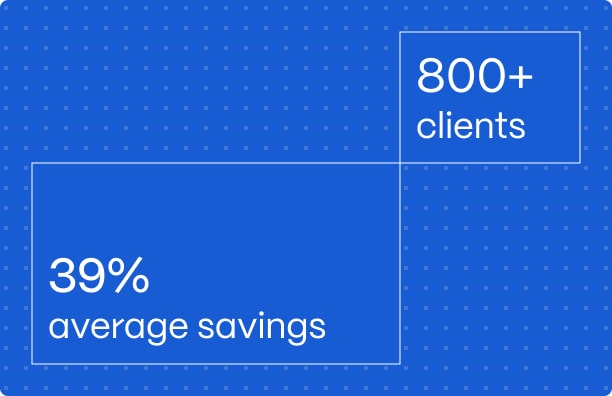
Add up just the hours saved: Estonian companies using SpendBase cut back over 227 hours of admin per year, ditching card requests, manual reconciliations, and messy procurement chains. Cloud savings reach up to 60%, and SaaS stack costs can drop by $100k–350k annually.
When SpendBase replaces old-style bank accounts and manual expense flows, startups get more than just digital cards—they unlock the kind of speed, clarity, and support most banks talk about, but rarely deliver. Local teams can see full results on SpendBase’s startup savings analytics page.
SpendBase vs Traditional Estonian Bank Accounts
Choosing between SpendBase and a traditional Estonian bank account can make or break a startup’s finance setup. While both options offer ways for founders to manage money, the user experience, spend control, and savings potential tell two completely different stories. Let’s break down how SpendBase compares side-by-side with conventional accounts when it comes to daily needs, team controls, integrations, and cost savings—giving Estonia-based teams real clarity on what drives growth and cuts waste.
What It Really Costs (and Saves)
Startups live and die by their cash flow. Let’s compare what you actually pay (and save) using SpendBase or a standard Estonian bank across key points: monthly fees, international payments, SaaS savings, and admin hours.
Monthly Fees & Hidden Costs
- Traditional Estonian banks often charge €5–€10 each month for maintenance, sometimes waived with a big balance. There are setup fees too, especially if you’re foreign or remote. Physical cards add on issuance and shipping costs. (Full bank fee breakdown)
- SpendBase operates with a clear, flat fee that covers instant card issue, spend tracking, and controls for the whole team. No hidden costs for features you actually need.
International Payment Fees
- Sending or receiving money outside the eurozone? Traditional banks tack on forex markups and wire transfer fees (often €10–€50 per transfer). Example: adding USD or GBP support means more paperwork and costs. (See common costs here)
- SpendBase virtual cards handle multi-currency by design. No nasty surprises for SaaS, contractors, or cross-border partners.
Potential Savings on SaaS & Cloud
- With banks, expect to pay full price (and sometimes even late fees for missed recurring payments). No SaaS spend insights = silent waste.
- SpendBase users see real, trackable savings. Some Estonia-based companies have cut SaaS waste by €100k–€350k per year and sliced up to 60% off cloud bills—all by spotting duplicate spend, missing perks, and unused licenses (proof in this 2025 guide).
- Automated software audits mean budgets go further.
Admin Hours Saved
- Old banks drag teams into paperwork, approvals, and manual expense matching—easily 150–200+ hours lost per year wrangling finance ops.
- SpendBase teams automate requests, get instant approvals, and track everything from one place, slashing admin hours and freeing founders to focus on growth.
What’s the total impact for a growing Estonian startup?
- SpendBase: Keeps finance lean, catches waste, reduces manual work, and helps you scale without adding admin headcount.
- Traditional banks: Work for simple cash storage, but stack up costs, delays, and blind spots as your team grows.
The practical choice for tech-first Estonian companies is clear. When your finance stack needs to be nimble, automated, and savings-driven, SpendBase gives you the control and clarity that banks just can’t.
Want detailed side-by-side pricing? This Estonian startup banking guide covers what founders can really expect—no sugarcoating.
Free virtual cards for non-EU residents
Open in 1 working day, issue 100 virtual cards, and get up to 1.25% cashback.
Get a free account
How to Choose the Right Finance Platform
Choosing the best financial setup is more than picking whatever’s simplest. The difference between SpendBase and a typical Estonian bank account comes down to your team’s shape, speed, and what headaches you’re willing to put up with. Startups in Estonia have more options than ever (get the full rundown here), but not every tool fits every founder’s needs. The right pick depends on where your company sits today—and where you want it headed.
Startup Profile Matters: Who Should Choose What?
The makeup of your team and your appetite for digital tools will steer you toward one solution or the other. Here’s how to break it down:
- Team Size
- Small, early teams can get away with the basics for a while. A single Estonian bank account keeps things simple.
- Larger or growing teams benefit more from platforms that let you hand out virtual cards, set limits, and control who pays for what. More people means more moving parts.
- Speed of Growth
- If your company is adding hires each month or opening projects in new markets, you’ll find standard banks can’t keep up. Every new card request, every extra approval step adds friction.
- Steady, slow-growing companies might manage with traditional accounts, but rapid growth calls for modern control.
- Love of Digital Tools
- Teams that run on SaaS, remote work, and digital workflows will hit roadblocks with old-school banking. SpendBase lets you approve, track, and audit every expense in the background—no reminders or spreadsheet-wrangling required.
- If you prefer the status quo or shy away from automation, sticking with classic banking could still work.
- Need for Granular Spend Data
- If knowing “who spent what, and why” matters, and your SaaS stack is bigger than five tools, you’ll crave real spend visibility.
- SpendBase offers this as a built-in feature. Traditional banks typically do not.
- Willingness to Move Beyond Only Traditional Banks
- Companies comfortable trying new fintech solutions or those who want to optimize spend as they scale are perfect candidates for a platform like SpendBase.
- If you must stick to what’s familiar, be ready to accept higher admin time and less actionable financial data.
Choosing a tool that matches your startup’s DNA is key to smooth growth. Estonia makes it easy to combine both types of tools if needed (see a guide to digital banking options), but most fast-moving teams realize the old way can only take you so far.
When SpendBase is the Smartest Move
For certain startups, moving to SpendBase isn’t just smart—it’s the obvious next step. If these sound like your team, consider switching sooner:
- You’re Scaling Fast
- Growing headcount and spend makes tracking expenses messy. SpendBase gives you instant control, so each new hire gets a card (with custom limits) without red tape.
- Remote or Hybrid Teams
- Teams spread across locations need easy ways to pay, reimburse, and control spend. Virtual cards, Slack approvals, and cloud-first controls cut wait times and confusion.
- Heavy SaaS and Software Use
- Companies with lots of subscriptions need to know what tools are in use, which ones are waste, and who owns each bill. SpendBase tracks it in real time and helps teams spot costly duplicates before money leaks out.
- Desire for Greater Control and Visibility
- It’s not just about putting out fires—it’s about stopping them before they start. Finance leads can set rules, require instant approvals, and compare what was planned versus what was actually spent.
- Reducing Admin Hassles
- Tired of chasing receipts, matching transactions, and managing endless spreadsheets? SpendBase’s automated workflows, built-in spend insights, and customizable controls help you claw back over 200 hours a year (backed up by user stories shared in their 2025 guide).
You don’t have to commit to one platform for life, but teams aiming to save time and money will outgrow the basics fast. With SpendBase, every euro is tracked, every approval is logged, and you’ll finally see where your budget is working—for the team, not against it.
For a comparison of practical startup finance setups and expert suggestions, you’ll find extra advice in this guide to funding options for Estonian startups. The right finance platform can save your team both time and money. SpendBase is built to keep modern Estonian startups in control, especially when you value clarity as much as cash.
FAQs for Estonian Startup Teams
Estonia has become a magnet for ambitious founders thanks to its digital setup and e-Residency program. Yet, as startup culture has evolved, so have the questions around finance tools like SpendBase. This FAQ section covers the nitty-gritty for founders weighing SpendBase against traditional Estonian banking, especially when control, speed, and transparency are top priorities.
What are the minimum requirements to open a SpendBase account in Estonia?
Getting started with SpendBase is refreshingly simple. Most Estonia-based companies can set up a SpendBase account if they’re registered businesses and can provide basic company details plus beneficiary information. Unlike many traditional banks, you won’t get stuck gathering rare documents or having to show deep local “connections.” Founders just need to prove company ownership and identity, in line with standard anti-money laundering (AML) checks. For foreign founders, SpendBase’s remote-first approach is a huge relief—no in-person trips to Tallinn needed.
How long does account approval take with SpendBase vs traditional banks?
Speed is where SpendBase shines. Startup teams can open and use an account within a couple of business days—sometimes even faster—if documents are ready. Most traditional Estonian banks, by comparison, have a longer vetting process and may require in-person meetings or video calls. These banks often take a week or more, depending on your company’s setup, international ties, and how “typical” your structure is. Many founders share the pain of waiting weeks during compliance reviews (source). SpendBase skips the line and keeps your team moving forward.
 Photo by RDNE Stock project
Can SpendBase handle payroll and vendor payments for Estonian companies?
Yes. SpendBase supports payroll and paying vendors, making it easy to send payments to both local employees and international contractors. You can issue virtual cards to staff, set automated spend rules, and pay bills from a single dashboard. This is a huge step up from banks that often require separate workflows or limit international payments. Whether it’s salaries, reimbursement, or supplier costs, SpendBase saves hours on monthly admin and keeps all payment records neatly tracked.
Is SpendBase compliant with Estonian tax and reporting laws?
Absolutely. SpendBase was designed knowing how important compliance is for Estonian startups. All transactions are recorded with transparent audit trails, which makes it easy to provide your accountant with the needed data at tax time. SpendBase aligns with Estonia’s digital-first tax rules, helping early-stage companies avoid mistakes that could lead to fines (learn about Estonia’s e-Residency tax basics). Financial oversight and documentation stay built in, so you don’t have to piece together records at the last minute.
How easy is it to issue cards for remote employees?
It’s as easy as inviting them via email. SpendBase allows startups to create virtual cards instantly for any team member, no matter where they are located. No more postal delays or waiting for physical cards to cross borders. Remote onboarding is immediate, so your team can access company funds and manage spending from day one. Need to pause or update a card? That’s just a click away—perfect for scaling teams or handling turnover.
What protections are in place for SpendBase accounts?
Security is baked in. SpendBase follows strict security standards, including strong encryption, two-factor authentication, and regular system audits. Every transaction and card can be tracked, limited, or instantly frozen if something looks suspicious. Role-based permissions let finance leads stay in control—only authorized staff can approve or execute spend. This is a big improvement over basic bank cards, where sharing details often exposes companies to risk.
Does SpendBase replace my company’s regular bank account?
For most daily spending, yes. SpendBase covers expense management, procurement, SaaS subscriptions, and team payments. Many startups still keep a traditional bank account for receiving investor funds or handling special cases (like cash deposits), but SpendBase becomes their main platform for spending and operations. Think of it as moving your “company wallet” into digital-first mode. You’re not forced to choose only one—many startups combine the two for full flexibility (see how Estonian companies combine finance tools).
Can SpendBase help negotiate better rates with SaaS vendors?
Definitely. One of SpendBase’s standout features is price benchmarking and vendor negotiation support. The platform tracks what similar companies pay for SaaS tools and cloud services, so you get real-world price comparisons. SpendBase’s experts can help you approach vendors for discounts or perks you might otherwise miss. The result? Real savings that go straight back into your runway—Preply saved over $128,500 on software by tapping into these features.
Are SpendBase’s savings typical for most startups?
For Estonia-based teams running multiple SaaS subscriptions or cloud-heavy workflows, yes—these savings are within reach. Startups often report slashing up to 60% off cloud bills and saving €100,000 or more on annual software spend. This isn’t just luck; it comes from live usage insights, cutting unused licenses, and catching duplicate spend early. Even smaller teams see their budgets stretch further when SpendBase’s optimization is switched on. You can find more stories from Estonian startups in these startup FAQ resources.
SpendBase isn’t a band-aid. It’s a real fix that gives fast-moving teams the control and savings most banks simply aren’t built to deliver. For Estonian founders, switching to a tool like SpendBase isn’t just the next step—it’s the smarter one for scaling with less stress.

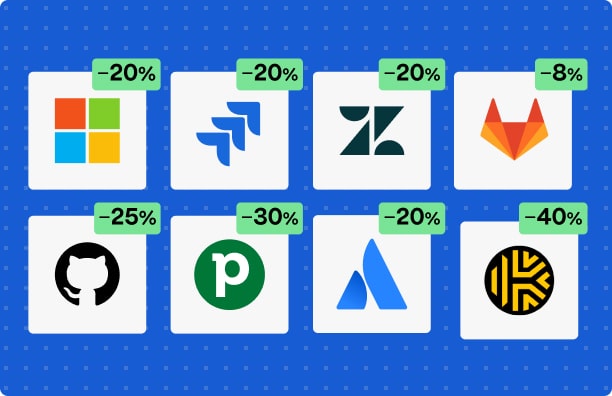
We can unlock discounts on 10,000+ tools you already use.
Conclusion
SpendBase gives Estonian startups a fresh way to cut costs, automate payments, and keep a close eye on every euro. While traditional bank accounts still work for simple needs or early-stage businesses, teams hungry for real spend control, faster approvals, and detailed SaaS insights will quickly outgrow old-school banking. SpendBase plugs those gaps—making it easy to hand out virtual cards, manage subscriptions, and save money as you grow.
Companies in Estonia already report saving 200+ hours of admin and up to €350,000 a year by switching. If you’re ready to spend less time chasing receipts and more time building your business, try a free SpendBase demo or check how much you could save. See the benefits for yourself and help your team stay focused on growth, not paperwork.


Get discounts on your team’s favorite apps
Find deals for 10%, 30%, or even 70% off in our discount marketplace.
Check Discounts