




Cost optimization
How to Overcome Card Taxes in Slovakia: Smart Strategies for Business Owners

If you’re managing scaling business expenses or high transaction volumes, optimizing your card use is now essential. Forward-thinking companies are already switching to smarter solutions like virtual business cards and integrated spend management to get ahead of these new costs. Tools such as Spendbase’s digital banking and virtual cards make it possible to trim tax impact, gain real spend visibility, and access perks like SaaS discounts and vendor negotiation support. Looking beyond traditional cards is no longer optional—it’s the smarter move for any business wanting to save money and stay in control.
Understanding Slovakia’s New Business Card Taxes
Slovakia’s new taxes (read more about the financial transaction tax) on business card transactions are rewriting the rules on corporate expenses. Business and finance leaders must now pay close attention to how these regulatory changes affect daily transactions, overall budgets, and strategic planning. Grasping the legislative background and its everyday consequences is the first step to overcome card taxes in Slovakia—and keep your company’s finances on solid ground.
Summary of Recent Legislation: Legal Framework, Tax Rates, and Which Cards Are in Scope
 Photo by Daniel Reche
The Slovak government recently introduced new rules on business card payments, designed to increase state revenues and fall in line with certain EU transparency goals. Starting in 2025, Slovak businesses will see a direct financial impact on each outgoing card payment.
Key points from the latest Slovak tax regime:
- 0.40% tax on outgoing payments, capped at EUR 40 per transaction
- 0.80% tax on all cash withdrawals, with no cap
- Applies to traditional physical business payment cards, debit cards, and credit cards
These taxes directly affect corporate cards issued for business use—while some personal and niche financial products may be excluded. In practice, if you’re running high transaction volumes or large payments, these caps and percentages add up fast.
For a deeper summary of the measures, check the New Financial Transaction Tax changes in Slovakia and transaction tax rules.
EU Context:
- These changes fit within broader EU efforts around corporate taxation and transparency. EU guidance stresses clear separation between personal and business expenses, tighter spending controls, and consistent tax rules. See the overview on EU business card regulations.
- Note that standard corporate tax rates and VAT rules remain separate (EU corporate tax rules), but these new Slovak transaction taxes add a fresh layer of cost for any business operating cards in the country.
Immediate Impact on Slovak Businesses
For most companies, the new taxes aren’t just a minor change—they put real pressure on cash flow, accounting, and operations. Let’s break down how this plays out for Slovak SMEs and scaling businesses.
1. Increased Payment Processing Costs
- Every outgoing payment by business card now includes up to 0.4% in tax, with frequent or high-value transactions quickly eating into profit margins.
- Cash withdrawals are hit even harder, with no cap on the 0.8% rate.
2. Rising Accounting Complexity
- Tracking, reconciling, and categorizing transaction taxes requires deeper accounting effort. Small businesses, in particular, may find monthly bookkeeping and tax reporting more labor-intensive.
- Finance teams need to add new line items in their charts of accounts for these taxes.
3. Budgeting Challenges
- Predicting the true end-to-end cost of payments gets harder. Without careful forecasting, companies find themselves with less working capital than expected.
4. Expense Reconciliation Headaches
- With every card payment attracting new fees, daily expense reconciliation for finance and accounting teams gets trickier. This is especially true for growing businesses with high subscription spend or multiple team cards.
5. Compliance Risks
- Misreporting these taxes or failing to distinguish eligible transactions increases compliance headaches and the risk of audits or fines.
Practical Example for SMBs: A SaaS business making frequent supplier payments and employee reimbursements by card will feel a budget squeeze. Suppose your company sends out €20,000/month in card payments. That’s €80 in tax alone—every single month, just from basic spending.
Practical Example for Scaling Companies: Imagine a fast-growing IT firm handling payroll advances or vendor payouts via corporate cards. High transaction volume means monthly taxes can run into the hundreds—money better spent on growth.
How to Overcome Card Taxes in Slovakia: Many forward-thinking businesses are making the switch to digital payment methods that minimize tax impact. Using modern spend management platforms and virtual business cards not only sidesteps certain processing fees but streamlines compliance and reconciliations. Spendbase’s virtual cards and digital banking act as a powerful shield, helping you sidestep excessive card-based taxes, centralize expense control, and unlock SaaS discounts and spend optimization.
If you want clear spend tracking, less tax drag, and smoother reporting, it’s time to digitize your payment stack and leave old-school card risks behind.
For organizations seeking a solution that scales and keeps costs transparent, learning how to overcome card taxes in Slovakia is more than regulatory know-how—it’s a bottom-line boost.
See how much you can save on your stack
Pick your team’s tools!
Click to select one or more tools.


What’s your company size?
Just click to select.
What’s your business email?
We'll send you calculations right away
The email is flying to your inbox!
Beyond discounts, you may qualify for up to $100K in AWS credits.

Challenges Facing Finance Teams and Decision Makers
Slovakia’s new business card taxes aren’t just a matter of paying more at the register—they introduce new headaches that hit finance teams, company leadership, and anyone trying to scale efficiently. Leaders and finance pros often feel like they’re being tasked with solving a puzzle that keeps changing. Many discover unexpected costs and workflow stalls, while accuracy and accountability get harder to manage. Getting ahead of these pain points is key when learning how to overcome card taxes in Slovakia.
Operational Inefficiencies and Hidden Costs
 Photo by Yan Krukau
Operational headaches stack up fast when card taxes layer on top of Slovakia’s already busy finance schedules. The main areas where costs and complications show up include:
- Approval Slowdowns: Each card payment needs an extra layer of review. Transactions that once zipped through now get stuck in approval queues as teams sort out whether the tax applies, how much to budget, and who signs off.
- Escalating Administrative Work: More paperwork, more line items to track, and more staff time spent reconciling taxes means less time spent on strategy. When admin tasks spike, it gets harder for teams to focus on results, not just routine.
- Elusive Audit Trails: Paper-based processes and manual tracking often leave missing links. With taxes on every transaction, finance teams juggle more documentation and risk creating gaps in the audit trail—a nightmare if you ever face scrutiny.
- Surprise Fees & Sunk Costs: Monthly reconciliations turn up hidden costs. Even seasoned CFOs sometimes miss tax-driven escalations until budgets run tight. Both psychological and real financial impacts follow, as described in Financial Budgets and Escalation Effects.
- Compliance Pressures: As regulatory requirements expand, so does the need for accurate reporting. Administrative burden grows with each change, as highlighted in the Administrative Burden Mechanism.
Modern spend management tools, such as Spendbase Procurement automation, tackle these inefficiencies head-on, reducing friction points and freeing your team from paperwork traps.
Compromise of Spend Visibility and Control
When new card taxes hit, visibility takes a direct hit. Payments are now harder to track in real-time, making it tough to tell where money is going or how much tax you’re due to pay. This creates stress for both leadership and operational teams.
Here’s how taxes quickly erode control and data quality:
- Real-Time Spend Tracking Takes a Hit: Extra fees obscure true expenses. Finance leaders lose their ability to see comprehensive, real-time data, making quick, informed decisions almost impossible, which sets up the business for reaction, not anticipation. Users on forums highlight the challenge of keeping track as seen in detailed tracking expenses and spending.
- Invoice Accuracy Drops: New tax lines raise error risks. If your current system isn’t set up for granular tax compliance, you’ll see mismatched invoices and a race to fix the books at month-end. Failing to get this right can have painful consequences for reporting and decision-making, as outlined in risks of inaccurate financial reporting.
- Weaker Data for Decision-Making: Without a clear picture of net spending (including taxes), leadership teams are stuck guessing. The ripple effect is slower strategic pivots, unplanned overages, and lost budget opportunities.
- More Mistakes, Higher Compliance Risk: Tax errors create compliance risks. Inaccuracies unlock costly audit triggers or regulatory scrutiny—stress no fast-growing business needs.
Switching to a platform like Spendbase’s virtual banking doesn’t just sidestep many of these tax headaches. It rewires your payment environment for live spend control, automated tracking, and reliable audit trails—all while keeping extra card fees at bay.
Finance teams that master how to overcome card taxes in Slovakia gain not only cost savings but a sharper, cleaner process all around. By solving for inefficiencies and regaining spend visibility, they set their organizations up for smarter scaling and less regulatory drama.
How to Overcome Card Taxes in Slovakia: Digital Solutions and Strategic Steps
When new card taxes shake up business budgets, looking beyond traditional payment methods can mean the difference between falling behind and staying ahead. The right digital tools help companies avoid unnecessary fees, maintain flexibility, control spending, and keep compliance simple—all without extra paperwork or missed savings. These strategies show how to overcome card taxes in Slovakia and thrive in a changing regulatory environment.
Switching to Virtual Business Cards: Boosting Flexibility, Avoiding Card Taxes
Virtual business cards are quickly becoming the smartest tool for savvy finance teams. Why? These digital cards can sidestep many of the new processing fees that hit physical cards, providing real savings at every transaction. With Slovakia’s tax changes, companies are finding that switching to virtual cards trims costs that used to go unnoticed.
 Photo by Kaboompics.com
Here’s how virtual cards help you overcome card taxes in Slovakia:
- Fee Reduction: Virtual cards are often issued through newer, tech-driven providers and may fall outside the scope of legacy card tax rules. Check with your provider, but many digital payment solutions, like those offered by Spendbase, are designed to help businesses avoid or minimize these taxes.
- Flexibility for Global Teams: Virtual cards let distributed teams pay for expenses in other countries with less friction. You generate cards instantly, assign limits, and never worry about physical shipping or cross-border paperwork.
- Security and Control: Grant specific team members or vendors limited cards for certain uses. If you spot risk, deactivate a card in seconds—no physical cancellation required. To better understand the security aspect, see this analysis on Virtual vs Physical Cards Security.
- Easy Tracking: No more sorting through piles of receipts or card statements. Each virtual card tracks spend per employee, project, or vendor for clean, audit-friendly reporting.
Forward-thinking businesses can sign up on the Virtual Cards Access Waitlist now to get started.
Automated Spend Management and Vendor Optimization
Automated spend tools redefine efficiency and give control back to finance teams. With every new tax, manual tracking and approval flows turn messy, fast. Automated solutions, like those from Spendbase, centralize your expenses, automate enforcement of company policy, and help capture every possible savings opportunity.
Key features that make a difference:
- Subscription/Payment Controls: No more surprise renewals or wasteful SaaS spending. Set card limits, expiration dates, or department-specific budgets to stop unwanted charges.
- Instant Reporting: Generate detailed expense data with one click. This makes it much simpler to report, reconcile, and forecast the full tax impact versus manual spreadsheets.
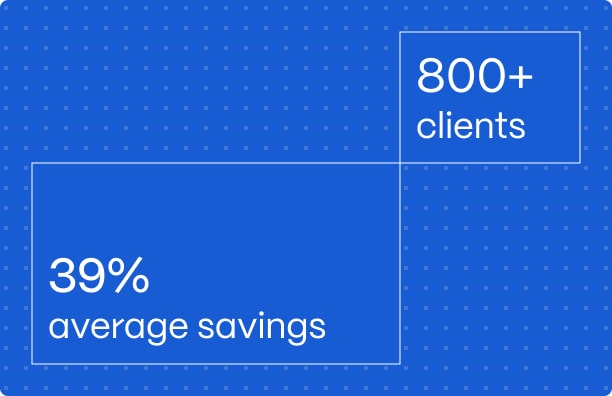
- Vendor Discounts and Contract Optimization: Some spend management platforms negotiate group discounts or recommend better vendor terms with volume-based savings. For example, Spendbase is known for helping clients cut SaaS spend by up to 39%.
- Automated Procurement: Streamline requests, purchases, and approvals. Reduce friction for high-value vendor transactions that draw tax charges.
Companies looking to level up their expense management and reduce tax burden should explore Spendbase’s digital banking and virtual cards or leverage their vendor contract support for deep savings.
Ensuring Compliance with Local and EU Regulations
Staying compliant doesn’t have to be a battle. Modern finance tools now automate most of the heavy lifting, so you spend less time stressing and more time scaling your business.
How digital platforms ease compliance headaches:
- Automatic Tax Reporting: New tax lines are tracked and reported in real-time. You reduce manual entry errors and keep records up-to-date for every card transaction. Insights from Taxation of Financial Transactions in Slovakia from 2025 reinforce how essential accurate automation is for compliance.
- Audit-Ready Documentation: Store invoices, receipts, and approvals digitally—making audits faster and less stressful.
- Automated Reconciliation: Link card spend back to suppliers and business units. Spendbase lets you sort by project, employee, or line-item—making month-end close and tax submission smooth.
- Built to Evolve: As local or EU finance laws shift, digital providers update workflows and reports automatically. You won’t be caught off guard by sudden changes.
Businesses in Slovakia now face a complex web of regulations. Picking a spend platform designed for these realities, like Spendbase, makes it far less likely you’ll trip into compliance issues.
By adopting virtual cards, automating spend, and simplifying compliance, companies can quickly learn how to overcome card taxes in Slovakia and move ahead in a crowded market. Every step in this direction tightens expense control, trims down wasted fees, and frees up time for mission-critical projects.

We can unlock discounts on 10,000+ tools you already use.
Conclusion
Slovakia’s new business card taxes demand rapid adaptation from every finance team. High transaction volumes now chip away at margins, making the old way of managing card payments less sustainable. Businesses that want to stay competitive will need smarter, more automated tools to regain efficiency, control, and clarity.
Making the switch to digital payment solutions is a practical step. Spendbase’s virtual business cards and digital banking replace outdated processes with automated tax reporting, robust spend controls, and cost-saving features like vendor negotiation and SaaS discounts. These tools not only help teams handle compliance but also free up time to focus on growing the business.
If your business is ready to take back control and overcome card taxes in Slovakia, consider how Spendbase can sharpen your expense management and drive profits. Explore their platform and discover solutions built for modern finance leaders. Your feedback shapes the future—share your experience and see how much smarter business payments can be.


Get discounts on your team’s favorite apps
Find deals for 10%, 30%, or even 70% off in our discount marketplace.
Check Discounts