





Estonian Financial Tips
6 Estonia E-Residency Benefits Every Finance Leader Should Know (2025 Update)

Compared to traditional registration in other EU countries, Estonia removes paperwork headaches and gives IT businesses direct access to the European market. With simple online processes and transparent costs, founders save time and money. This article breaks down at least six standout reasons why Estonia’s e-Residency outpaces the rest and why it’s the smart pick for digital-first teams.
If you want to dig deeper into tools that make the most of your e-residency, check out the Virtual Cards in Estonia: A Comprehensive Guide for SMB Finance Leaders for more on maximizing finance operations and SaaS spend.
6 Unbeatable Benefits of Estonia E-Residency for Modern Businesses
The Estonia e-residency benefits are not just about paperwork reduction. E-Residency pulls down barriers for modern founders, IT leaders, and finance heads. You log in, launch a company, bank online, sign documents, manage teams—and you don’t have to set foot in Tallinn. These six advantages show why running a digital-first business with Estonia’s e-Residency is a practical decision for global teams aiming to expand across borders.
Borderless Company Formation and Management
Estonia nailed the art of building a business remotely. You can register your EU company online, no embassy visits or flights needed. Whether you’re in Singapore or São Paulo, you fill out forms digitally, get verified, and your limited company is live—usually within a few days.
- Remote control: Keep 100% management power from anywhere. Open accounts, onboard partners, pay out invoices, and file annual reports straight from your laptop.
- Stay agile: Quickly adapt your business as you scale, without flying in for paperwork.
- No need for national directors: Non-residents can fully own and operate Estonian businesses.
This online-first setup is especially appealing for tech founders who want to pilot companies across markets without leaving home. If you’re looking into digital-first finance operations, Spendbase offers virtual card solutions specifically built for Estonia-based companies.
Streamlined Bureaucracy and Digital Services
Estonia makes bureaucracy look outdated. The e-Residency card acts as a digital passport to nearly every business service:
- Use your e-Residency ID card for secure logins to business portals, government services, and banks.
- Sign contracts digitally with legally binding electronic signatures, accepted across the EU.
- Handle banking online: Open multi-currency business bank accounts and run payroll and payments from anywhere.
- No lines or mountains of forms: Annual reports, VAT, payroll, and even board resolutions are filed online.
This digital government system means your admin work drops, freeing up two valuable resources: your time and mindspace. For those who want to dive deeper, Estonia’s state website offers more on how e-Residency digital services transform business routines.
Taxation and Financial Benefits Compared to Other EU Countries
Estonia’s tax code stands out for startups and founders who want growth without surprises. Here’s what makes the country’s offer special:
- Corporate tax on distributed profits only: The flat corporate income tax rate is 20%—but only when you pay out profits. There’s 0% tax on retained (reinvested) earnings, letting you fund growth without fast tax bills.
- Simple VAT: If annual sales exceed €40,000, your company must register for VAT (20%), which aligns with EU standards.
- No annual corporate tax if you don’t distribute: This is a huge benefit for SaaS, IT, and scaling companies reinvesting in operations.
- Lower payroll burden: Employer social tax is set at 33%, with no extra “business taxes.”
For comparison, many Western EU countries (like France, Germany, and Italy) tax all company profit, whether distributed or not—often at rates between 25-30%. Estonia also makes it easier for global founders to optimize cash flow and extend their runway. For a startup breakdown, see a full guide from Estonia’s e-Residency portal.
Access to the Entire EU Single Market
Running a business from the Estonian registry gives instant entry into the EU’s single market—no matter where you live.
- Trade freely with EU partners: Invoice and do business with any EU client or vendor, no borders or extra bureaucracy.
- Simple cross-border payments: Open EU IBANs, process SEPA transfers, and get paid like any EU-headquartered company.
- Leverage credibility: Many corporations and investors trust EU-registered companies for compliance reasons.
E-Residency is one of the only programs that lets non-EU citizens access the EU’s full marketplace without physical presence. This setup is crucial for SaaS and IT teams targeting European expansion.
Enhanced Privacy, Security, and Data Protection
Estonia’s digital infrastructure is famous for its strong defense—built-in privacy, strict data rules, and trusted digital identity tools.
- Secure digital identity: The e-Residency card uses advanced cryptography, so your signatures and logins are locked down.
- EU-standard data protection: Estonian companies must follow GDPR, giving stakeholders peace of mind.
- Transparent systems: You decide what information to share, with digital logs and verifiable records for every transaction.
Estonia’s approach has set new standards for digital security and privacy in business. Companies and founders from tech and SaaS can rely on systems that keep their data locked tight, no matter where they work from.
Networking, Partnerships, and Startup Ecosystem
Estonia didn’t just build tools—it built a vibrant community. The country has more startups per capita than Silicon Valley, and tech founders are welcomed with open arms.
- Strong peer network: Access forums, events, and networking channels for e-residents and the wider Estonian startup scene.
- Supportive government: Estonia consistently supports founders through grants, incubators, and a startup-friendly legal framework. Learn about startup funding and investor networks on Estonia’s official funding guide.
- Global access: Build connections with thousands of e-residents from over 170 countries.
If you want proof, just look at Estonia’s track record. Global brands and entrepreneurs have chosen Estonia to launch and scale, drawn by its open digital society and low barriers. For a firsthand look at why so many tech founders pick Estonia, check out this article on why it stands out as a startup hub.
E-Residency isn’t just a toolkit—it’s a gateway to growth, backed by digital savvy and a thriving business community. From company formation to tax savings and beyond, the Estonia e-residency benefits are set up perfectly for finance leaders and digital-first teams.
See how much you can save on your stack
Pick your team’s tools!
Click to select one or more tools.


What’s your company size?
Just click to select.
What’s your business email?
We'll send you calculations right away
The email is flying to your inbox!
Beyond discounts, you may qualify for up to $100K in AWS credits.
How to Apply for Estonia E-Residency: Process, Requirements, and Costs
The Estonia e-Residency program has made it simple for anyone, anywhere, to become a digital resident and manage a European company remotely. The application process is straightforward, the documentation is clear, and the costs are completely transparent. This section walks you through everything a finance professional or founder needs to kick off their e-residency journey, whether you’re running a global team or just want the flexibility to operate in the EU from anywhere.
 Photo by Kindel Media
The Application Process
Getting your Estonian e-Residency starts with a digital-first mindset and is lighter than any traditional residency or company registration process in Europe. Here’s a high-level breakdown to keep you on track:
- Complete the online application: Visit the official e-Residency portal and fill out the secure online form. You’ll need a valid passport, a digital passport-style photo, and your motivation for applying.
- Pay the state fee: The standard fee is €100–€120 depending on your pickup location. This covers background checks and administration.
- Background check: Estonia’s authorities run a simple background check for security and compliance.
- Choose a pickup location: Select from more than 40 global embassies or consulates where you’ll collect your e-Residency kit.
- Pick up your kit: You need to appear in person (usually at your chosen pickup location) to collect your digital ID card, PIN codes, and reader. This confirms your identity and finalizes your status.
On average, the whole process takes 3–8 weeks, depending mostly on how quickly background checks are completed. For a detailed step-by-step, the official guide on how to apply for Estonian e-Residency is a handy reference.
Requirements You Need to Prepare
Estonia’s requirements are much simpler than most EU business residency or company founding processes. Here’s what you’ll need before starting your application:
- A valid government-issued passport
- Digital photo: Passport-style, recent and clear.
- Statement of motivation: Just a few lines explaining why you want e-Residency.
- Basic background details: Address, citizenship, and contact information.
Anyone can apply, whether you’re a founder, freelancer, finance lead, or remote worker. There’s no requirement to live in Estonia, speak Estonian, or prove business plans up front. This opens the door wide for founders in IT, SaaS, and finance who need speed and global access.
What It Costs
When evaluating Estonia’s residency benefits, the cost transparency stands out. Unlike other EU programs, there are no hidden or recurring annual fees just for holding e-Residency.
- Application fee: €100–€120 (varies by pickup location)
- Pickup inside Estonia: Lower end of the fee range
- Pickup outside Estonia (embassy/consulate): Closer to €120
There are also no annual fees for your digital ID. Running an Estonian company, of course, comes with standard business costs—company registration (around €190), accountancy, and possible service provider fees—but nothing extra for the digital identity card. The state outlines these e-Residency costs and fees in detail.
If you plan to set up an Estonian company after getting your e-Residency, you’ll pay a separate state fee (currently around €190) to register your limited company. This is far less than in most Western European countries, making Estonia attractive for IT, SaaS, or global digital teams looking to save on setup.
Why the Process Works for Modern Businesses
For finance leaders who want speed, global access, and reliability, the Estonia e-Residency process checks the right boxes:
- No need to move: You don’t need to travel or relocate. Manage everything online and pick up your card at a nearby embassy.
- Quick digital turnaround: Most e-Residents are up and running in under two months, sometimes as fast as three weeks.
- No cumbersome bureaucracy: The process is digital-first, with clear steps and fast feedback from authorities.
After you receive your e-Residency kit, you’re ready to register an Estonian company, get an EU IBAN, and dive into digital business, without the red tape usually forced on founders in other EU countries.
Having your legal structure in Estonia also opens the door to smarter spend management. Tools like the SpendBase platform overview help new e-residents tap into virtual cards, control SaaS costs, and access multi-currency banking—improving both oversight and savings from day one.
For more details on becoming part of the digital business world through Estonia, read this practical overview on what you need to know about e-Residency.
Estonia E-Residency vs. Traditional EU Business Models: The IT Startup Advantage
Running an IT startup in the EU means facing red tape, layers of admin, and slow setup. Estonia flips that script with its e-Residency program, making EU business ownership faster, lighter, and truly digital—perfect for SaaS and tech leaders. Below, you’ll see why the “estonia e residency benefits” accelerate IT business growth where traditional EU models slow founders down.
Setup Speed and Administrative Flexibility: Estonia vs. Traditional EU Hubs
 Photo by Marlene Leppänen
Most startup founders know the hassle of waiting weeks (or months) to register in Germany, France, or the UK. Traditional company formation can include:
- Multiple in-person meetings or notary visits
- Mailing documents back and forth
- Opening a local bank account by showing up in person
- Complicated rules for non-residents or multiple founders
Here’s the real-world breakdown:
- Germany: Average registration time is 4-8 weeks. Expect notarized paperwork, a local address, and accounts that can take even longer to open.
- France: Company setup often takes 2-6 weeks, with required translations and legal support, plus in-country visits.
- UK: Quickest in this group—some founders setup online in 1-2 weeks, but banking and non-resident hurdles remain.
Estonia’s e-Residency path?
- Application and approval are online, with most new businesses fully formed in 1–5 days. You don’t need to be in Estonia at any step after collecting your card.
- Digital signatures and identification remove meetings and paper trails.
- You can appoint directors or shareholders remotely, skipping power-of-attorney work.
- Banking partners integrate with e-Residency ID, letting you start finances online.
Estonia replaces complex bureaucracy with digital tools. Even for global teams, everything from virtual cards to payroll to company admin works 24/7 online—giving founders control and speed.
For a deeper look at Estonia’s digital path and setup process, check out the article on starting a business in Estonia: e-Residency and tax benefits explained.
Tax Efficiency and Investment in Growth
Traditional EU business models typically tax you on total profits, cutting your reinvestment power. Many countries:
- Charge corporate tax rates of 25-30% (paid on annual profit, even if you leave earnings in the company).
- Have minimum capital or ongoing local director rules.
- Apply complex rules to SaaS, digital commerce, or cross-border payments.
Estonia does it differently. Here’s why it stands out for IT and SaaS:
- You pay 0% tax on reinvested profits. The standard 20% corporate tax hits only when profits are distributed as dividends.
- If you keep profits in the business (to fund hiring, servers, or R&D), you keep every euro working until you’re ready for payouts.
- Annual tax filings are online and easy, even for international founders.
- No local ownership or directorship requirement: 100% foreign-owned businesses are welcome.
For SaaS and IT startups, this model means more capital for scaling. You control your tax timing and spend less energy on accounting headaches. In a market where cash runway is king, Estonia lets founders stretch every dollar.
Want to compare these benefits and review real tax savings? Explore this post on the benefits of starting a business in Estonia for more numbers and firsthand advice.
Case Study Snapshot: Real Startups Thriving Under Estonia E-Residency
Meet “FlowBits,” a SaaS company built by developers in Ukraine and Spain. By choosing Estonia e-Residency over traditional incorporation:
- They registered their Estonian OÜ (LLC) in just 3 working days, skipping flights and legal costs.
- Bank accounts and virtual cards were opened with their e-Residency digital ID, allowing remote access to funds and instant client billing.
- They used the 0% reinvestment tax to grow their cloud infrastructure and hire several remote engineers in year one, without heavy profit tax eating up budgets.
- Expansion into EU markets was simple, as EU clients see them as a credible, local supplier.
Within 18 months, FlowBits doubled its revenue and entered new countries, avoiding the heavy admin and rigid frameworks that slow non-Estonian competitors.
FlowBits’ story matches countless digital-first founders now using e-Residency to access faster growth, better tax control, and a modern European corporate structure—reasons many global teams are making the switch.
For more stories and a deeper dive into how e-Residency supports innovation for finance leaders and founders, read Estonia E-Residency in 2025 insights at Enty’s analysis of e-Residency’s value.
Thinking about improving your spend management once you’re set up in Estonia? The Spendbase platform offers tools to help e-resident founders optimize SaaS costs, manage virtual cards, and keep every euro working harder without extra friction.
Scaling Smarter: How Spendbase Helps Estonia E-Residents with Spend Management and SaaS Savings
Digital companies can grow fast in Estonia thanks to e-Residency, but scaling brings new questions about controlling costs and staying lean. If you’re a finance leader at a SaaS startup or a founder juggling finance duties, you know the importance of managing every euro. Spendbase steps in to help Estonia e-residents shape a smarter spend culture, making the process simple, transparent, and tailored to international teams.
 Photo by Eva Bronzini
Spendbase doesn’t just offer spend controls; it gives Estonia e-residents the keys to unlock real SaaS savings. From procurement to virtual cards and multi-currency IBANs, here’s how Spendbase gives remote teams an edge and fits naturally with the estonia e residency benefits that attract top startups.
Why Spend Management Matters for E-Residents
Every scaling company faces the same tightrope: move fast, but don’t burn through cash. Estonia’s e-Residency beats other EU setups by streamlining admin, but subscriptions and cloud costs can quickly get out of hand without smart tools.
Here’s why spend management deserves your attention:
- More SaaS, more risk: Each new app adds value but can hide costs and duplicate spend, especially in remote teams.
- Global payments, local rules: E-residents must track spending across currencies and countries, which most banks make complex.
- Lean teams, big impact: Startups run fast with small teams; wasting time on manual expense reviews kills productivity.
Startups in Estonia can avoid these traps by using platforms that specialize in SaaS optimization and spending control, which is why Spendbase stands out for e-residents.
Spendbase Features Tailored for Estonia E-Residents
Spendbase was built with global SaaS companies in mind. If your team manages finances remotely, its tools line up neatly with e-Residency’s promise of borderless business:
- Virtual credit cards: Instantly issue cards for team members, assign custom limits, and keep SaaS trials or subscriptions separate by project or department.
- EUR and GBP IBANs: Accept and send payments in major EU/UK currencies—ideal for pan-European businesses who want seamless operations.
- AI-powered spend insights: The platform automatically spots duplicate subscriptions, unused seats, and negotiates vendor discounts.
- Simple procurement workflows: Finance heads get full visibility and approval flows in one dashboard, turning chaos into control.
Spendbase acts as an extra team member—always-on, smarter with every transaction, and built to help you scale from the first invoice to international growth.
To see how these features support practical SaaS optimization in Estonia, take a look at the Spendbase platform overview.
Estonia E-Residency + Spendbase: How SaaS Companies Save
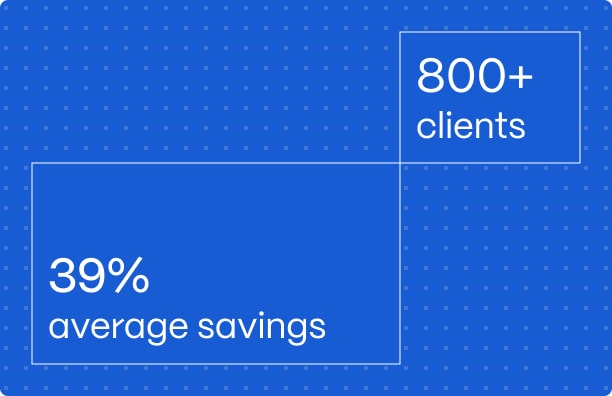
Pairing e-Residency with Spendbase means you build processes that reduce SaaS costs and protect your cash runway. Companies that use Spendbase report up to 39% savings on cloud and software bills—numbers that are hard to beat for any founder focused on burn rate.
What does this look like in practice?
- Automated vendor negotiations deliver lower prices, removing the slow back-and-forth with account reps.
- Spend visibility and alerts let you see trends and stop waste before it snowballs.
- Centralized billing means finance teams don’t chase receipts or wrestle with different currencies and VAT compliance.
This combination scales with you. Whether you’re a solo founder or leading a team of 50, smarter spend management stretches every euro—and lets you focus on building, hiring, and going cross-border.
For examples of successful SaaS cost control, the official guide on why you should set up a business in Estonia with e-Residency breaks down the value for digital businesses.
Hundreds of SaaS and Startup Perks
Spendbase doesn’t stop at savings. For e-resident founders, it’s also a bridge to hundreds of discounts and perks spanning software, cloud services, and productivity tools. These perks make it easier to test new products, try premium features, and grow your stack without extra cost.
With exclusive offers negotiated for scaling companies, startups can:
- Try cutting-edge SaaS tools before paying.
- Access partner discounts for cloud storage, project management, and developer products.
- Manage perk usage and renewals directly inside the Spendbase dashboard.
If you’re curious about more startup perks and discounts, see detailed advice from Estonia’s startup funding and investor support portal.
Optimizing Finance Operations with Spendbase
A key reason founders choose Estonia e-Residency is to escape the friction of legacy banks and slow finance systems. Spendbase finishes the job with a full suite of tools that sync with the e-Residency mindset:
- No in-person paperwork or branch visits.
- Onboarding and KYC checks are remote, so you can set up accounts wherever you are.
- Every spend action is tracked and categorized, ready for accounting or tax filings.
If your team wants to double down on spend controls and SaaS savings, the Spendbase procurement features give you smart workflows and vendor management tools under one roof.
Estonian e-residents already enjoy streamlined taxes, fast company setup, and EU-wide operations. Spendbase sharpens those benefits. Together, you’re managing spend and scaling your startup with full confidence—wherever you (and your team) live.

We can unlock discounts on 10,000+ tools you already use.
Conclusion
Estonia e-Residency gives finance leaders and founders a clear edge—fast company setup, fully digital admin, and tax rules that keep capital working where it matters. With 0% tax on retained profits, remote access to EU markets, digital IDs for secure logins and e-signing, and no need to visit Estonia, the program delivers unmatched value for IT startups and distributed teams. Companies in SaaS, product, and finance gain most by scaling faster, saving on bureaucracy, and operating confidently across borders.
Modern spend management is the final piece. Platforms like Spendbase help new e-residents open virtual cards, manage all procurement, and unlock hundreds of SaaS discounts. This smart stack means smoother scaling, stronger budget control, and better global reach. If you’re serious about harnessing the full Estonia e-residency benefits to grow smarter, explore how Spendbase can power up your next stage.
Ready to move forward? Start optimizing your digital business finances and unlock your own success story as an e-resident.


Get discounts on your team’s favorite apps
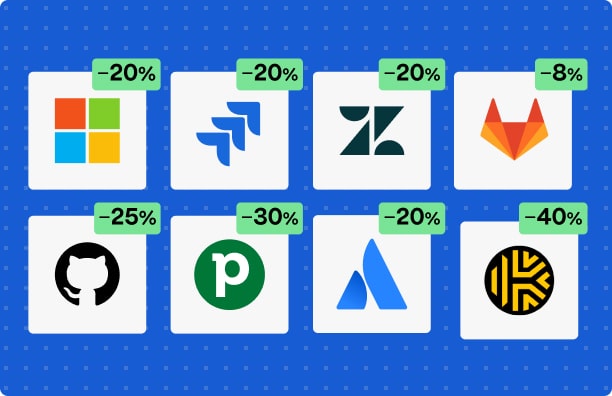
Find deals for 10%, 30%, or even 70% off in our discount marketplace.
Check Discounts