





Estonian Financial Tips
Virtual Cards in Estonia: The 2025 SMB Finance Leader’s Guide to Choosing the Best Provider

For companies scaling in competitive markets, these tools are more than a convenience—they’re essential for oversight and cost efficiency. Spend management platforms like Spendbase take the virtual card experience further by bundling spend control, SaaS subscriptions, actionable analytics, and savings perks in one place. With more Estonian SMBs embracing card solutions, understanding the differences between providers is key for smarter decisions and lasting business growth.
Why Virtual Cards are Transforming Business Spend in Estonia
Virtual cards in Estonia have sparked a change in how ambitious companies handle money. More founders, finance leaders, and professionals are switching away from paper receipts and complex reimbursement processes. Virtual cards let teams move faster, set clearer spending rules, and gain a real-time window into every euro spent. Estonia—famous for digital innovation and e-Residency—has become the perfect place for businesses to try smarter finance tools. Let’s look at the biggest ways virtual cards are taking over business spend for Estonian SMBs.
Quick Setup and Flexibility
Launch a new project or let a team member buy software in minutes, not days. Virtual cards take away the slow onboarding and paperwork of plastic cards. You can:
- Instantly issue and cancel cards for any user.
- Set spending limits and expire cards when you want.
- Assign cards to departments or projects.
As a result, fast-moving firms gain more control and avoid cash flow surprises.
Stronger Spend Control and Security
Virtual cards in Estonia are favored by finance pros for their security. Unlike static corporate cards, each virtual card can be single-use or limited to certain vendors. This shrinks the risk of fraud and misuse. For example:
- If a SaaS subscription needs canceling, just deactivate the virtual card.
- Fraud attempts have no access to main company funds.
For Estonian companies where privacy and agility matter, these features fit the country’s digital-first mindset. Learn more about the ID-card and secure digital access in Estonia.
Real-Time Tracking and Simplified Expense Management
Tracking expenses shouldn’t be a monthly headache. With virtual cards connected to spend management platforms, every transaction shows up instantly in your dashboard. You’ll quickly spot duplicate charges, missed invoices, or over-spending trends. Many solutions automatically sync data with accounting tools. The end result? Less manual work and more accurate numbers.
Easy Access for Distributed and Remote Teams
Remote teams and freelancers are key for many Estonian SMBs. Virtual cards let you empower workers around the globe without shipping a single piece of plastic. All they need is their phone or laptop. Companies can:
- Grant and limit access by project or client.
- Get reimbursed for only what’s spent, no petty cash required.
Adapting to Estonia’s E-Residency and Cross-Border Needs
Estonia’s e-Residency program means businesses and founders come from all over the world. Virtual cards are a perfect match for this environment because they:
- Work across borders with multiple currencies.
- Support online-first business models.
Read more about the benefits of becoming an e-resident and see why global finance teams thrive using virtual cards in Estonia.
SMB-Friendly: No Corporate Red Tape
Traditional business banking can feel slow and restrictive. In Estonia’s competitive market, SMBs want tools that skip the corporate maze. Virtual cards:
- Remove the need for lengthy credit checks.
- Offer transparent fees and clear terms for growing companies.
- Give SMB finance leaders more freedom to test, scale, and save.
If you’re new to the options, sites like neolista’s virtual card provider roundup make it easier to see which platforms operate in Estonia and what they offer.
Spend Management Integration: Why Spendbase Stands Out
Some platforms, like Spendbase, go beyond issuing virtual cards. They bundle spend management, SaaS subscription controls, analytics, and banking services all in one. This end-to-end approach means you’re not just tracking spend—you’re actively finding ways to save, manage contracts, and get discounts for your business. That all-in-one power is why many Estonian SMBs see platforms like Spendbase’s SaaS management and savings features as step one toward smarter growth.
See how much you can save on your stack
Pick your team’s tools!
Click to select one or more tools.


What’s your company size?
Just click to select.
What’s your business email?
We'll send you calculations right away
The email is flying to your inbox!
Beyond discounts, you may qualify for up to $100K in AWS credits.

Tax and Fee Transparency: A Look at Leading Providers
Transparency is key for growing Estonian SMBs. Here are the most important details about taxes and fees for each major provider (except Spendbase, which has a different model):
- Wise: Charges a small currency conversion fee, plus transaction fees for certain card payments.
- Revolut Business: Monthly subscription plans, domestic and international payment fees, and specific card delivery charges.
- Pleo: Fixed monthly subscription, with no hidden card fees, but setup and foreign transaction fees may apply.
- Swedbank Estonia: Standard banking fees for business cards, ATM withdrawals, and sometimes extra costs for virtual card issuance.
- LHV Bank: Offers virtual cards with low setup and maintenance fees. See their virtual card page for details.
- Paxful Business: Service fees on transactions, especially when using cryptocurrencies or converting funds.
- Stripe: Charges per-transaction fees, typically a flat rate plus a percentage, with international payment surcharges.
- Paysera: Card maintenance and issuance fees, plus international transfer charges.
- Soldo: Subscription-based pricing, with fees for ATM withdrawals and some advanced features.
Fees change often. Always review each provider’s posted terms and fee schedules before making a choice.
Virtual cards in Estonia are about speed, transparency, and flexibility for teams that want results now—not months from now. Their popularity is growing, not just because of the tech, but because they fit the way modern Estonian companies work, hire, and scale. For those building high-performing finance teams or handling SaaS spend, they’re quickly becoming the new normal.
Key Features to Evaluate in Virtual Card Providers
Selecting the right partner for virtual cards in Estonia can shape the entire experience for your team. It’s not just about getting a digital payment card — it’s about finding flexibility, transparency, and tools that drive business results. The best virtual card providers combine smart features, affordable fees, and strong controls to fit the way modern Estonian SMBs buy software, manage budgets, and scale fast. Here are the features finance leaders focus on to make a confident choice and avoid expensive surprises.
All-in-One Spend Management and Extra Perks
With so many moving parts, SMBs benefit when their virtual card provider is more than just a card issuer. That’s where Spendbase sets itself apart. Unlike others, Spendbase combines virtual cards with spend analytics, SaaS subscription management, bill payment, and dozens of built-in discounts. This means you can:
- Track every euro without logging into separate tools.
- Automate vendor payments and subscription renewals.
- Discover new savings on software, cloud, and tools your team already uses.
This bundled approach saves time and money, giving business leaders a “mission control” view of their financial activity. If your company manages many SaaS subscriptions or needs to get spend under control, features like SaaS management and spend optimization will make your finance team’s job easier.
Fee Transparency and Total Costs
Fees and taxes eat into savings if you’re not careful. Make sure to compare:
- Monthly or annual costs: Most providers have subscription fees, except some banks.
- Foreign exchange rates and charges: Especially critical for global or distributed teams.
- Transaction and ATM fees: Whether you make lots of payments or occasional withdrawals, small costs add up.
- Card issuance and renewal fees: Watch for hidden setup or replacement fees.
Let’s break down some real-world numbers for the top providers:
- Wise: Low currency conversion rates, competitive transaction fees, no big surprises compared to legacy banks. Transparent fee structure.
- Revolut Business: Multiple plan tiers, with rising monthly fees for premium options. Fees for some payments and extra cards.
- Pleo: Monthly subscription covers most features, but certain actions, like international transactions, may have added costs.
- Swedbank Estonia: Standard package and ATM usage fees; check their card pricing list for full details.
- LHV Bank: Minimal fees for virtual cards; see the full breakdown of costs. No monthly fee for basic usage.
- Paxful Business: Service fees for crypto transactions or currency conversion.
- Stripe: Per-transaction fee (fixed + percentage) with standard cross-border costs.
- Paysera: Card issuance and maintenance fees, low-cost for basic payments.
- Soldo: Monthly subscription plus occasional add-on fees, especially for ATM use.
Want a deep dive on Estonian provider costs? Check out the summary at All virtual card providers in Estonia (April 2025).
Real-Time Spend Controls and Alerts
Modern teams need control over every euro 24/7. Leading platforms offer:
- Instant card creation and cancellation: Start and stop payments in seconds for new hires or departing teammates.
- Flexible limits and expiry dates: Set transaction caps, daily or monthly spending, and automatic expiration.
- Custom usage restrictions: Allow only certain vendors or categories for each card.
Providers like Spendbase, Pleo, and Stripe all include customizable controls to fit a variety of business cases. For Estonian finance leaders who value agility, these features prevent small expenses from spiraling out of control.
Seamless Integration with Accounting and SaaS Tools
For those running lean finance teams, every minute spent copying card data is a minute wasted. Providers must support:
- Easy integration with your accounting software: Choose a system that connects with Xero, QuickBooks, or your preferred ERP.
- API access and webhooks: For those who want to automate workflows and connect spend data to internal dashboards.
- Built-in SaaS and subscription management: Platforms like Spendbase help you monitor usage and avoid forgotten charges.
Integration saves hours by syncing payments, tags, and notes straight to your financial reports. Learn how Spendbase’s procurement features take these capabilities further, streamlining everything from order requests to final payments in one place.
Multi-Currency and Cross-Border Support
Estonian SMBs often hire and sell internationally. Your provider should make cross-border payments easy, so look for:
- Multi-currency virtual cards: Reduce forex headaches by paying and receiving in local currencies.
- Competitive currency conversion rates: Wise and Revolut stand out here for global activity.
- Local compliance and VAT handling: Tax-friendly providers help keep your company audit-ready.
For e-Residents and borderless teams, platforms that handle international payments and supplier tax documentation make scaling easier. Get tips on fee optimization from the official Cost & fees guide for Estonian e-Residency companies.
Security and Fraud Protection
Even digital-first companies face payment risks. Virtual card features to check:
- Single-use or limited-use cards for added layers of protection
- Strong authentication requirements (2FA, biometric logins)
- Instant card-blocking if suspicious activity is detected
Stripe, Wise, and Soldo are known for robust security standards. Spendbase takes it a step further with customizable card policies and alerts that catch issues before they escalate.
Customer Support Designed for Growing Businesses
Fast-growing SMBs don’t have time for long customer support waits. Look for:
- Dedicated business support teams
- 24/7 chat or local Estonian service
- Extensive help centers and onboarding
Companies like Revolut Business and Spendbase are recognized for easy onboarding and responsive help, while some banks can be slower to respond to changing company needs.
Evaluating virtual card providers in Estonia isn’t just about feature lists. It’s about finding a match for how your business works: fast, transparent, flexible, and secure. Review each provider’s strengths, compare the numbers, and always check for services that grow with you. For more on choosing your next provider, see the e-Residency overview for business services.
A Deep Dive into Leading Virtual Card Providers in Estonia
Choosing a virtual card provider can help your business unlock faster payments, smarter controls, and better visibility on every euro spent. Estonia’s love for digital innovation has made it a hub for next-generation financial tools, with options to fit every growing team. Below, you’ll find a focused look at the most trusted providers offering virtual cards in Estonia. Each one stands out for unique features—whether that’s supporting cross-border teams, controlling SaaS spend, or integrating crypto. Here’s what finance leaders need to know.
Spendbase: AI Power for Business Spending
Spendbase goes beyond basic virtual cards. Their platform acts as a spend command center for modern SMBs in Estonia, blending instant card issuing with smart controls, SaaS and cloud cost optimization, and AI-guided reporting. You not only create cards for any team or vendor, but you also track every payment in real time and gain full visibility on your biggest recurring expenses.
What makes Spendbase stand out:
- Instantly issue cards, add rules, and set limits on any spend—no plastic needed.
- Their AI reviews software bills, surfacing hidden savings on everything from Slack to AWS.
- Built-in SaaS management cuts waste, with tools to manage licenses, renewals, and even negotiate vendor prices.
- Seamless approval workflows, spend analytics, and reporting mean you won’t lose sight of company cash.
Most finance leaders see Spendbase as a way to both save time and recover budget, especially if SaaS and cloud costs are a pain. Ready for transparent, success-fee based plans? See SpendBase Pricing Plans.
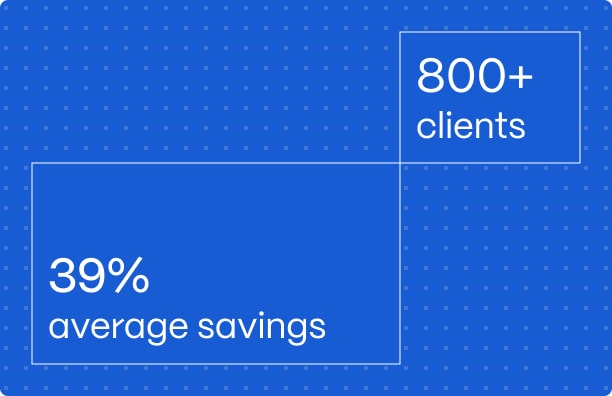
For deep control over SaaS subscriptions, check out their SaaS management solutions, which can trim up to 39% from business software expenses.
Wise (formerly TransferWise): Multi-Currency Card for Borderless Teams
Wise specializes in quick, global transactions and clear pricing. Their virtual card is built for businesses that pay or receive money across borders, making it ideal for Estonia’s e-Residents and international SMBs. The card lets you spend in multiple currencies with real mid-market rates, avoiding nasty markups.
Key pros for Estonian companies:
- True multi-currency accounts for over 50 currencies.
- Always transparent pricing—see every fee before you pay.
- Popular for remote teams and GBG payroll, with simple card issuing and instant deactivation.
Possible drawbacks:
- There’s a small fee for currency conversion (typically 0.35–2%), and some card payments incur fees.
- Not as many spend analytics or controls as specialized spend management platforms.
Wise is a favorite for teams that operate globally and want reliable, borderless spend.
Revolut Business: Flexible Currencies, Automation, and Growth
Revolut Business is popular among fast-scaling Estonian SMBs for its flexible account options. The standout feature is true multi-currency support, letting users pay, hold, and send dozens of currencies at fair exchange rates. Their platform packs in automated payment workflows and strong reporting.
Where Revolut shines for Estonian businesses:
- Multi-currency accounts and virtual cards, all under a single dashboard.
- Spend controls like daily limits, category locks, and instant card freezing.
- Easy integration with popular accounting systems and expense apps.
Consider:
- Monthly plan fees range from free basic tiers to premium.
- Some international payments and ATM usage bring extra costs.
Revolut supports teams that want one tool for everything—expenses, subscriptions, payroll—while keeping processes smooth for global teams.
Pleo: Expense Management and Receipt Automation
Pleo has carved out a niche as the SMB favorite for employee expense tracking. Each user gets their own virtual card that ties directly to automated receipt capture and spending reports. This turns monthly closing into a 10-minute task instead of a week-long race.
What Pleo brings to Estonian finance teams:
- Smart receipt collection: snap and match each purchase to the right card.
- Real-time tracking of expenses, categorized for clean books.
- Expense policies and approvals that speed up control, minimizing back-and-forth emails.
Fee note: Pleo uses a subscription model, with monthly fees based on your selected tier, and may charge for international transactions or advanced features.
If receipt headaches and scattered expense forms are slowing down your finance team, Pleo is a strong pick.
Swedbank Estonia: Secure Digital Cards for Classic Banking
Swedbank Estonia offers digital cards that blend the trust of a big bank with digital convenience. Existing business clients can create virtual cards from their mobile app—handy for established SMBs that prefer to stick with one financial provider.
Highlights:
- Virtual cards issued securely through the Swedbank app for instant use.
- Custom spending limits, real-time notifications for every transaction.
- Strong phone-based customer support and secure login protocols.
On fees and taxes: expect standard banking charges for card issuance, ATM transactions, and possibly international usage. Review Swedbank’s business card fee schedules.
Swedbank fits best for those who want the reassurance of a high-street bank while exploring digital tools.
LHV Bank: Virtual Card Ecosystem for SMBs
LHV, a top Estonian bank, supports digital-first business banking with dedicated virtual card options. The offering is easy to manage for both local and e-Resident companies.
Benefits for Estonian SMBs:
- Quick setup of virtual cards, with the option to assign cards to individual team members or projects.
- Minimal monthly or maintenance fees, transparent fee structures.
- Integration with LHV’s broader digital ecosystem—mobile app access, accounting data export, and more.
For up-to-date card costs or to see if you qualify, see the LHV virtual card page.
LHV is ideal for SMBs seeking a strong local partner and no-nonsense pricing.
Paxful Business: Crypto Payment Cards for Modern Teams
Paxful stands out by connecting virtual cards to crypto balances. Innovative Estonian businesses or tech teams working in web3 will value the ability to issue cards funded directly by digital currencies like Bitcoin or Tether.
Advantages:
- Convert and spend crypto seamlessly—use cards for online purchases, vendor payments, or subscriptions.
- Built-in crypto wallet and fiat on/off ramps for global business spend.
- Advanced mobile app with real-time alerts.
Know the fees: Paxful charges service fees on crypto-fiat exchanges and some card transactions. This model is best for those already managing digital assets.
Stripe: Virtual Cards for Fast-Growth Startups
Stripe has made it easy for fast-growing Estonian tech companies to issue and manage virtual cards. Their strong developer tools mean you can create custom controls and automate payments for everything from team subscriptions to customer refunds.
Stripe’s card features for SMBs:
- On-demand issuing of individual or team cards, with custom spend controls.
- Real-time tracking, analytics, and API integrations built for scaling companies.
- Pairs perfectly with SaaS billing and recurring payments.
Fees: Stripe applies per-transaction fees (typically a flat rate plus percentage) and has standard surcharges for cross-currency payments. For details, see Stripe’s pricing.
Stripe suits product-led teams who want automation and the flexibility to build finance workflows their way.
Paysera: Virtual Cards for Borderless Business
Paysera focuses on affordable international spending—appealing for Estonian e-Residents and businesses hiring or paying contractors abroad. The platform lets you issue virtual cards to pay online or in stores and manage currencies with fewer restrictions than classic banks.
What Paysera offers:
- Multicurrency support and simple access to low-fee international transfers.
- Virtual cards suited for business purchases, with clear onboarding for remote users.
- Strong desktop and mobile access for distributed finance teams.
Fee rundown: Paysera applies card issuance and annual maintenance fees, plus low-cost transfers. It’s great for global teams seeking a straightforward, budget-friendly approach to business spending.
For more info, see this comparative overview of Paysera business cards.
Soldo: Full-Spectrum Expense Control and Analytics
Soldo gives finance managers a birds-eye view of every company purchase. Their virtual cards are connected to a rich dashboard designed for real-time tracking, team management, and automated reporting. Soldo works well for those who want to split spend controls between departments, projects, or locations.
Top reasons to choose Soldo:
- Assign cards to teams, projects, or individuals, with tailored spending limits and real-time approvals.
- In-depth analytics: break down who is spending, on what, and where savings can be found.
- Integrated receipt collection, automated reconciling, and export-ready reports for accounting.
Soldo’s pricing is monthly subscription-based, with some add-on costs for ATM use or advanced analytics features.
If your finance team wants every expense itemized and under control, Soldo is purpose-built for the job.

For a deeper understanding of how procurement tools tie into broader spend control strategies, see the article on procurement vs purchasing explained.
Virtual cards in Estonia are no longer just for tech giants. Modern finance teams—big and small—have better choices than ever, each designed for different needs. Whether your focus is borderless payments, advanced spend management, or crypto integration, picking the right provider can make finance simpler and more efficient.
Free virtual cards for non-EU residents
Open in 1 working day, issue 100 virtual cards, and get up to 1.25% cashback.
Get a free account
Implementation Tips for SMBs Adopting Virtual Cards in Estonia
Rolling out virtual cards in Estonia isn’t just about activating a new way to pay—it’s about setting up smart processes so your business gets all the benefits: tighter controls, cost savings, and agility for your team. Taking a clear, step-by-step approach will help you avoid headaches and make virtual cards a real asset for your company.

Define Your Goals and Policies
Before you issue your first virtual card, get clear on why you’re switching from traditional cards or reimbursements. This will shape every decision you make.
- Are you aiming to improve spending control?
- Is your main goal to make remote purchases faster?
- Do you need real-time visibility into team or project spending?
Set clear card usage policies: who gets access, what expenses are allowed, who approves large transactions, and when cards must be closed or paused. Sharing these rules from day one reduces confusion.
Pick the Right Provider for Your Needs
Different SMBs in Estonia have different pain points, so take the time to review each provider based on features, integration, and cost.
- Spendbase: Go for it if you want virtual cards plus all-in-one spend management, SaaS cost control, smart analytics, and discounts. It’s especially strong for software-driven SMBs looking to make spend decisions faster and cut software waste.
- Wise & Revolut: Best for businesses needing strong multi-currency tools and international payments.
- Pleo, Soldo: Top picks for companies who want employee-by-employee expense tracking and automation.
- Traditional banks (Swedbank, LHV): Choose if you prefer sticking with established banking partners and straightforward card management.
Make a side-by-side list of your “must-haves” (like accounting integrations or real-time alerts) and see which providers cover the bases.
Plan a Fast, Clear Rollout
Virtual cards make the most sense when everyone understands how and when to use them. A good rollout plan includes:
- Staff training: Walk through the basics and highlight security must-knows like never sharing card info via email.
- Card assignment: Decide if you’ll assign cards per project, per person, or by vendor.
- Approval flows: Set clear rules for who approves new cards and reviews expenses—especially for bigger purchases.
Announce the rollout with a clear internal memo or short training so no one’s left guessing.
Automate and Integrate for Efficiency
Avoid manual entry and chasing receipts by connecting your virtual card platform to existing tools.
- Sync with your accounting or ERP systems to keep your books tidy.
- Automate receipt collection, card limits, and approval flows. Platforms like Spendbase help here by bundling expenses, SaaS subscriptions, and analytics into one dashboard.
- Set up real-time alerts so you can respond if anything odd pops up—no more waiting for month-end surprises.
Monitor and Review Usage Regularly
Virtual cards reduce risk, but regular reviews stop problems before they grow. Build a rhythm to:
- Analyze spend by category, team, or vendor at least monthly.
- Check active cards and pause or close any that are no longer needed.
- Scan for duplicate subscriptions or missed discount opportunities.
If you’re managing lots of SaaS tools, use Spendbase’s analytics to catch unused licenses and catch auto-renewals before they waste money.
Reinforce Security and Compliance
Virtual cards are safer than sharing a single corporate card, but you still need strong habits.
- Use single-use cards for trial vendors or risky one-off payments.
- Require multi-factor authentication and strong passwords.
- Partner with providers that meet top security standards.
For cross-border teams, make sure your provider helps with VAT handling and jurisdictional compliance—especially important for e-Residents or companies serving EU clients.
Start Small, Scale Confidently
Don’t try to reinvent your finance process in a single day. Many Estonian SMBs start by issuing virtual cards to a single department or use case—like SaaS subscriptions or travel—then expand once people see the value.
- Collect feedback from users on ease, pain points, or feature wishes.
- Gradually roll out to more departments or functions.
- Revisit your policies as your company evolves.
Smart, phased adoption means fewer mistakes and more buy-in from your team.
Adopting virtual cards in Estonia isn’t just flicking a digital switch—it’s about creating processes and habits that support growth. When you combine the right provider with strong policies, training, and the power to adapt, your SMB can spend smarter and move quicker than ever.
The Future of Virtual Cards for Estonian SMBs
The next few years are set to redefine what’s possible for virtual cards in Estonia, especially for SMBs looking to stay agile and secure as they grow. With digital-first government policies, a thriving startup scene, and a national focus on convenience, Estonian businesses are in a strong position to take advantage of new virtual card innovations. Here’s a look at what’s ahead and how these trends will impact finance leaders making decisions for their teams.
 Photo by Nataliya Vaitkevich
Shaping the Next Wave: AI, Automation, and Spend Intelligence
Estonian SMBs value tools that provide transparency and save time. The future points to greater AI integration and smarter automation. Platforms like Spendbase already use artificial intelligence to sift through invoices, flag duplicate subscriptions, and recommend cost cuts—helping SMBs trim up to 39% off software expenses. As AI becomes more common, expect smarter controls, auto-tagged expenses, and self-adjusting budgets that keep unnecessary spend in check without constant manual effort.
Here’s what you can expect:
- Proactive alerts for unusual spend or expiring vendor contracts.
- Automated compliance with local and EU tax requirements.
- Instant reporting tailored to department, project, or user.
Not only does this make finance teams more efficient, but it also means fewer mistakes and less time chasing down receipts or reconciling books.
Seamless Digital Experiences & Integration With National Ecosystems
Estonia’s commitment to digital government and e-Residency means that SMBs expect business tools to dovetail with official systems. Virtual card providers that integrate with Estonian digital ID, tax, and accounting solutions will stand out as the top choices. Over time, this will make onboarding easier and improve regulatory compliance for businesses serving both domestic and international clients.
For a deeper dive into how Estonia views the future of digital identity and cards, check out the analysis on the future of ID cards and digital wallets in Estonia.
Evolving Security in a Trusted Digital Society
Cybersecurity isn’t just for tech giants any more. As virtual card adoption rises, so does the focus on defense against fraud and account takeovers. In Estonia’s digital society, building trust means investing in:
- 2FA and biometric authentication for every transaction.
- Single-use and merchant-locked cards to control exposure.
- Real-time card freezing and granular permissions.
Learn more about the ongoing debate between card types and new layers of digital security in the article on Virtual vs Physical Cards Security.
Streamlined Procurement, Smarter SaaS Spend
Digital-first SMBs in Estonia are now running dozens of SaaS platforms—sometimes losing track of renewals or overlapping tools. The virtual card of tomorrow will bundle spend management, procurement tools, and even vendor negotiations. Solutions like those from Spendbase show this shift, aiming to become a “mission control” for all company expenses, rather than just a payment method.
Expect features such as:
- Automated vendor checks and anti-fraud screenings built into card issuing workflows.
- Self-serve procurement requests and contract uploads. No more messy email chains.
- Bulk subscription controls to stop SaaS waste.
For a look at how procurement and spend converge, see this useful resource outlining the modern procurement vs purchasing distinction.
Open Banking and Multi-Currency Flexibility
As Estonian companies reach more international markets, cross-border payments need to be smoother and cheaper. The next chapter for virtual cards in Estonia will likely involve deeper partnerships with open banking services and support for even more currencies—empowering SMBs to pay, get paid, and analyze spend globally without heavy admin.
Expectations for the future include:
- Instant sub-accounts in different currencies.
- Transparent FX fees with live rates.
- Direct integrations with cross-border payroll platforms.
To get ahead of these features, consider signing up for early access with services leading the charge, such as Spendbase’s Virtual Cards Early Access.
Entrepreneurship, e-Residency, and a Truly Borderless SMB Market
Estonia’s thriving e-Residency program supports entrepreneurs from over 170 countries, fueling a wave of borderless SMBs. These companies need payment solutions that sync with global business—acceptance everywhere, SaaS licenses worldwide, VAT-friendly tools, and a consistent user experience no matter where the team is located.
You can learn more about this entrepreneurial shift through the Estonian e-Residency portal and why access to digital cards unlocks extra agility for global SMBs.
The Bottom Line: Virtual Cards Become Business Infrastructure
Soon, virtual cards in Estonia won’t feel like a “new” perk. They’ll be flat-out expected—woven into digital banking, embedded in everyday tools, and smart enough to handle the heavy lifting for budget oversight, spend approvals, and security. For finance leaders and founders seeking a competitive edge, it’s not only about issuing cards—it’s about choosing platforms that move at the speed of your business and remove bottlenecks for your team.
Stay tuned to how providers keep building on this momentum. If you want to explore virtual cards packed with spend management features, AI-driven insights, and seamless banking, you can also check out Spendbase’s digital banking solutions. This direction is what’s shaping smarter finance foundations for Estonia’s next wave of ambitious SMBs.

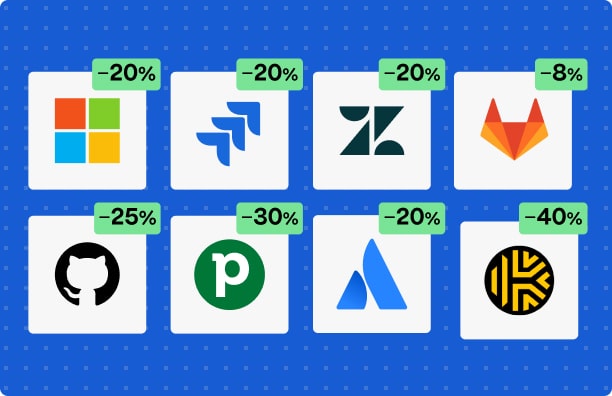
We can unlock discounts on 10,000+ tools you already use.
Conclusion
Virtual cards in Estonia stand out as a key tool for finance leaders looking to control costs, streamline processes, and position their companies for steady growth. Comparing providers like Wise, Revolut Business, Pleo, Swedbank Estonia, LHV Bank, Paxful Business, Stripe, Paysera, and Soldo highlights important fee differences, global payment support, and integration options. Spendbase leads the way by combining virtual cards with AI-powered spend management, SaaS control, and banking—all in one solution.
Choosing the best provider starts with knowing what your team needs most: simplicity, analytics, or international reach. Make sure to review each option’s tax and fee structure so there are no surprises. The right platform isn’t just about payments; it’s a foundation for scaling confidently in Estonia’s dynamic SMB sector.
Ready to sharpen your spend strategy? Explore platforms that help you manage subscriptions, reduce SaaS waste, and automate reporting. For a deeper look at optimizing software and vendor spend, check out the SaaS Management Ultimate Guide.
Thanks for reading—if you have experience with virtual cards in Estonia, share your insights or questions below. Your feedback helps fellow finance professionals make smarter decisions for their teams.


Get discounts on your team’s favorite apps
Find deals for 10%, 30%, or even 70% off in our discount marketplace.
Check Discounts