






Luxembourg Financial Tips
Why Luxembourg Startups Hire from Ukraine, Georgia, and India: Smart Talent Strategies and Spend Control Tips

Luxembourg is turning heads as a fresh hub for startups, but finding skilled professionals fast enough to match rising ambitions isn’t easy. Startups here want top talent with technical know-how and reliable work ethics. That’s why more founders are looking to Ukraine, Georgia, and India for remote teams and smart partnerships.
These countries deliver expertise, flexibility, and value for money that help young companies grow quickly, even on tight budgets. But with global hiring comes new challenges in tracking spending and keeping workflows under control. As you read on, you’ll see what sets talent from these regions apart—and learn how Luxembourg-based startups can use tools like SpendBase to better manage contractor payments, SaaS subscriptions, and vendor expenses for real savings and more confident growth.
Why Luxembourg Startups Hire Talent from Ukraine, Georgia, and India
Talent shortages in Luxembourg make looking abroad a smart move for ambitious startups. Teams in Ukraine, Georgia, and India are not only full of skilled workers—they’re often known for their flexibility, affordability, and fresh ideas. Here’s why these regions have become go-to markets for Luxembourg-based companies.
Access to Skilled Talent
Startups need more than just coders—they want pros who deliver quality work right from the start. Ukraine, Georgia, and India stand out due to:
- Strong technical education: Universities and tech institutions in these countries build solid programming skills and practical know-how.
- Hands-on experience: Many developers have contributed to global projects, cloud migrations, and large-scale SaaS builds.
- English proficiency: Communication rarely slows projects down since most tech teams work in English daily.
Companies in Luxembourg gain a real advantage with teams who’ve seen how leading software is built and maintained, whether for fintech, e-commerce, or AI.
Cost Savings and Value
Hiring locally in Luxembourg can stretch budgets thin. By working with Ukrainian, Georgian, or Indian teams, startups can benefit from:
- Lower salaries for equal or even higher skill levels.
- Reduced office and operational costs since many roles remain remote.
- Budget flexibility to bring in more talent or invest additional funds in growth.
Here’s a simplified comparison table for average software engineer salaries (in USD per year):
Luxembourg: $70,000 – $100,000;
Ukraine: $25,000 – $40,000;
Georgia: $20,000 – $35,000;
India: $18,000 – $35,000.
These numbers open doors for startups to grow faster, put more into product development, and react quickly to new business needs.
Flexibility and Scalability
Startups need to scale headcount up and down with projects. Laws and hiring traditions in Ukraine, Georgia, and India make this easier by allowing:
- Simple contract work and remote hiring.
- Quick onboarding compared to stricter employment rules in Western Europe.
- Ad-hoc project staffing without long-term risk.
With more companies working remotely, location matters less than getting the right skill at the right time. Many service providers in these markets make scaling up or down just a phone call or Slack ping away.
Time Zones and Remote Work Compatibility
Finding teams who work when you do keeps projects moving. Ukraine and Georgia’s time zones line up closely with Luxembourg. India’s tech industry has mastered async and shift-based collaboration models, so:
- Overlapping work hours mean fewer delays and faster feedback.
- Remote practices have matured, keeping everyone in sync on complex projects.
- Support and problem-solving can happen nearly around the clock.
Modern tools and well-established routines mean distance rarely becomes a hurdle.
Entrepreneurial and Problem-Solving Mindset
Startups thrive when teams bring original thinking, passion, and a hunger to solve tough challenges. Ukrainian, Georgian, and Indian professionals are often noted for:
- Taking initiative and looking beyond the task list.
- Cultural adaptability, letting them work smoothly with diverse partners.
- A “let’s solve it” attitude—critical in unpredictable startup environments.
Many of these pros started their careers working for ambitious, global-facing companies. They’re used to speed, rapid change, and the practical hustle needed to hit moving targets.
Modern spend management tools like Spendbase help Luxembourg startups keep every contract, project, and software license under control. When your hiring market goes global, real-time tracking of costs, contract renewals, and contractor payments isn’t just helpful—it’s probably essential for confident, sustainable growth.
See how much you can save on your stack
Pick your team’s tools!
Click to select one or more tools.


What’s your company size?
Just click to select.
What’s your business email?
We'll send you calculations right away
The email is flying to your inbox!
Beyond discounts, you may qualify for up to $100K in AWS credits.

Hidden Costs and Challenges When Hiring Abroad
When Luxembourg startups tap into fresh talent from Ukraine, Georgia, and India, they unlock big savings and new skills. But hiring overseas is never just about payroll numbers. It comes with behind-the-scenes costs and hurdles that most companies only discover the hard way. Understanding these pitfalls early can save your team from wasted money and stress. Below, you’ll find the biggest challenges to watch for—and some practical tips to handle them as you build a global team.
Managing Distributed Teams
Running teams across continents means more than a few video calls. Communication gaps pop up fast when people work in different locations, cultures, and time zones. Project details might get lost in translation. Cultural habits influence how feedback is given and received. Even basic decisions, like when to schedule a meeting, can get tricky.
Key trouble spots to address:
- Communication lags: Choppy video calls and missed chat messages slow decisions and frustrate everyone.
- Process friction: Each region might prefer its own project tools or workflows, leading to confusion.
- Productivity dips: Without a clear rhythm and shared expectations, tracking output is tough.
- Time zone mismatches: Overlapping work hours get squeezed, slowing progress and making collaboration harder.
To get ahead of these pitfalls, many Luxembourg startups build structured yet flexible team routines. They use common tools, schedule handoff windows, and clarify expectations from day one. Solutions like Spendbase help streamline approvals, admin, and purchase tracking, leaving your busy teams free to focus on what matters.
Compliance and Legal Risks
Hiring talent abroad requires more than a simple contract. There’s a web of local employment laws, country-specific tax rules, and documentation standards to navigate. Without the right setup, your business risks fines, legal battles, or delayed projects.
What to watch out for:
- Local labor laws: Requirements around taxes, benefits, and contracts vary widely across borders.
- Proper documentation: Missing or incomplete records can stall projects or trigger audits.
- Compliance gaps: Failing to align with regulations could mean penalties or a damaged reputation.
Investing time in research and working with compliance-savvy partners protects your company’s reputation and bottom line. Automated spend platforms can also help by logging every contract and payment, reducing manual errors and keeping you audit-ready.
Tracking and Managing Spend
The real cost of global teams goes far beyond salary. You’ll face payroll fees, currency conversions, taxes, extra software licenses, and sometimes over-high contractor rates if spending isn’t tracked. Many founders get blindsided by duplicate subscriptions or unused licenses across different countries.
Don’t overlook these hidden expenses:
- International payroll charges
- Multiple tax regimes
- Transaction and currency exchange fees
- SaaS and cloud sprawl
- Inconsistent vendor payments
Control starts with full visibility. Tools like Spendbase centralize all spend data, from SaaS bills to contractor payments, letting startups spot waste and act fast. By using virtual cards with set limits or automating SaaS audits, you can avoid budget blowouts and keep everything under control.
How to Keep Workforce Spend Under Control
Hiring globally opens exciting growth opportunities for Luxembourg startups, but it also creates fresh spend management challenges. Keeping workforce costs in check means balancing salaries, subscriptions, vendor contracts, compliance, and even card-based spending—all across multiple currencies. The right planning and tools simplify this puzzle, helping startups hire from Ukraine, Georgia, and India with confidence. Let’s break down practical ways to control workforce-related spend at every stage.
Create Clear Budgets and Planning Processes
Start by setting maximum budgets for every spend category: salaries, contractor fees, project costs, and SaaS or tool subscriptions. Factor in local taxes and fees, which often differ by region, and add a cushion for currency swings—exchange rates can shrink your buffer quickly if you’re not prepared.
A good budget should:
- Identify expected costs for each hire, including hidden extras like mandatory insurance, compliance, or onboarding tools.
- Build in at least a 5-10% buffer for currency fluctuations and unplanned regulatory fees.
- Set clear project and department-based limits, so no one overspends by accident.
- Schedule regular reviews to catch budget drift or spot inefficiencies before they grow.
Use Spend Management Tools for Visibility
Relying on manual tracking or scattered software quickly leads to wasted money on inactive payroll seats and duplicate SaaS licenses. Modern spend management platforms give you a bird’s-eye view of every payment, from payroll charges to recurring software contracts.
With solutions like SpendBase, you can:
- Instantly see where your money goes, including contractor payments, software renewals, and department-level spend.
- Catch duplicate subscriptions or unused licenses with real-time usage data.
- Track spending against planned budgets, so slip-ups or surprise charges never go unnoticed.
Automate Procurement and Approvals
Manual approval chains and paper invoices make it easy for costs to fly under the radar. Instead, automate your procurement with clear digital workflows:
- Route every purchase request—whether a contractor invoice or SaaS renewal—through quick approval channels.
- Assign spend limits by team or manager, so no one can overspend.
- Automate recurring payments for routine software or remote salaries using secure virtual cards.
SpendBase’s virtual cards let you set hard limits, automate approvals, and control how much can be spent (and on what). This reduces rogue spend and frees teams from paperwork headaches.
Negotiate with Vendors and Contractors
Every euro saved in contract negotiations goes straight to your bottom line. Use local pay data to benchmark fair rates and always compare offers before signing. With workforce spending split between staff and many contractors, negotiation can be ongoing, but the savings are worth the effort.
Here’s how to improve your outcomes:
- Gather local salary and vendor rate data before discussions.
- Use tools with negotiation support or in-built market benchmarks.
- Regularly review contracts for discounts, especially during renewals or when volumes increase.
Platforms like SpendBase even help negotiate on your behalf, using real market data for better pricing.
Get Cash Back and Extra Savings
Why leave money on the table? Many virtual cards now offer cashback or spending rewards, turning regular software or contractor payments into extra savings. These small but steady refunds offset transaction fees, currency risks, and give you more financial breathing room.
SpendBase’s virtual cards don’t just automate payments—they also give you cashback on key purchases, boosting overall savings for your business.
By using these control measures, Luxembourg startups can confidently build global teams and grow faster—without losing sight of every euro spent.
How SpendBase Empowers Luxembourg Startups to Hire Smart and Save More
Luxembourg-based startups don’t want to waste a single euro in today’s startup race. When you hire globally from places like Ukraine, Georgia, and India, you unlock serious talent. But if you don’t have the right spend controls, savings can slip right through your fingers. That’s where SpendBase steps in, taking spend management from guesswork to a confident routine you can trust.
Let’s look at the features that help startups hire smarter, cut costs, and keep growth sustainable—even as teams and expenses go global.
Real-Time Spend Visibility for Global Teams
Forget chasing spreadsheets across dozens of contractors and currencies. SpendBase puts every workforce and SaaS expense in one simple view. Startups see exactly how much they’re paying engineers in Ukraine, designers in Georgia, or support in India—alongside software subscriptions and vendor bills.
With this level of transparency, managers spot wasted costs and fix them quickly. No more paying for unused seats or duplicate SaaS licenses. Everything’s tracked and categorized in real time, with alerts for surprises.
Virtual Cards and Cash Back Perks
Spending shouldn’t depend on messy wires or scattered invoices. SpendBase’s digital banking and virtual cards let you pay remote teams, software vendors, and contractors in local currencies, all while tracking every transaction. Even better, you earn cash back on many payments—so your company actually saves money just by taking care of its team.
This also locks spending to budgets you set—so no one maxes out the card or sneaks in rogue expenses.
Learn how digital cards are changing the game in the Spendbase newsroom piece: Spendbase Launches Digital Banking and Virtual Cards to Help Companies Stop Spending Around.
Automated Procurement and Approval Workflows
Hiring on new continents means more vendors, more invoices, and a bigger risk of random, unapproved purchases. With SpendBase, every new SaaS request or contractor payment goes through a fast, customizable approval process. Need a new design tool or adding a developer? Requests can be approved in Slack and paid out in minutes, all with automatic documentation.
Custom workflows mean you set rules and budgets that match how your startup operates—speeding things up, while keeping spend under control.
For a deeper look at feature must-haves, see what features to look for in a digital spend management software to decide what fits your growing business.
Benchmarked Savings and Vendor Negotiation
Startups shouldn’t overpay for software or get caught in overpriced contracts. SpendBase’s expert team benchmarks your SaaS and vendor spend against global market rates. They’ll step in to negotiate discounts and better renewals—no cold calls required. Users have seen savings into the six figures just from having SpendBase’s pros review their contracts and pricing.
The platform even helps you plan future workforce or software needs, recommending where to save next.
Budget Controls and Compliance Built-In
Hiring in new markets adds compliance headaches: different tax laws, payment limits, and reporting rules. SpendBase helps track all contractor agreements, automates payment records, and stores documentation so you’re always audit-ready. Built-in budget controls flag overspending before it happens, so you avoid fines and keep investors happy.
Here’s a quick rundown of SpendBase’s top benefits for Luxembourg startups hiring globally:
- Real-time dashboards for all spend and SaaS in one place
- Virtual cards with limits plus cashback
- Easy approvals and workflow automation for requests and purchases
- Contract and SaaS audit service for instant savings
- Effortless compliance tracking for cross-border payments and documentation
Modern startups can’t win on talent alone—controlling how you spend keeps growth strong and spending smarter. SpendBase lets Luxembourg companies stop worrying about what’s falling through the cracks, and put the savings straight into building their future.
For startups that want to hire globally and still stay on budget, SpendBase makes the process as easy as hiring an in-house team.
Free virtual cards for non-EU residents
Open in 1 working day, issue 100 virtual cards, and get up to 1.25% cashback.
Get a free account
FAQs for Hiring and Managing International Talent
Building a startup team that spans Ukraine, Georgia, and India can open new doors for Luxembourg founders, but it usually brings up a list of practical questions. From what’s required by law to which tools actually save your budget from surprise fees, this FAQ covers the most common questions when hiring and managing remote tech talent abroad. If you want smoother operations and real savings, give these points careful thought as you plan your next hires.
What are the legal requirements for hiring tech talent from Ukraine, Georgia, or India while based in Luxembourg?
Every country has its own legal framework for foreign employers. As a Luxembourg startup, you’ll typically contract remote workers as independent contractors, or use local entities or Employer of Record (EOR) services. For example:
- In Ukraine, you can engage individual contractors or IT firms; make sure all contracts are in writing and compliant with tax codes. Further reading on remote hiring in Ukraine breaks down the specifics.
- Georgia’s tech workforce is open to remote contracts, but you must register workers and comply with their tax residency rules. This Remote Work Guide for Georgia details the requirements.
- In India, you’re allowed to hire as contractors, but double-check for any export restrictions and tax documentation. This guide for building a remote team in India outlines what you need to know.
Partnering with platforms like WorkMotion can help Luxembourg firms simplify onboarding, documentation, and compliance for talent in these markets. There’s even an opportunity to grab a WorkMotion 20% Discount Offer for early-stage companies trying out new hiring routes.
International hiring can bring unexpected tax headaches—think double taxation or extra payroll service fees. To sidestep these:
- Always clarify the worker’s status (contractor vs employee) and register taxes in both Luxembourg and the country of residence.
- Use payroll providers or EOR platforms built for remote teams, which handle withholdings and split payments automatically.
- Take advantage of double-tax treaties where available with Ukraine, Georgia, or India to avoid the same income being taxed twice.
Spendbase helps Luxembourg startups by tracking international payments and auto-generating documentation, so you can prove compliance and dodge “surprise” fees. Transparent expense reports make audits easier and costs more predictable.
Which software tools help track remote team costs most effectively?
Modern spend management starts with real-time visibility.
Look for platforms that combine:
- Global payroll tracking
- Saas subscription management
- Automated procurement for software and contractors
- Spending controls (e.g., virtual cards) and category-specific budgets
Spendbase brings all these features into a central dashboard, letting you slice data by country, project, or department. It even offers virtual cards that can be locked to a vendor, giving maximum control over software and remote team spending. If you’re new to this territory, check out how unified dashboards can transform financial oversight in the First 90 Days Strategy for CIOs.
What are the risks of misclassifying international contractors?
Misclassification is a big risk—treating a worker as a contractor when they legally count as an employee can mean fines, back taxes, and even legal action. It gets even more complicated across borders:
- Some countries are strict about control and working hours—get these wrong, and you could face a retroactive bill for social contributions.
- Missing correct contracts or local registrations could trigger audits or penalties from both tax agencies.
Always work with legal and HR experts, use clearly drafted contracts, and consider EOR partners if you’re scaling fast. Automated platforms like Spendbase store documentation and payment records in one spot, so you’re always ready for review.
How long does it typically take to set up compliant contracting with talent in these countries?
Onboarding timelines vary, but here’s a quick summary:
CountryProcessing Time (avg)Ukraine1–2 weeksGeorgia1–2 weeksIndia2–3 weeks (longer if large teams)
EOR or SaaS-based solutions can cut these timelines further, sometimes onboarding new contractors or employees in a few business days, especially when using digital signatures and automated compliance checks.
Want to speed things up and cut admin hours? Spendbase lets you streamline vendor onboarding, automate approvals, and keep all contracts digital, saving startups over 227 hours of admin work per year.
Are there specific strategies to keep software and tool costs down with a remote international team?
Absolutely. Managing SaaS and cloud spend is one of the biggest sources of savings for remote teams. Tried-and-true strategies include:
- Running regular audits to cull unused licenses across markets
- Centralizing subscriptions and payments to stop duplicate or forgotten services
- Benchmarking prices before renewing contracts, using inside data for better deals
- Automating procurement and approvals, so nothing slips through the cracks
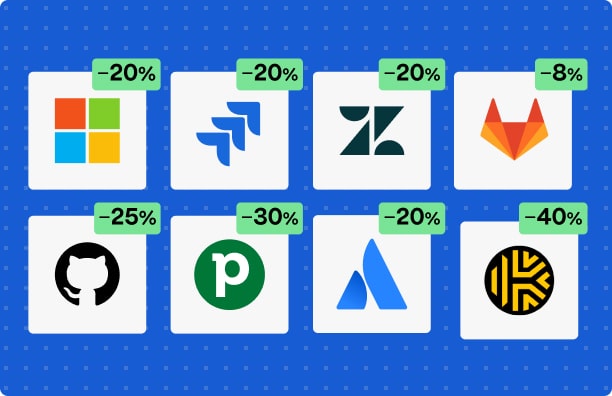
Spendbase specializes in all these areas. With insights from software audits, price benchmarking, and virtual card spend controls, some companies have cut SaaS and cloud bills by as much as 60%. If you want to maximize global team savings, explore how you can unlock further SaaS discounts and automate license management, starting with Spendbase’s discount marketplace.
With policy, process, and the right tools in place, Luxembourg startups can confidently build high-performing international teams—while always knowing where their euros go.

We can unlock discounts on 10,000+ tools you already use.
Conclusion
Luxembourg startups can unlock serious growth and savings by tapping into top talent from Ukraine, Georgia, and India. But real results come when you pair this global hiring strategy with smart spend control and clear oversight. SpendBase gives founders the clarity, automation, and negotiation power to keep every vendor, subscription, and payroll line in check.
Now is the right time to move past manual trackers and enjoy more savings with less admin. Discover exactly how SpendBase helps startups control workforce and software spend, and see how much your company could recover each quarter. Book a demo or consultation to take the next step—Luxembourg startups who act now free up more budget for the hires and product bets that truly matter.
Smart talent strategies work best when every euro is tracked and optimized. Ready to put your global team—and your spend—on a smarter path? Try SpendBase and start building the future without losing sight of your bottom line.


Get discounts on your team’s favorite apps
Find deals for 10%, 30%, or even 70% off in our discount marketplace.
Check Discounts