





Luxembourg Financial Tips
Why Your Luxembourg Startup Needs a Corporate Bank Account on Day 1 (and How to Open One Faster)

If you’re launching a startup in Luxembourg, a corporate bank account can’t wait. Investors, partners, and even government authorities see your banking setup as a signal that your business is open for real operations. Delaying this essential step risks more than lost time—it can undermine your company’s reputation, slow down compliance, and create costly bottlenecks that halt payroll, payments, or even your legal formation.
Luxembourg’s strict financial rules mean operating without a dedicated account will quickly become a headache. Compliance checks, proof of share capital, and professional cash flow tracking all start here. Since new ventures often encounter slow account approval or complex paperwork, it’s smart to look for ways to simplify and speed up the process.
With the right tools and guidance, startups can avoid administrative gridlock and focus on growth from day one. Platforms like Spendbase can make handling finance, expenses, and supplier payments smoother—helping Luxembourg businesses cut wasted time and costs, and build a trusted financial foundation.
The Immediate Benefits of a Corporate Bank Account
A corporate bank account is more than just a formality for new Luxembourg startups—it’s your operational launchpad. The moment your business signs on with a reputable bank, every transaction gets easier, safer, and more professional. Let’s explore why this move should be at the very top of your opening checklist.
Credibility With Clients and Partners
Showing potential clients and partners that your business has a dedicated account signals trustworthiness from day one. This simple step proves that you’re not just another idea—you’re a registered, cash-ready company. Investors, suppliers, and even early-stage customers are far more likely to work with a startup that handles money professionally rather than mixing things up with a founder’s personal account.
Smooth Capital Flow
Getting your first payments in—and paying your early bills—hinges on having designated company banking. Without an official account, transferring investor funds, paying share capital, or processing vendor invoices becomes a slow, messy process. A corporate account takes these speed bumps out of the way, letting money move in and out with zero confusion.
Consider some of the immediate uses for a startup bank account:
- Receiving funding from investors or grants
- Paying suppliers, freelancers, or software vendors
- Settling government fees (including share capital)
- Issuing and tracking payroll
Compliance and Reporting
Luxembourg has high regulatory standards for startups, which means your books have to stay clean and audit-ready from day one. Using a corporate bank account, every transaction is recorded and traceable for financial reporting, VAT filings, and audits. It’s the simplest way to avoid headaches if local authorities ever review your records.
Keeping compliant isn’t just about staying out of trouble; it also builds your credibility as a serious business in a tightly regulated market. Want more advice on making finance painless for your business? Platforms like Spendbase offer complete expense tracking and even automate most procurement workflows, giving you insight and control over every euro spent.
Instant Access to Modern Financial Tools
Today’s bank accounts come packed with features that make even early-stage startups feel like bigger players. Many enable virtual cards, automated payments, and multi-user controls right out of the gate. Pairing your corporate banking with a robust spend management platform means you can issue virtual cards, monitor every transaction in real time, and cut SaaS costs before they add up.
Spend management tools like Spendbase empower Luxembourg companies to:
- Get a clear snapshot of cash flow at any moment
- Eliminate manual expense tracking and automate approval workflows
- Prevent SaaS sprawl and avoid double-paying for inactive licenses
If your startup’s financial operations need to run smoother and smarter, spend optimization services make a real difference from the first week in business.
Fast-Tracking Growth
Opening your account early wipes away the biggest bottlenecks that slow down most new businesses. It lets you start testing new tools, paying overseas suppliers, and building your tech stack without red tape. With the right systems in place from the start, your team can focus on growth rather than paperwork or chasing missing receipts.
And if you’re weighing banking options for digital-first companies, check out resources like this guide to Estonian e-Residency bank accounts for strategies that can apply across Europe—including Luxembourg.
Startups that invest time in setting up proper banking and strong spend management don’t just avoid slowdowns—they turn their finance department into a real asset for rapid growth.
See how much you can save on your stack
Pick your team’s tools!
Click to select one or more tools.


What’s your company size?
Just click to select.
What’s your business email?
We'll send you calculations right away
The email is flying to your inbox!
Beyond discounts, you may qualify for up to $100K in AWS credits.

Common Pain Points When Opening a Corporate Bank Account in Luxembourg
Before your Luxembourg startup can streamline payments, pay vendors, or bring in investor funds, you’ll need a corporate bank account. But opening one often feels like a maze of hurdles—especially if you’re new to local rules and expectations. Navigating this process is key because delays or missteps here can slow your entire launch.

Photo by Romain de Tirtoff
Heavy Documentation Requirements
Luxembourg banks want to know who they’re dealing with. Be ready for a long document checklist. Startups are often asked for:
- Shareholder information and IDs
- Business plan and proof of address
- Source of funds and company structure documents
- Proof of local presence (sometimes even before you sign your first client)
Collecting and getting these documents certified adds days, sometimes weeks, to your setup. Missing just one detail can mean having to start over.
Unpredictable Approval Timelines
No matter how fast you work, the approval times rarely match your urgency. Banks in Luxembourg, like many in the EU, move at their own pace with thorough due diligence. A process that should take days can stretch to weeks if extra questions pop up or your documentation isn’t perfect.
These delays don’t just slow your banking—they can push back your ability to operate, pay staff, or sign contracts.
Bank Discretion and Rejection Risk
Banks in Luxembourg are under no obligation to take on every new startup. They can pick and choose their clients, especially if your business model feels risky, you lack a local network, or your founders reside outside Europe. Even after weeks of paperwork, a rejection is possible and not always explained clearly (read more on account eligibility).
Startups from outside the EU, companies with novel tech, or those dealing in cryptocurrency often face even more scrutiny.
Compliance, KYC, and Regulation
Strict anti-money-laundering (AML) and Know Your Customer (KYC) policies mean banks take a deep look at your company and everyone behind it. These compliance checkpoints add time, especially if your ownership is complex or international. Luxembourg’s status as a financial center means even simple accounts are closely examined, in line with guidelines detailed in Luxembourg’s banking laws.
Hidden Fees and Minimum Deposits
Even after approval, surprises can pop up. Banks may require minimum deposits, charge monthly account fees, or add costs for international payments. If your company is bootstrapping, these extra requirements can quickly drain your early runway.
It’s smart to compare bank offerings ahead of time—and know what every fee means for your budget and cash flow.
Language and Accessibility Barriers
Many banks offer services in English or French, but key documents or online portals may not always be fully translated. This slows things down, especially if your team isn’t multilingual or familiar with local finance terms.
Why Founders Turn to SpendBase for Relief
Once the paperwork and approval hurdles wear you down, spend management tools start to make sense—especially for founders who want a smoother route from initial banking to daily payments. Platforms like Spendbase give startups more than just control over expenses; they cut down on the hidden busywork that banks create.
With virtual cards, automated spend tracking, and clear reports, Luxembourg startups can:
- Control software and cloud expenses right from day one
- Track every transaction and catch overspending before it eats your budget
- Stay ready for audits, no matter how strict the documentation gets
Spendbase acts as your operational safety net, helping founders avoid small mistakes that turn into costly problems during bank reviews or compliance checks. The right tool won’t just get you past the bank’s hurdles faster—it will set your company up for cleaner, more confident growth. For a breakdown of must-have spend controls, check out Spendbase’s feature guide.
How to Accelerate the Process
If you want to hit the ground running in Luxembourg, every lost day waiting for corporate banking is a setback. Traditional account opening is known for red tape, compliance bottlenecks, and days of radio silence. Thankfully, new startup-friendly digital solutions now help founders start operating faster, while staying in control of every euro from day one. Making smart choices here can speed up everything from onboarding your first clients to getting quick spend approval for essential tools.
Consider Digital Banking and Virtual Cards for Immediate Access
 Photo by RDNE Stock project
Why let paperwork delays hold up your plans? Many Luxembourg startups now use virtual cards and digital-first banking to start spending and accepting payments, even before a traditional account is fully open. These tools offer instant approval, rapid setup, and no waiting for plastic to arrive. Startups can issue a new card for each vendor, giving flexible controls and easy spend tracking. It’s a smarter, safer way to manage company expenses right from the start.
Founders often face one major pain point: the gap between legal company setup and being able to actually pay bills, subscriptions, and vendors. With instant virtual cards, you get:
- Immediate access to funds for urgent business needs
- Separate cards for each software or vendor, helping prevent overspending
- Multi-currency support—ideal for modern Luxembourg businesses dealing across borders
Emerging digital card platforms are designed for fast-moving teams. Cards can be spun up in seconds so you’re always ready to activate new SaaS tools, pay online suppliers, or run marketing campaigns without hassle. For a detailed look at how these cards work and their benefits, check guides on instant virtual credit cards for businesses or see how providers like BILL and Stripe Issuing make it simple.
If immediate spending control matters to you, consider joining the virtual cards waitlist from Spendbase. This gives you early access to solutions crafted for European startups, along with cashback, streamlined approvals, and expense tracking from one dashboard.
Spendbase isn’t just for payments—it covers everything from SaaS benchmarking to vendor negotiations and admin automation. The result: more time for growth, less time fighting with bank paperwork. Explore how Spendbase’s procurement tools eliminate the usual chaos, helping founders get every purchase approved and tracked in minutes.
Founders who act fast with modern financial tools keep launch momentum high—they don’t just wait in compliance limbo. Take advantage of solutions built to move at your startup’s pace and keep your financial setup both compliant and nimble.
Why SpendBase Is the Solution for Luxembourg Startups
Luxembourg’s startup founders deal with complex banking, strict compliance needs, and mounting pressure to use every euro wisely. After pushing through paperwork and approval delays, what companies really need is a tool that gives control from the very first day. SpendBase steps in as a practical, all-in-one solution for startups that want security, savings, and smooth spend management right out of the gate.
SpendBase Virtual Cards: Security and Versatility
Modern startups can’t afford to gamble with company funds. SpendBase’s virtual card system addresses the real security concerns of handling payments and subscriptions—especially in Europe’s strict regulatory climate.
With SpendBase virtual cards, every transaction is protected. You get the power to issue a separate card for each SaaS tool, supplier, or business expense. If one card’s details are ever compromised, the rest of your finances stay untouched. These cards can be frozen, replaced, or limited with just a click. Unlike plastic cards, there’s no waiting for delivery or risking loss and theft from misplaced wallets.
The platform lets you:
- Set custom spending limits on every card, perfect for controlling each department’s budget
- Cancel or pause cards instantly, keeping fraud risks low
- Keep sensitive banking details hidden during vendor payments
Compared to physical cards, virtual cards offer stronger protections and flexibility.
Luxembourg businesses handling KYC checks, supplier payments, and online purchases will find this system much safer and easier to audit than old credit cards or manual reimbursement flows.
Success Stories and Product Innovation
SpendBase isn’t just theory—it’s helping real companies across Europe break past banking pain points and build smart, cost-saving operations. Take companies like Preply, which saved over $128,500 on SaaS expenses, or Lemon.io, whose CTO unlocked $100K in cloud credits. These results aren’t outliers. Over and over, SpendBase users talk about real savings, less admin work, and better control from day one.
Here’s what sets the experience apart:
- Transparent pricing and savings: No hidden fees, no confusing contracts, and a clear overview of every euro spent.
- Easy-to-use dashboards: Even non-finance staff can see spend, request cards, or track budgets with minimal onboarding.
- Automation that actually saves time: Automated procurement, approval workflows in Slack, and instant software audits—all in one place.
The platform continues to roll out new features focused on startup needs. The latest innovation is SpendBase’s expanded digital banking and virtual card offering, featured in their recent release: SpendBase’s latest digital banking and virtual card launch. This update gives Luxembourg startups fast access to banking-grade tools without the hours spent fighting bureaucracy. You can create and use as many cards as you need for different vendors or SaaS tools, and every transaction is trackable and export-ready for reporting or compliance reviews.
Startups that adopt SpendBase find they move from reactive fire-fighting to proactive planning. Procurement stops being a hassle, budgets stay visible, and every expense can be approved, tracked, and justified in seconds. For more about spend management, see the robust functionality SpendBase brings to SaaS management.
SpendBase turns the draining setup process in Luxembourg into a launchpad for financial clarity and savings—giving startups a serious edge when every resource counts.
 Photo by Kaboompics.com
Free virtual cards for non-EU residents
Open in 1 working day, issue 100 virtual cards, and get up to 1.25% cashback.
Get a free account
Frequently Asked Questions for Startup Founders
Sorting out banking in Luxembourg can feel like wading through dense bureaucracy, especially in the early days of your startup. Once you dive in, new questions pop up at every turn—from compliance checks to spending controls. Below, I’ll tackle the most common concerns founders raise during corporate account setup. I’ll also show how solutions like SpendBase step in to simplify what can otherwise eat up precious hours and focus.
 Photo by RDNE Stock project
What Documents Do I Need to Open a Corporate Bank Account?
Most Luxembourg banks will ask for several key documents up front. These usually include:
- ID for all founders and directors (passport or national ID)
- Company registration papers
- Business plan and proof of share capital deposit
- Address in Luxembourg, even if it’s a coworking office
- Details on company structure and ownership
- Source of funds and projected cash flow
Missing even one document can stall your application. To stay organized, create a checklist and put all paperwork in a shared folder for your founding team. For a complete walk-through, review the step-by-step guide to opening a business bank account in Luxembourg.
How Long Does Account Approval Take?
Timelines vary, but most founders should prepare for anywhere from a few days to a few weeks. If your situation is straightforward, with Luxembourg-based founders and clean documents, it often moves quicker. Startups with foreign directors, complex ownership, or unique business models (like Web3 or SaaS) are likely to face extra review.
If you want to avoid the worst delays, ready all your documents in advance and respond quickly to any extra requests from your banker. Learn more about typical timelines and what may cause slow-downs from this detailed Luxembourg business banking process guide.
Can a Non-Resident Founder Open an Account?
Yes, but banks carry out much deeper checks if your founders live outside Luxembourg or the EU. Some banks will require proof you plan to have a real local presence or meaningful operations in Luxembourg. Non-resident founders should expect to provide extra details about their history and business experience, and sometimes even travel for a face-to-face meeting.
Banks have no requirement to accept every application, so if you’re from outside the EU, it helps to work with an advisor or local partner. Consider reviewing official banking guidelines in the Your path to a successful bank account opening.
Are There Ways to Make Spending Control Easier Once the Account Is Open?
Traditional banking is often slow when it comes to real-time tracking or flexible approvals. This is where SpendBase shines for startups. After your account is open, you can:
- Set up virtual cards for each SaaS tool or vendor
- Automate spending approvals so team members don’t struggle with old-school paperwork
- Track every transaction in one dashboard, cutting hours out of month-end close
Unlike some options, SpendBase works right alongside your existing accounts and accelerates expense approvals for those in a hurry. For more on digital banking options for modern founders, check out the latest digital banking guide for startups.
What If My Application Gets Rejected?
Rejection can happen, often without a clear reason. Banks have the right to say no if they see risk, unclear business models, or compliance issues. If you’re declined, ask for feedback about what’s missing or unclear in your paperwork. Adjust your documents, build a stronger business profile, and consider choosing a bank that is known for working with international or startup clients.
SpendBase helps here, too: By organizing spending, building clean vendor records, and maintaining tidy, audit-friendly books, you improve your case with banks and investors alike.
Can I Use Digital-Only Banks or Virtual Cards While Waiting?
Many Luxembourg startups now combine traditional banking with digital-first solutions. Instant virtual cards can often be set up before your main account is fully operational, letting you make essential purchases and manage cash flow. These cards give you instant access, flexible spending controls, and simple separation of budgets by project or vendor.
SpendBase allows you to issue as many virtual cards as you need, each with unique controls and spending limits. This gives you a head start on financial management, even if the bank paperwork drags on.
How Does SpendBase Save My Startup Time and Money?
SpendBase takes on the painful admin and spend management that eats into your launch runway. Here’s how startups in Luxembourg get practical value right away:
- Centralized control: Bring all expenses, approvals, and invoicing into one place
- Automatic software audits: Spot inactive SaaS licenses and trim wasted spend
- Clear, real-time dashboards: Give founders and finance teams exactly what’s happening, live
- Negotiation power: SpendBase helps renegotiate contracts, tap into discounts, and pay only for what you really need
Success stories from companies across Europe show startups can save $100k or more in their first year just by fine-tuning how they track and approve spending. If you want practical advice from CFOs and proven fundraising strategies, see the Startup Fundraising Tips from CFO Experts.
Knowing answers to these questions upfront means no surprises as you open your corporate account—and you can use tools like SpendBase to turn every euro into real momentum for your business.

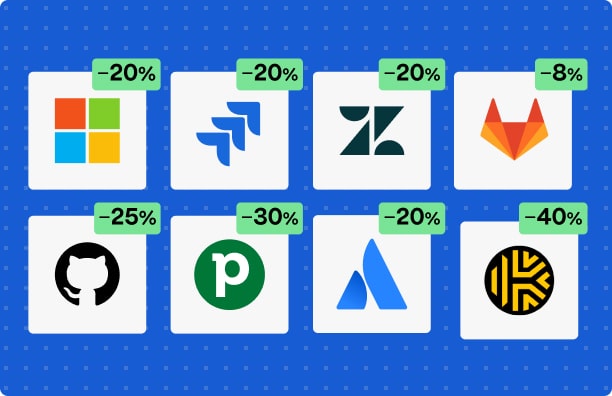
We can unlock discounts on 10,000+ tools you already use.
Conclusion
Waiting to open a corporate bank account in Luxembourg often means missing out on key opportunities, risking avoidable compliance setbacks, and making your first months of business harder than necessary. Every delay can stall your hiring, invoicing, and ability to prove credibility to partners and clients. The smartest founders secure their accounts and set up modern spend controls right away, putting their startups in the best position to grow fast and keep finances buttoned up.
You can avoid endless paperwork and approval holdups by acting early, organizing documents, and using digital-first financial tools built for startup speed. Spendbase stands out for Luxembourg companies wanting to cut setup headaches and stay compliant. All-in-one spend management with virtual cards, automated procurement, and real savings on SaaS means your company starts on solid ground.
Take the pain out of banking and expense workflows with a solution designed to handle Luxembourg’s strict requirements plus the pace of a real startup. Give your business the clarity, savings, and security it deserves—sign up with Spendbase and let your finance operations empower your growth from day one.
Thanks for reading—your startup’s strong financial foundation begins with your next step.


Get discounts on your team’s favorite apps
Find deals for 10%, 30%, or even 70% off in our discount marketplace.
Check Discounts