




Spend management
Virtual Banking Fees in Ireland: Transparent Costs and Hidden Charges [2025 Guide]

Understanding these costs has never been more important for founders, finance leaders, and anyone managing company spend. From transaction charges to currency conversion fees and monthly account costs, every euro saved counts as your business grows. This guide compares leading Irish business banks and top digital alternatives, highlighting their true costs so you can make smart financial choices.
We’ll break down the real pros and cons of each provider, helping you avoid the most expensive pitfalls. Spendbase stands out by blending spend management, procurement, and exclusive discounts—so you can control fees and keep more cash for growth. Ready for clarity? Let’s shed light on the real price of virtual banking fees in Ireland.
Check out a detailed comparison of leading banks and Top Virtual Banks in Ireland 2025 to start with confidence.
Decoding Virtual Banking Fees in Ireland
 Photo by Jakub Zerdzicki
Virtual banking promises convenience for Irish businesses but only if you know what lies beneath the surface. Many providers shout about zero maintenance fees or quick account set-up, but the devil is in the detail. From transaction and FX costs to account opening or withdrawal charges, here’s what every finance leader should look out for. Let’s break down how the main players stack up and where hidden costs could quietly eat away at your budget.
Traditional Bank Fees: A Necessary Tradeoff?
Traditional Irish banks like Allied Irish Banks (AIB), Bank of Ireland, and Permanent TSB have deep roots and widespread branches. For startups, these banks often highlight fee waivers but include qualifying criteria and time limits.
- AIB: Their Business Start-up Current Account waives maintenance and basic transaction fees for two years. There’s a €100 discount on cash handling, but international payments come with higher charges (1.75% of euro value). After the honeymoon period, standard fees for maintenance and transactions apply. While their digital tools lag behind neobanks, AIB stands out for lending services and business support.
- Bank of Ireland: You get two years without account maintenance or transaction fees, but standard fees kick in after. International transfers, bulk payments, and detailed statements may cost extra. Their platform is praised for personal touch and business resources, yet digital experiences draw mixed reviews. See their detailed fee list for the latest costs.
- Permanent TSB: Focused on personal relationships, this bank offers direct support and a dedicated business team. While online services exist, transaction and quarterly charges apply. Their lending product range is a real plus for startups looking for flexible financing options.
These providers are often the right fit for startups needing branch access, in-person advice, or tailored lending facilities. The tradeoff is clear: more personal support but higher, often less transparent, banking fees over time.
Digital-First & Neobank Costs: Transparency and Flexibility
Digital-first banks such as Wise, Revolut Business, N26, and Bunq have surged in popularity for their transparent fee structures and flexibility—especially attractive to tech-savvy founders and finance teams.
- Wise Business: Known for transparent international fees, Wise charges a one-off €50 setup fee, offers mid-market exchange rates, and charges from 0.48% per transfer. No monthly account or card maintenance costs appeal to global businesses. However, Wise does not provide loans, overdrafts, or cheque/cash deposits.
- Revolut Business: Features flexible tiered plans, starting at €10/month. International transfers are often cheaper than banks, with currency exchange at near-interbank rates. Revolut’s multi-currency accounts and integrated expense tools are a big draw, though any loan or overdraft needs must be handled elsewhere. Bulk payments and FX tools are restricted to higher-priced plans, so check which tier fits your usage.
- N26 Business: With a mobile-first focus, N26 offers a free standard account for freelancers, including cashback. No classic business loans or overdrafts for Irish accounts. All business transactions—other than Eurozone payments—could be more expensive. Cash withdrawals and ATM access are capped.
- Bunq: Emphasizes user experience and sustainability. Plans suit sole proprietors and small Ltds who value efficiency and automation. Bunq does not offer business credit or loans, and cards need repeated manual top-ups.
Zero-fee marketing from digital providers isn’t always the whole story—many reserve some critical services behind higher monthly tiers and lack classic credit facilities.
For more on comparing Irish business accounts, visit this ranking of business accounts for startups.
Key Fee Types to Watch Out For
Every provider sets its own pricing logic, but a few types of fees repeat across the market:
- Account Opening and Monthly Fees: Some, like Wise, charge a small opening fee. Others offer free accounts for start-ups—but usually just for a limited period.
- International Transfer Fees: Digital banks often have variable FX rates and flat fees, while traditional banks may layer on higher, less-competitive rates.
- Card Issuance and ATM Use: Expect to pay set fees for physical card issuance with digital products; ATM fees (for cash withdrawals) vary widely.
- Bulk and Automated Payments: Batch payment support is usually a premium feature, with some providers limiting access to paid tiers or larger businesses.
- Cash Handling & In-Branch Transactions: Traditional banks typically charge for these, while digital banks often skip them entirely.
Comparing details side-by-side is vital—use resources like the Best Current Accounts in Ireland for up-to-date listing of key fees.
The Spendbase Advantage: Breaking the Fee Mold
While virtual banking fees in Ireland can feel like a minefield, platforms like Spendbase flip the script. Instead of layering on costs, Spendbase bundles spend management, integrated procurement workflows, and exclusive SaaS and cloud discounts—backed by zero hidden banking fees for most users.
You only pay a 25% success fee on actual savings generated, so the focus is firmly on supporting your bottom line, not draining it. Spendbase is especially strong for scaling SMEs who want to manage payments, SaaS subscriptions, and company cards all in one place.
See how Spendbase compares in our full breakdown of all features and benefits.
Quick Pros & Cons Comparison
Here’s a summary of Ireland’s top virtual and business banking options, with key pros and cons for scaling businesses:
- AIB: Strong for lending and in-person support; digital experience and international fee structure are weaker.
- Bank of Ireland: Competitive for early-stage startups, with deep branch access and advisory support; standard fees post-waiver and some digital limitations.
- Permanent TSB: Personalised local support and broad lending products; digital features do not always match leading neobanks.
- Wise Business: Transparent, low international fees, and great multi-currency support; no loans, overdrafts, or cash/cheque deposits.
- Revolut Business: Great user experience and spend tracking; advanced features can get pricey and lacks business lending.
- N26: Free tier and top mobile app; no company accounts, loans or overdrafts for Irish users.
- Bunq: Fast digital account setup and sustainability focus; no lending or credit, limited to prepaid card usage.
- Spendbase: Combines banking, spend management, and SaaS optimization; no surprise fees, and unique focus on savings and transparency. Learn more about Spendbase’s digital banking tool for startups.
For a deeper dive into pricing, features, and savings strategies—especially on SaaS and cloud costs—explore Spendbase’s software and cloud discount solutions.
By understanding every charge before you commit, your business can dodge hidden costs and keep more cash on hand to grow.
See how much you can save on your stack
Pick your team’s tools!
Click to select one or more tools.


What’s your company size?
Just click to select.
What’s your business email?
We'll send you calculations right away
The email is flying to your inbox!
Beyond discounts, you may qualify for up to $100K in AWS credits.

A Clear Breakdown of Business Virtual Banking Fees by Provider
When running a business in Ireland, keeping a close eye on costs—especially virtual banking fees—is as important as finding new customers. Each provider takes a different approach, which can create confusion and added expense. Some charge simple monthly fees, others tack on extra costs for transfers or special services. Below is a breakdown of what you really pay (and save) with each major provider in Ireland, so you can make the smartest choice for your bottom line. To cut the long story short – Spendbase provides probably the lowest fees for virtual banking services in Ireland.
Spendbase: Optimizing SaaS & Cloud Spend
Platforms like Spendbase stand apart by focusing on what matters most to scaling businesses: savings, transparency, and control. Spendbase blends AI-powered spend analysis, vendor negotiation support, and flexible virtual cards into a single platform. Here’s where the platform shines:
- AI Spend Analysis: Instantly pinpoint overspending by tracking every euro that leaves your business through SaaS and cloud subscriptions. No more bill shock.
- Vendor Negotiation: Tap into expert negotiation support when renewing or buying software, aiming to cut costs without sacrificing quality or features.
- Virtual Cards: Issue custom virtual cards for every SaaS or team expense. Gain real-time visibility and avoid messy accounting headaches.
- Procurement Automation: Streamline buying and approvals with built-in procurement workflows.
- No Surprise Banking Fees: With Spendbase, you only pay a 25% success fee, and only when you actually realize a saving. That means your motivation and Spendbase’s are perfectly aligned.
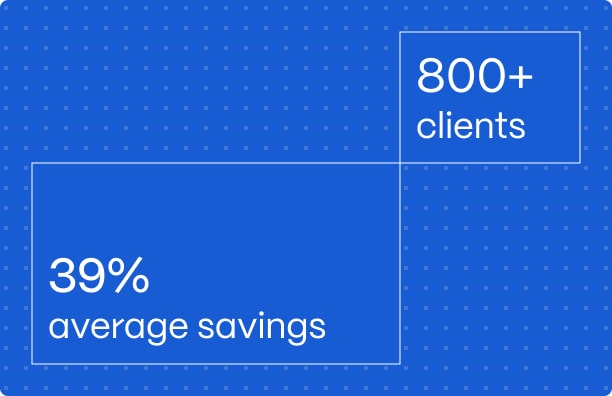
On average, clients save up to 39% on software and cloud bills. These features have earned Spendbase a strong following among startups and growth-stage companies looking to outsmart rising costs. For a broader look at digital-first banking, check out the 2025 guide to virtual banking in Ireland.
Bank of Ireland
Bank of Ireland is a trusted name for businesses needing wide reach and local support. Yet, their fee structure can become expensive outside of promotional waiver periods.
Key features include:
- Two-Year Waiver: New business current accounts enjoy zero daily banking fees for the first 24 months.
- Standard Charges: After the waiver, expect charges for account maintenance (€6/month), automated transactions (20c each), and manual items like cheques (60c each).
- International Transactions: Fees for foreign payments can add up quickly, so global businesses should watch this closely.
- Account Support: Local relationship managers offer guidance for companies that value personal service.
For up-to-date details, review Bank of Ireland’s latest fees and charges breakdown.
AIB Group
AIB is a popular pick for startups thanks to its support network, but like other traditional banks, the hidden costs add up after the honeymoon phase is over.
- Fee Waiver: The Business Start-Up Current Account comes with a two-year fee holiday—great for new companies.
- Ongoing Fees: After two years, AIB applies a €7.50 per quarter maintenance fee, plus varying charges on overdrafts, cash handling, and transactions.
- International Fees: Outgoing international payments in euro are hit with a 1.75% charge.
- Digital Tools: Their platform’s digital experience is passable, but typically behind neobanks.
Read AIB’s published fees and charges for complete transparency.
Permanent TSB
Permanent TSB suits those who want direct, human support. Fees here are simple but can rise fast with regular use.
- Quarterly Account Fees: €3.18 per quarter, plus 30c per transaction.
- Cash Handling: Extra fees for lodgements, withdrawals, and payments—expect more if you deal heavily in cash.
- Personal Service: Account advisers are more accessible for one-on-one support than most digital providers.
Businesses considering Permanent TSB should weigh higher ongoing costs against the value of the personal touch.
Revolut Business
Revolut Business is known for its slick digital platform, but businesses should review the fine print before committing to a tier.
- Pricing Tiers: Free starter plan (limited features), €10/month Grow plan, and higher tiers with bulk payments and advanced tools.
- Currency Exchange: Interbank rates apply within your plan’s FX allowance. Fees start after your monthly limit.
- International Payments: Generally cheaper than traditional banks, but not always free outside allowed quotas.
- Integrations: Expense tracking and API access suit fast-moving finance teams.
The right plan can save money, but review Switcher’s current account comparison for insights about hidden fees and ATM charges.
Wise Business (Payment Inst.)
Wise Business is a strong choice for companies that move money internationally or need multi-currency support without frills.
- One-Time Set-Up: €50 for opening your Wise Business account.
- Transparent International Fees: Transfers from 0.48%, using the real exchange rate. No hidden margin.
- No Monthly Charge: No recurring account maintenance or card fee.
- Limitations: No overdrafts, loans, or cash/cheque deposits.
Wise fits tech-driven companies and remote teams needing global reach without heavy features. Review all details before switching if you need classic banking extras.
N26 Business
N26 appeals to freelancers wanting simplicity, but features for Irish companies are more limited.
- Free Basic Account: No monthly fees for the standard account.
- ATM Withdrawals: Up to five free/month in euros, then €2 per withdrawal.
- Cashback: 0.1% cashback on purchases helps offset minor fees for everyday use.
- Missing Features: No overdrafts, loans, or business accounts for registered companies in Ireland.
N26 makes sense as a personal account or for sole traders that care about user experience more than extras.
Bunq
Bunq combines user-friendly controls with a green ethos, catering to tech-savvy sole proprietors and small firms.
- Flexible Pricing: Multiple tiers, with features scaling up based on business needs.
- Cash Limits: Prepaid cards and cash withdrawal caps encourage digital-first use.
- No Lending or Credit: The platform won’t suit firms needing overdrafts or loans.
- Automation: Advanced financial automation and easy virtual card creation fit highly digital teams.
Bunq is best for modern, environmentally-aware businesses who value efficiency over traditional lending services.
Each of these providers brings something different to the table. Spendbase remains the best contender if you need robust spend management, built-in procurement, and deep SaaS and cloud savings—all while gaining full fee transparency. For a closer look at how pricing works, see SpendBase pricing plans.
 Photo by Jakub Zerdzicki
How to Minimize Hidden Costs and Optimize Your Fee Structure
Hidden banking fees can slowly drain your budget, especially when you’re scaling up and every euro matters. While Ireland’s virtual banking scene promises clarity, the reality is that charges often appear where you least expect: in currency conversions, card replacements, or even automated payments. Understanding, controlling, and ultimately reducing these costs is critical for anyone managing business finances. Let’s break down how to unmask those sneaky charges and build a smarter fee structure for your company.
 Photo by Pixabay
Identify Where Hidden Costs Lurk
The first step in staying fee-smart is knowing where banks and digital platforms typically slip in extra charges. Even with providers who claim “zero monthly fees,” you might face less-obvious costs in the form of:
- International payment fees (often a % of the transfer amount)
- Premium features gated behind higher-priced plans
- Card issuance or replacement costs
- ATM withdrawal fees after a set limit
- Batch payments and bulk transfer surcharges
- Poor exchange rates padded against the real market rate
To get serious about minimizing costs, track all outgoing fees for a few months. Many leading banks, like AIB and Bank of Ireland, offer fee breakdowns on your monthly statements, so review these carefully for surprises. Using a comparison checklist, such as the one found in Spendbase’s Best Virtual Banks in Ireland 2025, can keep your review transparent.
Choose Banks with Transparent, Predictable Pricing
When evaluating your next provider, focus on transparency and scalability above all else. Here’s what separates the best from the rest:
- Clear Fee Schedules: Top performers like Wise Business share detailed breakdowns of what every transaction will cost upfront.
- Waived or Capped Charges: Look for providers that waive basic fees for the first 1-2 years (AIB, Bank of Ireland), letting you build momentum before major costs kick in.
- Tiered Plans that Make Sense: Providers like Revolut Business allow you to align your feature needs with your fee appetite. Upgrade only when the savings or productivity justify it.
- Competitive Exchange Rates: If you handle global payments, always compare the real exchange rate to what your bank is offering, as discussed in resources like the best online bank for overseas banking.
Take Advantage of Spend Management Tools
The best way to squash hidden fees is not just to monitor them but to automate spend controls. This is where platforms like Spendbase lead the field:
- Spend Visibility: Use real-time analytics to instantly spot irregular or excessive charges.
- Virtual Cards: Issue virtual cards per vendor or SaaS tool to help isolate and audit spending, keeping rogue spend in check.
- Automated Approvals: Eliminate approval bottlenecks or duplicate purchases by using flexible, rules-based procurement flows.
- Shadow IT Detection: Uncover hidden SaaS subscriptions or unused software licenses that quietly chip away at your budget.
Learn more about controlling SaaS and cloud expenses with spend optimization features purpose-built for Irish finance leaders.
Use Multi-Currency Accounts Wisely
If your business deals internationally, multi-currency accounts can keep currency conversion fees low and simplify your cross-border operations. Top digital banks support accounts in euro, GBP, and beyond.
- Multi-Currency Savings: Platforms like Wise, Revolut Business, and Spendbase offer accounts and transfers in dozens of currencies at—or near—the mid-market exchange rate.
- Avoid Double Conversion: Always pay suppliers in their home currency when possible.
- Integrate with Payment Processing: Streamline collections and payments with tools outlined in multi-currency best-practice guides like this ultimate Ireland payment processing guide.
Regularly Review and Benchmark Your Current Spend
Don’t just “set and forget” your banking relationship. Annual fee and service reviews keep your setup competitive:
- Audit your statement for creeping costs or unexplained charges.
- Benchmark your rates and terms against both traditional banks and digital-first providers.
- Use savings calculators and optimization audits (like Spendbase offers) to estimate potential savings and know when it’s time to switch.
For extra ways to boost your bottom line, explore price optimization tactics used by forward-thinking businesses in this guide on unlocking margin.
Why Spendbase Remains the Best Bet
Spendbase is unique in that the platform’s incentives are directly aligned with your savings. Instead of layering on hidden banking costs, it bundles SaaS management, procurement, and exclusive software discounts under a single fee structure: you pay a 25% success fee, only from the money you actually save.
- Enjoy robust spend controls, instant fee transparency, and real-time optimization right from your dashboard.
- No setup fee for the first 100 customers—and zero recurring banking charges.
See all that Spendbase offers, including digital banking tools tailored for startups and scale-ups, on the Spendbase digital banking overview.
Quick Checklist to Optimize Your Fee Structure
Using a few simple principles, you can dodge most unnecessary charges and keep control over your banking costs:
- Compare providers using detailed, up-to-date tables and side-by-side breakouts.
- Automate spend management where possible.
- Always look for waived-fee periods, but plan for what happens after.
- Regularly benchmark your rates and switch if a better deal exists.
- Use multi-currency accounts to avoid FX losses on international business.
Being proactive means letting data and automation work for you, not just chasing after last month’s statement.
Minimizing virtual banking fees in Ireland isn’t just about picking a bank with a catchy ad. It’s about rigorous habit, the right tech, and working with partners focused on helping your business keep more of every euro.

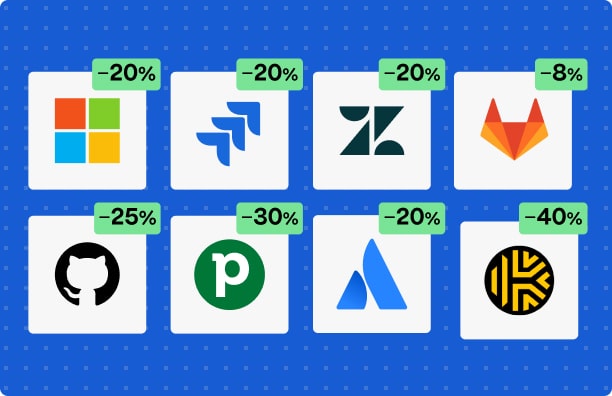
We can unlock discounts on 10,000+ tools you already use.
Conclusion
Fee transparency is the real differentiator when it comes to virtual banking fees in Ireland. Our breakdown shows how every provider—traditional banks like AIB, Bank of Ireland, and Permanent TSB, as well as digital-first options like Wise, Revolut Business, N26, and Bunq—carries both unique strengths and potential pain points.
Traditional banks offer in-person service and lending but bring higher costs and patchier digital tools. Digital banks provide real-time insights and clear pricing yet often lack business lending and sometimes hide the best features behind premium tiers. Spendbase stands out among these choices by focusing on spend management, procurement ease, and SaaS discounts, letting finance leaders truly control costs without the worry of hidden fees.
Choosing wisely comes down to ongoing review and making sure your banking solution fits your growth stage and financial priorities. Prioritize platforms that put clear cost control at the center. For a deeper look at related solutions that help cut SaaS and cloud waste, check out smart solutions for finance teams.
Smart banking decisions start with getting the right data, and your vigilance pays off. Thanks for reading—keep sharing your experiences and insights so the whole finance community stays a step ahead.


Get discounts on your team’s favorite apps
Find deals for 10%, 30%, or even 70% off in our discount marketplace.
Check Discounts