




Spend management
Virtual Cards in Slovakia: The Complete Guide for Finance Leaders and Modern Businesses (2025 Edition)

With card taxes on the rise, finding the right virtual card provider isn’t just about convenience—it’s about protecting your margins and making better financial decisions. The new 0.4% payment tax means even small inefficiencies add up quickly. Economists like Michal Horváth, advisory member to the Slovak government, point out that automation and better spend tracking are now “key tools for companies trying to stay lean under new tax pressure.” The government argues these changes encourage transparency, but most businesses feel the real effect on their bottom lines.
Local banks offer basic virtual card products, but their features, pricing, and spend controls differ widely. For growing teams and tech-forward leaders, using a provider like Spendbase stands out. Spendbase combines virtual cards, spend management, software discounts, and procurement help—all tailored for small and medium businesses that need to do more than just pay the bills. If you want deeper cost control or a broader review of rising costs, check out Overcoming card taxes in Slovakia for a practical breakdown.
As more leaders prioritize efficiency and smarter spending, understanding your virtual card options can set your company ahead of the curve.
Why Finance Leaders in Slovakia Are Turning to Virtual Cards
In Slovakia, a wave of finance leaders is swapping traditional cards for digital alternatives. It’s not just about following a trend—these professionals are navigating higher card taxes, tighter regulations, and mounting pressure to track every euro with care. With the recent 0.4% tax on card payments, even a few inefficient transactions can chip away at profits. Growing companies want to simplify how they pay, keep costs down, and stay agile as tax rules evolve. Virtual cards are stepping up as the tool of choice.

Photo by PNW Production
The Tax Squeeze: Why Traditional Cards No Longer Stack Up
Slovakia’s finance community received a real shake-up with the government’s decision to raise credit card taxes. A new tax of 0.4% on outgoing business card transactions and 0.8% on cash withdrawals (no cap) means higher fees for every card swipe.
According to economist Michal Horváth, these policies push for greater transparency—but, as he told the press, “the practical outcome for businesses is extra pressure on their margins.” Local companies are watching their monthly costs creep up quickly because of these changes. If you want specific strategies to manage these challenges, it helps to see how others are already responding. How to overcome card taxes in Slovakia breaks down the impact in simple terms.
Comparing Local Virtual Card Providers
With tax rules on the upswing, the right virtual card can protect your bottom line. Here’s a look at top contenders in the Slovak market:
- Slovenská Sporiteľňa: Slovakia’s biggest bank offers basic virtual card services. You can create cards in minutes via their mobile app, set basic spending limits, and quickly block or unblock cards. Fees are generally modest, but additional controls are limited.
- Tatra banka: As a digital frontrunner, Tatra banka has introduced NFC-enabled business cards that combine contactless ease with mobile-first features. However, advanced spend tracking and real-time analytics await development. You can learn about their latest move to digital NFC cards in their press release.
- Prima Banka: Known for easy account onboarding, Prima Banka’s virtual card is straightforward. It does the job for simple purchases but lacks customizable controls, analytics, or global payment flexibility.
These banks offer solutions at familiar price points, but most lack the software integrations, automation, or vendor management features modern companies need.
Why Spendbase Is the Standout Choice for Modern Companies
Many scaling businesses need more than just a card—they need an all-in-one platform that can optimize every euro.
Spendbase is designed for today’s pace:
- Up to 100 virtual cards per company, each with budget controls.
- Instant card issuance, real-time spend tracking, and easy blocking.
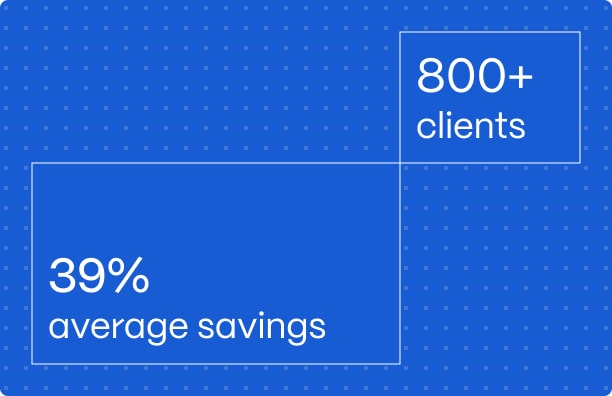
- SaaS and cloud spend optimization is built-in, helping teams slash up to 39% off software bills.
- Automated procurement, price benchmarking, and contract negotiation features save teams time and money.
- Full spend and compliance automation to reduce risk and staff workload.
Unlike local banks, Spendbase puts expense management, vendor negotiation, and spend analysis in one place, so you don’t just dodge high taxes—you find new ways to save and scale.
Explore more about modern spend controls with the Spendbase platform.
Driving Strategic Decisions: Visibility, Control, and Compliance
Virtual cards in Slovakia aren’t only about dodging fees. Finance leaders want to see every expense as it happens. Card-specific controls make it easy to:
- Tag expenses to projects, employees, or vendors.
- Set weekly or monthly limits to enforce policy.
- Instantly revoke or reissue cards for subscriptions, travel, or one-time needs.
With the right tool, real-time analytics reveal savings opportunities and cut back on lost receipts or rogue spending. This level of control makes audits less stressful and budgeting more exact, which is why virtual cards have become essential for advancing a company’s finance strategy.
Want to dive deeper into managing software subscriptions with virtual cards? Check Spendbase’s advice on SaaS management for finance and IT leaders.
Adapting to Slovakia’s Regulatory Environment
Staying compliant is simpler when tax reporting and spend limits are automated from the start. As government policy keeps shifting, tools that handle these rules let finance teams focus less on paperwork and more on planning ahead.
Slovakia’s digital economy is growing rapidly and the government’s strategy is matched by a surge in digital networks and services (here’s a closer look at the national approach). Virtual cards help businesses stay nimble in this new environment.
Key Takeaway: Finance leaders in Slovakia are leaving legacy payment tools behind. Virtual cards—especially all-in-one platforms like Spendbase—are helping companies cut avoidable taxes, improve forecasting, and compete in a more regulated world.
Learn more about adapting your finance operations in Slovakia with the guide to overcoming card taxes.
See how much you can save on your stack
Pick your team’s tools!
Click to select one or more tools.


What’s your company size?
Just click to select.
What’s your business email?
We'll send you calculations right away
The email is flying to your inbox!
Beyond discounts, you may qualify for up to $100K in AWS credits.

Comparing Top Virtual Card Providers: Slovenská Sporiteľňa, Tatra banka, and Prima Banka
The push for smarter company spending in Slovakia has put virtual cards in the spotlight. While new platforms are raising the bar, local banks—Slovenská Sporiteľňa, Tatra banka, and Prima Banka—still shape much of the corporate card landscape. Each has unique strengths, but their differences can impact speed, control, and long-term costs for any business. Here’s a closer look at what each provider offers today and how they stack up in a rapidly evolving market.
Slovenská Sporiteľňa: Digital Banking Leadership in Slovakia
Slovenská Sporiteľňa, Slovakia’s largest bank, is known for its wide branch network and a growing roster of digital services. Their virtual cards are easy to order through the mobile app and can be created for one-time or ongoing business purchases. For finance leaders, the platform’s main draws are:
- Quick card setup: Create and activate a new virtual card in just a few clicks.
- Essential spend controls: Set primary limits to prevent budget overruns.
- Simple blocking and unblocking: Instant freeze options offer direct risk reduction.
The interface is clear, and everyday features like card re-issuance or blocking are streamlined for busy teams. However, experienced finance managers may notice that advanced analytics, deeper expense categorization, or more granular card controls are missing. This makes Slovenská Sporiteľňa a good fit for companies who want simplicity and trust established banks, but may frustrate those needing tight compliance or granular control.
Recent banking reports and the Slovak government’s focus on digital banking have helped Slovenská Sporiteľňa lead in mass adoption. Still, as tax changes lift operating costs, the lack of built-in optimizations can mean higher fees add up over time—especially with the 0.4% card tax now in effect for every transaction.
Tatra banka: Innovation and Corporate Focus
Tatra banka is often seen as the choice for companies that want leading technology without stepping outside the local banking system. They were early adopters of contactless and NFC-enabled business cards, integrating cutting-edge payment tech into their business banking. What Tatra banka brings to the table:
- NFC-enabled virtual cards: Use digital wallets and mobile devices for seamless payments.
- Modern security: Every virtual card uses up-to-date encryption and instant blocking to prevent fraud.
- Corporate banking features: Designed for businesses with multiple users and multi-level approvals.
Tatra banka keeps its focus tightly on innovation in corporate banking and has received awards for its customer-facing technology. Yet, some finance teams find gaps: missing real-time analytics, lack of automation, and limited spend management integrations. While digital card issuing works well, managers who want customizable reporting or automatic expense tracking should be aware of these limits.
Notably, the broader Slovak business community is still catching up to features that are standard in global finance tools. Economists such as Michal Horváth note that “automation and better spend tracking are now key tools for companies trying to stay lean under new tax pressure.” In this area, Tatra banka is progressing, but digital-first startups and SaaS-heavy companies may outgrow these tools quickly.
Prima Banka: Accessibility and Competitive Pricing
Prima Banka has carved out a reputation for simplicity and speed. It’s a popular option for businesses that want to open an account and start making payments with minimal friction. The virtual card product matches this philosophy:
- Fast onboarding: Businesses can open accounts and issue virtual cards quickly, appealing to founders and fast-moving teams.
- Straightforward interface: Easy to use, with basic controls to keep spending in check.
- Competitive fees: Generally offers one of the lowest entry points for Slovak business cards.
While competitive on price, Prima Banka’s offer comes with trade-offs. Unlike its larger rivals, Prima Banka’s virtual cards come with fewer analytics, less customizable spend controls, and basic integrations at best. The platform is fit for businesses with simple needs—like making online purchases or covering basic subscriptions—but might struggle as a company’s finance operations grow more complex.
If you’re comparing for overall value, Prima Banka delivers on accessibility and cost. But for finance leaders aiming to optimize SaaS spend, automate procurement, or track costs by project, the lack of deeper controls and integrations may prompt a search for more advanced digital solutions.
For companies that want to go beyond what local banks can offer, Spendbase provides not only virtual cards but also a complete spend management suite. Its focus on automation, vendor management, and SaaS savings fills many of the gaps left by bank offerings. For a detailed look at the benefits, see what to look for in digital spend management software features.
 Photo by Tima Miroshnichenko
Don’t forget: higher payment taxes now affect every transaction in Slovakia. For strategies to reduce that impact, review this detailed breakdown on how to overcome card taxes in Slovakia.
Local banks offer stability, but modern spend control, compliance, and automation matter more than ever—especially as costs and regulations continue to rise.
Modern Alternatives: Spendbase and International Platforms
The search for the right virtual cards in Slovakia goes beyond banks. Tech-driven tools have redefined how modern businesses manage expenses, control SaaS subscriptions, and track vendor payments. While local banks aim to meet new regulations and rising card taxes, new international competitors offer extra control, flexibility, and automation. For finance leaders who want more than just digital payment options, platforms like Spendbase lead the pack with integrated tools and smarter spend management features.
Spendbase: AI-Driven Spend Management and Virtual Cards
Spendbase isn’t just a virtual card provider—it’s an all-in-one spend management solution designed for rapid-growth businesses. With its roots in Ukraine and a growing global reputation, Spendbase empowers teams to cut complexity, track every euro, and reclaim lost budget in software and services.
- AI-powered insights spot wasteful spending in real time. The platform continually analyzes transactions, flagging unused subscriptions and potential savings.
- Procurement automation speeds up purchasing and centralizes supplier communication. This reduces bottlenecks, saves time during audits, and helps negotiate better deals.
- Virtual cards at scale: Issue up to 100 virtual cards per company, each with custom controls—set limits for teams, block or unblock instantly, and tag by project or vendor.
- SaaS and cloud optimization: Spendbase focuses on helping businesses shrink their software bills, often by as much as 39%. With built-in AI, it tracks license usage and suggests the best plan or tool for your needs.
- Effortless compliance and tax reporting: Automated workflows make it easier to follow Slovakia’s evolving finance rules.
Nearly 400 companies have adopted Spendbase for its level of insight and simplicity. The result? A platform that goes far beyond what traditional banks offer.
For a deeper breakdown of Spendbase’s digital features, see what features to look for in a digital spend management software.

Photo by PNW Production
Comparing Spendbase to Slovak Banks: Pros and Cons
With higher payment taxes in Slovakia, the differences between Spendbase and traditional banks matter more than ever. Local providers like Slovenská Sporiteľňa, Tatra banka, and Prima Banka still hold much of the corporate card market, but their virtual card features can’t match Spendbase’s automation and controls.
Here’s how they stack up:
Spendbase Pros:
- Advanced spend controls: Card creation, blocking, and tagging are instant. Each card can be tied to a project, employee, or department.
- Automated SaaS management: Unique tools help finance teams cancel unused subscriptions and consolidate license spending.
- Global payment flexibility: Spendbase is ideal for multi-currency transactions, supporting international vendors and remote teams.
- Full transparency: Real-time dashboards let finance leaders see every payment as it happens.
Spendbase Cons:
- Newer to Slovakia: While trusted by hundreds of firms from tech to SaaS, Spendbase is less familiar than the country’s top banks.
- No physical branches: All operations run online, which may be a shift for teams used to in-person support.
Slovak Banks Pros:
- Brand familiarity: Long-standing local brands offer comfort and established trust.
- Physical branches: Immediate in-person service is available, useful for traditional businesses.
- Regulatory fit: All solutions comply tightly with local laws and regulations.
Slovak Banks Cons:
- Limited spend controls: Most banks offer basic card settings but lack the custom tagging, analytics, or automated alerts found in Spendbase.
- Few integrations: Local banks struggle to match SaaS or cloud optimization tools.
- Manual compliance: Expense reporting and auditing remain mostly manual, increasing risk of errors.
Recent comments from Slovak government advisors, like economist Michal Horváth, highlight the need for smarter automation: “The practical outcome for businesses is extra pressure on their margins. Automation and better spend tracking are now key tools for companies trying to stay lean under new tax pressure.”
If you’re comparing the full market, see this roundup of all virtual card providers in Slovakia for more international options.
Key takeaway: Finance leaders aiming to cut costs, save on taxes, and stop SaaS sprawl need more than basic payment cards. For those ready to optimize spending, Spendbase fills gaps banks can’t reach. For help with tax strategy, review this guide on overcoming card taxes in Slovakia.
How to Choose the Best Virtual Card Solution for Your Business in Slovakia
Selecting a virtual card solution in Slovakia is a strategic move, especially now that business card taxes have gone up and regulations are changing rapidly. Finance leaders, founders, and anyone managing costs need tools that not only dodge extra fees but also boost visibility and help your team stay compliant. This section breaks down what really matters—from safety to day-to-day use—and shows how to build modern virtual cards into your finance stack.

Photo by Monstera Production
Key Selection Criteria: Security, Fees, and Usability
Choosing a virtual card in Slovakia is about more than ordering a digital card number—it’s about finding a fit for your business goals, security needs, and workflow. Consider these critical points as you make your shortlist:
1. Security
Local cyber threats aren’t slowing down, and card fraud is still a major risk for Slovak companies. Top virtual card providers encrypt card details, enable instant blocking, and offer two-factor authentication. Tatra banka leads with built-in encryption and mobile-first online controls, while Spendbase’s platform uses AI monitoring for early warning on suspicious transactions. Look for providers that offer:
- Instant card freeze and revoke options.
- Granular card controls per user and project.
- Strong encryption and secure mobile apps.
- Alerts for all card activity, not just end-of-month summaries.
2. Fees and Total Cost
Slovakia’s new 0.4% card tax means even small fee increases can snowball, as economist Michal Horváth has warned. Scrutinize fee structures:
- Monthly or annual platform costs.
- Per-card issuance and usage fees.
- International payment and currency conversion.
- Additional fees for urgent support or reporting.
Prima Banka remains a budget pick for basic use cases. Spendbase stands out for offering unlimited virtual cards without major per-card fees, making it a smarter option for scaling SMBs.
If you want a full rundown of current providers and their costs, this virtual card comparison for Slovakia is a solid starting point.
3. Usability and Integrations
Efficiency comes down to how well the service pairs with your existing systems—no one wants another clunky portal. Easy mobile access, smooth expense management, and built-in integrations with accounting software are now expected.
- Slovenská Sporiteľňa delivers simple web app tools for card management.
- Tatra banka supports NFC and multiple user approvals.
- Spendbase provides advanced automation, customizable spend tags, SaaS integration, and real-time dashboards.
If day-to-day controls, automation, and analytics are high priorities, Spendbase or similar modern platforms may offer a significant edge.
4. Customer Support and Local Relevance
Don’t underestimate the importance of responsive support—especially for companies switching from traditional banks. While banks like Tatra and Slovenská Sporiteľňa still offer in-branch help, companies willing to go digital often benefit from 24/7 multilingual support from global providers.
For more on navigating new card taxes, check this in-depth look at strategies to overcome Slovakia’s card tax.
Optimizing Virtual Card Implementation in Your Finance Stack
Rolling out a new virtual card provider is only the first step—the real goal is to make spending smarter, policies stronger, and teams more focused.
Map Out Who Needs Cards, and Why
Start by outlining which team members, departments, or recurring expenses should have access. Assign unique cards to roles, not individuals, for easier handoffs and transitions.
- Use project-based cards for campaigns or one-off events.
- Assign SaaS-specific cards to IT or software managers.
- Give each department lead a card and set monthly limits.
Automate Expense Tracking and Limit Controls
Modern solutions shouldn’t just let you issue cards—they should cut down on tedious expense reports. Spendbase, for example, allows budgets, tags, and vendor-specific rules right from a central dashboard, making it easier to spot and stop unnecessary spend. Automate flagging for:
- Unusual or out-of-policy transactions.
- Subscriptions that auto-renew without approval.
- Large one-off payments outside regular cycles.
Integrate Everything
To keep your finance stack lean, make sure your virtual card provider plays nicely with your accounting apps and procurement tools. Banks tend to lag in this area—Spendbase and international SaaS vendors lead with plug-and-play options for seamless syncs. This ensures every transaction is automatically documented and ready for audits.
Train and Support Your Team
Rollout is easier if your team understands the benefits beyond just convenience. Highlight features like real-time spend alerts, easier compliance, and how automated controls help avoid tax traps.
For Slovak companies looking at broader expense management upgrades, see this rundown of all expense management providers available locally.
Key Takeaways:
- Prioritize security and automation when shortlisting providers.
- Balance cost transparency and feature depth—fees now have an even bigger impact.
- Pick a platform that works with your existing workflows and accounting tools.
- Educate teams on smarter spending, not just faster payments.
Slovakia’s payment environment is only getting tighter. Choosing a solution like Spendbase—which supports growing teams with spend management, contract negotiations, compliance automation, and smarter virtual cards—can move your finance operations far ahead of the local bank status quo.
If you want a checklist to review your options—and to see where tax traps and hidden inefficiencies might pop up—Spendbase provides advice for finance leaders in Slovakia.
For a full list of providers, platforms, and options, compare the market at this comprehensive Slovak virtual cards directory.

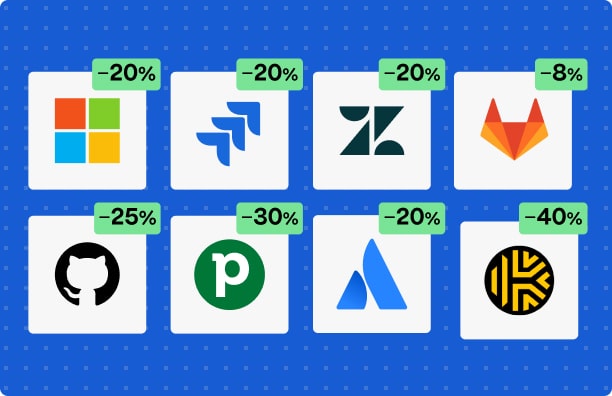
We can unlock discounts on 10,000+ tools you already use.
Conclusion
Choosing the right virtual cards in Slovakia is no longer just about digital convenience. Today’s finance leaders and founders must weigh pricing, controls, and compliance, especially as card taxes have risen and regulatory guidelines shift. Solutions from Slovenská Sporiteľňa, Tatra banka, and Prima Banka remain reliable for basic spending. However, their features may limit teams needing deeper analytics, automation, or vendor management.
Platforms like Spendbase stand out for growing companies. They combine robust spend management, software savings, and modern procurement tools, allowing businesses to go beyond ordinary cards and achieve real savings. As economist Michal Horváth notes, smarter automation and oversight are now essential to protect margins.
Stay current with regulations, compare all costs, and pick a solution that matches your finance goals. Read more about new tax strategies and local rules in this actionable guide to overcoming card taxes in Slovakia.
Choosing the right partner now means more control, less wasted spend, and a finance operation that can keep up as Slovakia’s business environment changes. Your next move matters—what platform will bring your team the edge?


Get discounts on your team’s favorite apps
Find deals for 10%, 30%, or even 70% off in our discount marketplace.
Check Discounts