





Luxembourg Financial Tips
The Luxembourg Business License: Costs, Financial Prep, and How SpendBase Helps Your Startup Succeed

Launching your startup in Luxembourg is an exciting move, but the business license often comes as the first real test. The process can feel like a maze, with upfront costs and legal obligations that quickly add up. Missing a single fee or document can delay your launch and strain your early budget.
Every euro matters when your company’s just getting started. You’ll need more than basic spreadsheets to track licensing, spending, and hidden expenses. SpendBase makes it easy for Luxembourg startups to spot savings, trim unnecessary costs, and stay in control as they scale, turning a complex first hurdle into a manageable step forward.
Understanding the Luxembourg Business License
Getting your business license in Luxembourg is the first true test for any founder. This is where your startup moves from idea to legal reality. Expect paperwork, steps that feel confusing, and costs you might not have planned for. The good news? When you know what’s coming, you can budget and prepare—so you’ll hit the ground running and keep control of your cash flow. Here’s how it all works.
Who Needs a Business License in Luxembourg?
Almost every commercial activity in Luxembourg requires a business license. If you plan to sell products, offer a service, or work as a tradesperson, a license isn’t optional. This rule covers:
- Sole traders and freelancers
- General partnerships (SNC), limited liability companies (SARL), and corporations (SA)
- Foreign companies with a presence in Luxembourg
- Non-profit organizations involved in economic activities
Certain regulated sectors—think finance, healthcare, education, real estate, catering, and construction—face stricter checks and qualifications. Even small one-person startups often need approval, so don’t assume you can skip this step if you’re working solo or online.
Key Activities That Require Licensing
The range of activities covered by Luxembourg’s licensing law is broad. If you’re unsure if your business idea qualifies, chances are it does. Typically, you’ll need a license if you engage in:
- Commercial trading: Retailers, wholesalers, and e-commerce stores
- Crafts and skilled trades: Construction, plumbing, carpentry, or repairs
- Hospitality and food service: Restaurants, catering, hotels, food trucks
- Professional services: Consulting, IT, marketing, real estate brokerage
- Transport services: Freight, taxis, logistics, delivery
- Healthcare services: Clinics, labs, physiotherapists
Keep in mind that the authorities may classify your activity under more than one category, and some fields require additional permits or proof of qualifications.
Step-by-Step: How to Apply for a Luxembourg Business License
The application process matters as much as your business idea. Missing paperwork or mistimed steps can slow things down or even block approval. Here’s a simplified breakdown:

Photo by Kampus Production
1. Collect Required Documents
- Valid photo ID or passport (for each director or partner)
- Proof of professional qualifications or diplomas (if required)
- CV and criminal record (less than 3 months old)
- Commercial lease or property certificate
- Articles of association (for registered companies)
- Business plan and description of intended activity
2. Submit Your Application
- File your application online or at the Ministry of the Economy.
- Attach scanned versions of your documents.
- Pay the application fee (usually between €24–€200).
3. Wait for Review
- Most applications are processed in 2–4 weeks, but complicated cases can take longer.
- The authorities may ask for more information or clarification.
4. Get Your Authorization
- If approved, you’ll receive your business license by post.
- Only now can you officially start trading under Luxembourg law.
Missing even a single document can send you back to the start, which means more time and more money spent. And every week waiting is a week your startup isn’t earning. Financial tracking tools that map out deadlines, expenses, and renewals—like SpendBase—help Luxembourg founders avoid costly delays by keeping every step and every euro visible.
SpendBase gives startups an edge by offering real-time spend monitoring, digital banking tools, and automated procurement controls. That way, nothing falls through the cracks during moments when every license, every document, and every expense counts. Once you’ve crossed this hurdle, you’ll be ready for growth with a system in place to control your costs from day one. For tips on managing procurement and spend from the start, check out SpendBase’s guide on procurement process management.
See how much you can save on your stack
Pick your team’s tools!
Click to select one or more tools.


What’s your company size?
Just click to select.
What’s your business email?
We'll send you calculations right away
The email is flying to your inbox!
Beyond discounts, you may qualify for up to $100K in AWS credits.

The Costs Associated With Getting Your Business License
The first big milestone for every Luxembourg startup is obtaining the business license. While the paperwork is clear enough, the true financial impact can land like a surprise bill. Costs are split between predictable official fees and those everyday bumps—like lost time and extra services—that creep into your budget. Understanding both can help you avoid nasty surprises and keep your cash flowing, no matter how complex your application gets.
Direct Costs: What You’ll Pay
When budgeting for your business license, it helps to know exactly what you’re signing up for. Here’s a quick look at the upfront costs every founder faces:
- Application Fees: Expect to pay a flat stamp duty of €50 for your business license. Some activities or company structures might require small extra fees. For details, see Application for a business permit – Guichet.lu.
- Documentation Costs: Notarized translations or certified copies of personal documents—like diplomas or criminal records—can cost anywhere from €10 to €50 each, depending on where you get them done.
- Mandatory Certifications: Regulated professions may need professional qualifications verified or recognized in Luxembourg, often with additional endorsements or fees.
- Legal and Advisory Fees: If you ask a lawyer or an advisory firm to review your paperwork, prices can range from €200 to over €1,000, especially if your situation is complex or you want hands-on support.
Add these up, and even a basic application could come to several hundred euros before your business is off the ground.
Indirect Costs: Time, Translations, and More
Beyond the official payments, the hidden costs of getting your license can drain your resources and energy. Here’s what often gets missed:
- Administrative Time: Collating, scanning, and submitting documents isn’t quick. Each round of corrections or missing paperwork can cost you more days or weeks, which delays your launch.
- Translation Services: Official documents not in French, German, or Luxembourgish must be professionally translated and certified. Fees usually start at €30 per page, with larger sets running higher.
- Business Address: Your startup must have a registered business address. Prices range from around €300 per month for a shared office on the city outskirts to much more in central locations (Costs of setting up a company in Luxembourg).
- Potential Delays: Processing can stretch for weeks or even months, especially for missing documents or if your profession is highly regulated (Business license processing time in Luxembourg). Every extra week waiting means operational costs add up while revenue remains on hold.
These aren’t just line items—they’re real drains on your runway. Digital tools like SpendBase, which streamline document storage and approval workflows, shrink the administrative grind and keep hidden costs from piling up. You’ll find it much easier to manage workflows and virtual cards for purchases if everything is tracked centrally, especially during onboarding.
Budget Planning Tips for Startup Founders
Here’s where most Luxembourg founders make their money stretch—by planning smarter, not just spending less. Consider these practical steps when setting your startup budget for licensing:
- List Every Expense: Account for direct costs (like application fees and legal support) and indirect ones (translation, extra admin time, and waiting periods).
- Build in a Buffer: Set aside 10–20% extra for unexpected hiccups—delays, price hikes, or late legal needs.
- Track Spending as You Go: Use real-time tools like SpendBase to categorize every euro spent, making it easy to adjust on the fly if costs shift.
- Compare Offers: When paying for translations or advisory help, compare at least three offers to find the best value and avoid premium rates.
- Automate Where You Can: Automating expense approvals and storing receipts digitally reduces mistakes and gives peace of mind for audits and renewals. For a closer look at managing SaaS tools and subscriptions—both big chunks of startup spend—explore SpendBase’s SaaS management features.
A clear budget helps you focus on what matters most: opening your doors, not shuffling paperwork. When manual tracking can’t keep up and costs are slipping, digital spend platforms like SpendBase put you back in control—saving both time and money while you get your business license in Luxembourg.
Common Financial Challenges When Applying
Nailing down your Luxembourg business license isn’t just a hoop to jump through—it’s the obstacle course that tests every founder’s planning and budget. Even the best-prepared startups can be blindsided by new requirements and fast-changing costs. This is where many promising ideas hit their first real snag, and where the right financial approach (and tools) can mean the difference between getting off the ground or stalling at the starting line.
Unplanned Expenses and Delays
No matter how thorough your prep, hidden costs can pop up as you go through the licensing process. You might need additional translations, pay for last-minute notary fees, or have to clear up vague regulatory points, each adding more bills to your growing list. Sometimes, authorities ask for documents you didn’t expect. Other times, there’s a request for extra proof or background checks. Every new round of paperwork takes time, and as every founder knows, time equals money.
Consider these frequent causes of swelling expenses:
- Requesting missing documents after submitting your application
- Needing certified translations for documents you didn’t realize would be required
- Tackling regulatory clarifications for activities that fall in a gray zone
- Extra legal or advisory fees to handle new approval steps
Every extra hurdle means another invoice and less predictability for your budget. Plus, since legal and advisory costs in Luxembourg can vary widely by your situation (some startups report legal bills from €200 up to €1,500 and beyond), keeping track of these moving targets is tough without a central expense management tool. For more details, you can reference guides on the costs of setting up a company in Luxembourg or read up on lawyers’ fees.
The Impact on Cash Flow and Working Capital
During the licensing phase, your cash flow is under pressure from every direction. You’re paying for staff, advisors, rent, and now, a cascade of application costs. If more expenses pop up, your “runway” (the amount of time you can operate before funding runs out) shrinks fast. The most dangerous moment? When payments overlap and you get stuck waiting for approvals. If money gets tied up for weeks or even months, your new business risks running on fumes before day one.
Here’s how cash flow can become a problem:
- Multiple fees become due at once—application, address registration, legal consultations
- Delayed approvals mean office rent, staffing, and other ongoing costs pile up
- Overruns on expected spending force you to dip into reserves meant for marketing, product, or hiring
Having real-time spend visibility makes it much easier to see which expenses are coming and to make tough decisions early. Platforms like SpendBase bring a clear view of every outflow, help you automate payment approvals, and let you tag and monitor expenses so you don’t get blindsided by duplicate payments or missed invoices. If you want advice on staying ahead of administrative and SaaS costs during this key period, check out SpendBase’s overview of saas management.
Consequences of Poor Financial Planning
Missed projections don’t just hurt your ego—they can slow down or kill your launch entirely. If you run out of cash or blow through your planned budget because of hidden licensing costs, you risk losing early customers, missing ideal market windows, or being forced to go back to investors for another round of support (which can be tough to justify with a delayed start).
Startups with shaky financial prep often face:
- Delays to market: Late launches mean you lose first-mover advantage or see competitors zip past.
- Lost revenue: Every week spent patching paperwork means one less week to earn.
- Lost credibility: If vendors or investors see early overruns, trust erodes fast.
- Stressed teams: Money anxiety can distract your first hires and make recruiting harder.
Automated spend tracking, digital receipts, and real controls over every payment allow founders to stay ahead of budgeting issues. With SpendBase, you can plan, track, and optimize your spend at every licensing step, so no surprise bill knocks you off track. For more on keeping your procurement workflow under control and saving on SaaS, explore SpendBase’s procurement management features.
When every euro and every day matter, building a system that preempts pain rather than just reacts to it is the edge that gives new Luxembourg founders a running start.
Smart Ways to Prepare Financially for Your Business License
Getting your Luxembourg business license is a big first step, but it doesn’t have to catch you off guard. With some planning and the right tools, you can clear this hurdle with confidence. Use these practical strategies to keep costs in check and avoid headaches during your licensing journey.
Building a Realistic Timeline and Budget
 Photo by Kampus Production
Smart budgeting starts with a detailed map of every licensing step. To avoid last-minute surprises, lay out each requirement alongside its costs and deadlines.
- List every required document and approval in your workflow. For Luxembourg, that might mean checking official sites, comparing recommendations, or learning from real founder stories. A helpful resource is this step-by-step guide for new Luxembourg companies.
- Factor in typical bottlenecks like notarized translations, qualification checks, and government processing times. These often stretch longer than you’d expect, so add buffer time to avoid a last-minute scramble.
- Review fee structures carefully. Application fees and company registry costs can change, so monitor updates from reputable sources like the Luxembourg Company Register or fee overviews.
Your budget should do more than just list numbers. It needs to reflect your real schedule and cash flow pace. Regularly update and cross-check expected spending as you progress—spreadsheet errors can cost more than you think.
Keeping Cash on Hand for the Unexpected
Unplanned costs are a fact of life when getting a business license. Whether it’s an extra document fee or a delay that stretches your timeline, having liquid funds ready makes all the difference.
- Reserve at least 10–20% of your total licensing budget as an emergency cushion.
- Track incoming and outgoing payments weekly, especially when multiple applications or invoices overlap.
- Stay flexible: Quick access to funds—such as a line of credit or instantly available digital reserves—lets you handle setbacks with less stress.
Explore strategies for keeping your cash flow healthy with these practical cash flow management tips. Even simple habits—checking balances often, tracking all fees, or setting aside surplus—can put you in a stronger position.
Leverage Tools and Experts to Manage Your Spend
When bills pile up and paperwork mounts, digital tools and experienced advisors pay for themselves. Early use of spend management platforms can transform budget chaos into control.
- SpendBase gives Luxembourg startups a live dashboard of spending, reminders for deadlines, and automated workflows for procurement and document storage. You gain real oversight—no more lost invoices or duplicated payments.
- Automated alerts help you spot overcharges or excess software subscriptions right away. This keeps your license and launch costs from ballooning.
- Financial advisors and accountants can highlight local grants, tax breaks, or lesser-known rules that reduce your upfront financial load. Consider expert input, especially if this is your first Luxembourg venture.
Streamlining procurement is especially useful; see how SpendBase makes it easier in their procurement control walkthrough.
Setting Up Banking and Corporate Cards
Fast access to essential business banking tools is now easier than ever. Virtual banking and digital corporate cards help reduce friction and speed up your payments during the busy licensing phase.
- Open a business account with digital onboarding to avoid long delays or branch visits. Many Luxembourg-friendly banks now offer this service, so you can access your account and move funds online.
- Use virtual corporate cards to issue spending limits for each licensing expense—perfect for managing document fees, translations, or SaaS services. With SpendBase, you can generate cards, assign them to team members, and monitor every transaction from one place.
- Automate payment approval workflows so nothing gets paid without oversight, reducing risk during periods with many moving parts. Tools with quick-issue virtual cards speed up procurement and keep you on track for application deadlines.
For an in-depth look at why robust digital banking helps startups stay agile, explore SpendBase’s approach to spend control and financial transparency.
With these financial prep steps, Luxembourg founders stay nimble, cut wasted spend, and keep their business license from turning into an unexpected roadblock. When you pair smart planning with platforms like SpendBase, you give your startup the edge it needs to launch strong and scale with certainty.
Free virtual cards for non-EU residents
Open in 1 working day, issue 100 virtual cards, and get up to 1.25% cashback.
Get a free account
How SpendBase Makes Financial Planning for Your Business License Easier
Getting your business license in Luxembourg is a huge milestone, but the real challenge often boils down to financial planning. It’s not just about paying the right fees—it’s about knowing where every euro goes and preparing for bills you never saw coming. Juggling application costs, admin charges, translations, and vendor subscriptions can feel like battling a hydra where one surprise cost leads to another. That’s why smart startups use SpendBase: it gives you clear, direct control over your spend, from the first invoice to your day-to-day operations.
 Photo by Leeloo The First
Real-Time Budgeting and Expense Visibility
With SpendBase, Luxembourg founders see exactly where every cent is going. No more second-guessing if you’ve missed a fee or wondering why your costs are climbing. The platform’s dashboard monitors each transaction, flagging anything unusual before it snowballs.
- Track licensing, document, and translation expenses side by side
- Set custom categories for all application-related costs
- Monitor your budget against planned and real spend instantly
This feature reduces the risk of being blindsided by an unexpected bill. Adjust your plan in seconds and keep that cash buffer healthy, even as new requirements pop up.
Automated Approvals and Digital Documentation
Paperwork is a constant headache during licensing. One missing invoice, receipt, or approval can send you back to the drawing board. SpendBase cuts out the confusion with:
- Automated approval workflows that keep your payments on track
- Digital storage for receipts and key documents—easy access at audit time
- Slack-based approvals so you can give the green light without missing a beat
Now you can focus on running your business, knowing every payment is properly recorded and approved. And when it’s time for renewals or government audits, all your documentation is organized and ready.
Smart Spend Controls With Virtual Cards
Traditional company cards and bank transfers can slow you down or lead to accidental overspending. SpendBase solves this with virtual corporate cards designed for startups:
- Instantly issue cards for every type of spend—document fees, translations, notaries, or SaaS subscriptions
- Set spending limits for each card, tailored to your specific licensing stage
- Assign cards to team members and track usage live, minimizing surprises
Virtual cards help you avoid duplicate payments and make reconciling bills a breeze. You can even pause cards instantly if you notice an error. If you’re searching for more insight into efficient software spending, SpendBase’s SaaS Budget Tips are worth checking out.
Procurement Simplified
Running around for approvals or quotes wastes valuable launch time. SpendBase gives Luxembourg startups a built-in procurement tool to handle every SaaS request and vendor contract:
- Create, review, and approve new purchases in one place
- Integrate with popular business apps and chat tools
- Set rules and workflows that match your unique business model
This keeps your team moving and prevents bottlenecks, so you can focus on growth rather than waiting for another rubber stamp.
Unlocking Savings and Discounts
SpendBase isn’t just about tracking spend—it’s about making your budget work harder. Their partnerships often unlock discounts on essential SaaS tools and cloud services. For new businesses, these savings add up fast, freeing up more cash for marketing or hiring.
- Use historical benchmarking to see if you’re really getting the best deal
- Get alerts when an app or subscription is underused—cut the waste before it turns into a drain
- Tap into special offers for startups working on tight margins
Streamlined Collaboration for Teams
Licensing often becomes a team effort. Multiple founders or admins may handle documents, make payments, or follow up with officials. SpendBase lets you assign roles, manage permissions, and monitor every user’s activity. That transparency gives everyone peace of mind—no missed approvals, no hidden surprises.
Positioning Your Startup for Fast Growth
The goal isn’t just to survive licensing—it’s to build habits and systems that keep your business humming as you scale. With SpendBase, you leave the guesswork behind and prepare for growth with:
- Instant insights on spend for smarter decisions
- Automations to save admin hours each month
- Controls and approvals to reduce risk as you expand your team
For Luxembourg founders ready to launch with confidence, it pays to bring in a platform that turns every euro into a strategic asset. SpendBase helps you focus on building your dream business, not just surviving the licensing maze. For those looking to fund and grow their ventures further, check resources like Finance your growth to see what local funding options exist alongside smart spend platforms.
Mistakes to Avoid in Business License Prep
Getting your Luxembourg business license is a big commitment, and some mistakes can drag out the process or cause unnecessary costs. It’s easy to overlook details when you’re juggling budgets, paperwork, and application deadlines. Knowing the pitfalls will help you sidestep them and keep your launch on track.
Rushing Documentation and Missing Key Details
Many founders move too fast to get their business running and overlook important documents. If you miss a required certificate, don’t translate a document, or forget to update your business plan, your application will likely be rejected or delayed. Each time the authorities request corrections, you lose days or even weeks—turning an easy step into repeated cycles of fixing and re-submitting.
Best practices:
- Create a checklist and tick off every document before applying.
- Double check translation and notarization requirements so you don’t get caught off guard.
- Ask peers or advisors who have successfully registered in Luxembourg for tips on commonly forgotten documents.
Not Budgeting for Unexpected Costs
Underestimating your budget is a common error—hidden fees and costs sneak in fast. Expenses like certified translations, extra legal consultations, or rush administrative fees add up. When your projections miss these items, you don’t just stretch your wallet, your cash flow takes a hit.
To avoid budget blowouts:
- Pad your budget by at least 10-15% for the unexpected.
- Track every euro spent, so nothing slips between the cracks.
- Compare offers before committing to translation or legal services.
Ignoring the Review Process
It’s tempting to rush through forms or gloss over official instructions. Mistakes in forms—like incorrect addresses or outdated qualifications—are common reasons for rejected applications. Authorities in Luxembourg are strict, so accuracy is everything.
Avoid sloppy reviews by:
- Setting aside time to double-check each part of your application.
- Having a co-founder or assistant look over your submission before sending.
- Storing all your documents digitally so nothing goes missing when you need it.
Neglecting Administrative Follow-up
Some founders submit documents and assume the process will take its course. In reality, administrative bottlenecks or requests for more information are frequent. Delays often happen because a startup simply didn’t reply to a follow-up request soon enough.
Stay on top of admin by:
- Responding quickly to any communications from licensing authorities.
- Keeping notifications on, so you never miss a request for more paperwork.
- Logging process status and reminders in your spend or project management tool.
Overlooking Extra Approvals for Regulated Professions
Luxembourg has strict rules for finance, health, food, and educational startups. Missing required professional certificates or industry clearances can set your application back to the starting line.
Helpful steps:
- Research what specific permits or qualifications can apply to you—don’t assume the general business license is enough.
- Double-check sector-specific regulations using official government portals.
- For any uncertainty, hire a consultant or lawyer who specializes in Luxembourg business setup.
Failing to Leverage Spend Management Tools
Manual budgeting in spreadsheets can’t keep up when you have deadlines, receipts, and multiple expense categories to manage. Mistakes here can be costly and will sap time just when you need it most. Spend management solutions—like SpendBase—track every requirement, automate approvals, and store all your financial documents. By wrapping your spend control, procurement, and workflow management into a single platform, you free your team from the pain of manual processes and prevent missed or duplicate payments.
In summary: By knowing the common missteps—rushed paperwork, under-budgeting, neglecting communication, missing approvals, and skipping modern spend tools—you set up your licensing process for fewer headaches and faster success. SpendBase gives Luxembourg founders the structure, digital oversight, and automation needed to minimize errors, trim costs, and focus on growth from the very beginning.
FAQs: The Luxembourg Business License and Financial Preparation
Every founder in Luxembourg faces questions as they move through the business licensing process. The stakes are high: fees, legal steps, and paperwork quickly become a maze. It’s normal to feel overwhelmed when the rules change, costs shift, or you find out about an extra document at the last minute. This FAQ addresses the most common stumbling blocks and explains how you can use tools like SpendBase to stay organized, keep costs low, and set yourself up for smoother approvals.
What Are the Must-Know Costs Involved?
The main expenses break down into official fees and the extras that catch many founders off guard. For most startups, you’ll pay a flat government stamp duty of €50 for your business license. Then add on the cost of required documents, certified translations, and any professional support you choose. Legal help and advisory services can vary based on your situation, so always compare latest fee lists before deciding.
You might also face costs for business address registration, which can run several hundred euros per month, and ongoing charges tied to annual company maintenance. If you’re setting up a more complex structure, or if you need additional sector-specific permits, budget extra here too.
How Long Does the Licensing Process Really Take?
Typical license approval takes 2 to 4 weeks—but every missed document or correction request adds days. Highly regulated fields, like finance or healthcare, can stretch out for months. Timing can slip if translated documents aren’t ready, or if extra background checks are needed. Planning your timeline carefully speeds the process and prevents lost momentum. Find a full application breakdown and timeline tips at this business permit guide.
Which Documents Are Most Often Missed?
Many founders forget:
- Up-to-date criminal record extracts (less than 3 months old)
- Professional qualifications or diplomas, certified and translated
- Detailed business plan and proof of address
- Articles of association for incorporated companies
A single missing paper can reset your application clock. SpendBase keeps checklists and stores copies of every required document, letting you monitor what’s ready and what’s left to gather. This is the difference between smooth approvals and repeated delays.
What If I’ve Budgeted Correctly—Can I Still Face Surprise Fees?
Even well-prepared founders can hit speed bumps. Last-minute notary costs, requests for more information, or new regulatory guidance often crop up after you submit your dossier. Each of these means extra bills. The best tactic is to set aside a contingency budget—at least 10-20% above your initial estimate—to cover unplanned needs. For more on typical expenses and timelines, review detailed company registration costs.
Why Do So Many Startups Struggle With Cash Flow During Licensing?
Most new businesses run into cash flow trouble because multiple expenses pile up suddenly. You might be paying for a legal address, translation services, and government fees all at once, before you see any customer income. Delays in approval stretch this period and soak up cash fast. Using SpendBase, founders can assign virtual cards for each cost category, track every euro, and pause spending instantly if needed. That keeps cash organized and ready for surprises.
Are Virtual Corporate Cards Useful for the Licensing Process?
Yes, virtual corporate cards make it much easier to pay for documents, translations, and software subscriptions securely. You set spending rules for each card (for example, one card for government fees and another for translation agencies), assign cards to your team, and monitor usage as you go. If you spot a duplicate charge or an unnecessary subscription, pause the card right away. Learn more about how smart spend management streamlines startup costs at SpendBase’s SaaS management overview.
Can I Get Advisory Help Without Breaking My Budget?
Hiring experts is smart, but prices range widely. Compare several providers for due diligence help, document preparation, and translations. Automating document collection and approvals with a tool like SpendBase also reduces the hours you’ll need to pay for legal or admin support.
How Does SpendBase Help Luxembourg Startups With Licensing?
SpendBase is more than just expense tracking—it’s your assistant for business setup in Luxembourg. With features like virtual corporate cards, automated approval workflows, and real-time spend visibility, you cut out confusion and lower the risk of missed payments. You also gain total visibility over every cost, which means fewer nasty surprises and faster turnaround at approval time. For startups that want to move quickly, keeping all procurement and financial workflow in one place is a game-changer.
For those looking to cut licensing, SaaS, and general startup costs, SpendBase also unlocks exclusive deals on software and cloud services—letting you get more business value out of each euro. For a closer look at procurement process streamlining for new businesses, visit SpendBase’s procurement management tools.
These FAQs break down complexities and address the pain points every founder feels. If you want clear financial oversight, fewer mistakes, and less time lost to bouncing between spreadsheets, SpendBase stands out as the platform that can help power your launch from day one.

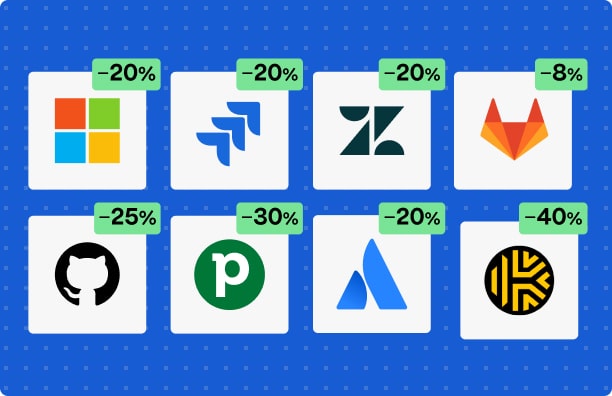
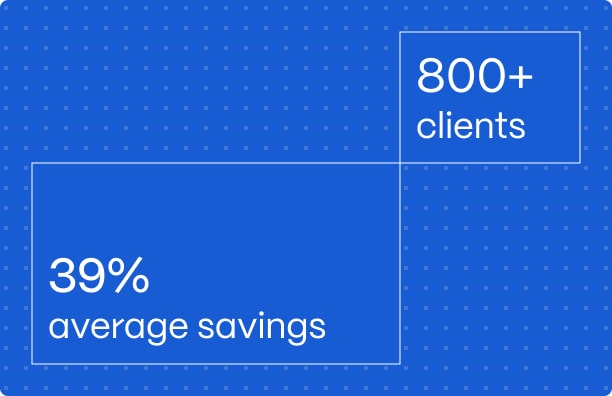
We can unlock discounts on 10,000+ tools you already use.
Conclusion
Tackling the Luxembourg business license doesn’t have to drain your energy or finances. With the right plan—and tools that show every euro and deadline in one place—you shift licensing from a stressful hurdle to a smart, managed step. SpendBase gives Luxembourg founders practical control over costs, from real-time spending insights to automation that helps catch mistakes before they happen. If you want to keep your startup lean and avoid financial roadblocks, now’s the time to bring focus to your license process.
Set your business up for fewer surprises and more savings. Give SpendBase a try and see how much easier startup finances can be, whether you need streamlined workflows or next-level control.
Thanks for reading—share your own licensing prep tips or startup experiences in the comments to help others launch with confidence.


Get discounts on your team’s favorite apps
Find deals for 10%, 30%, or even 70% off in our discount marketplace.
Check Discounts