




Saas management
Canvas vs Google Classroom vs Systeme.io for Training Teams on a Budget

Why these three tools compete
Choosing a training platform with no budget is messy. These tools were not built for corporate L&D at all:
- Canvas is made for universities and colleges.
- Google Classroom is made for K-12 schools.
- Systeme.io is made for digital marketers and course sellers.
But if your team has zero budget, you still try to twist them into an internal training hub. That means you trade comfort and polish for “good enough for now”. The goal is simple: get courses, quizzes, and videos in front of employees without a new line item in your SaaS spend.
See how much you can save on your stack
Pick your team’s tools!
Click to select one or more tools.


What’s your company size?
Just click to select.
What’s your business email?
We'll send you calculations right away
The email is flying to your inbox!
Beyond discounts, you may qualify for up to $100K in AWS credits.

Pricing tier comparison
When you have almost no budget, the real question is: how far can the free or cheapest tier go before you hit a wall? This table shows what you actually get at entry level and what happens when you need to upgrade.
| Feature | Canvas (Free-for-Teacher) | Google Classroom (Workspace) | Systeme.io |
| Entry Price | $0 / forever | $6 / user / month (Starter) | $0 / forever |
| Next Tier | ~$9,500 / year (Institutional)* | $12 / user / month (Standard) | $27 / month (Startup) |
| User Limit | Unlimited students | Unlimited (you pay per Workspace seat) | 2,000 contacts (Free tier) |
| Course Limit | Unlimited courses | Unlimited classes | 1 course (Free tier) |
| Storage Limit | 500 MB per course | 30 GB pooled per user (Drive) | Unlimited (all plans) |
| Video Hosting | No (embed YouTube or similar) | Uses Drive quota for videos | Native video hosting included |
| SCORM / Compliance | Yes (even on Free) | No | No |
* Canvas note: the jump from Free-for-Teacher to paid Canvas is huge. There is no “$50/month” small-business plan. You usually sign an annual contract for a full institutional instance, which starts in the thousands per year.
In practice, this means:
- Canvas is an amazing value at $0, but once you outgrow the free tier, you are in enterprise pricing land.
- Google Classroom scales linearly with your Google Workspace bill; great if you already pay for Gmail.
- Systeme.io is the most generous with storage and video, but the free tier locks you to one course, so you must pack all training into a single “academy” or upgrade.
How much do you actually pay for each tool?
Not all “free” or “cheap” tiers behave the same. With Canvas, Google Classroom, and Systeme.io, the real limit often hides in storage, contacts, or add-ons, not the headline price.
Canvas LMS: The storage trap
Free-for-Teacher ($0). You get almost the full LMS experience for free:
- SCORM support.
- Quizzes, grading, and tracking.
- Unlimited students per course.
The catch is storage. Each course on Free-for-Teacher is capped at 500 MB of course file storage, so a few big videos or slide decks can fill it.
How people work around it:
- Host videos on YouTube (Unlisted) or another video host.
- Embed those videos into Canvas pages so the LMS holds structure and grades but not the heavy files.
Paid institutional Canvas (quote-based). When you outgrow Free-for-Teacher and call Sales, you move into:
- Implementation fees + annual license.
- Pricing that usually starts in the thousands of dollars per year for a full institutional instance, not a small “per seat” plan.
On top of that, add-ons such as Canvas Studio (video) or Canvas Catalog (course marketplace) become extra line items. Free-for-Teacher is amazing for tiny teams, but the next step up is true enterprise land.
Google Classroom: The ecosystem tax
Google Classroom itself is “free,” but only inside Google Workspace. You pay for Workspace seats, not for Classroom directly.
Business Starter (~$6/user/month):
- Includes Classroom and 30 GB pooled storage per user across Gmail, Drive, and Photos.
- Does not include Google Meet recording on most setups; recording is reserved for higher tiers like Business Standard/Plus or certain education editions.
Result: you can run live training, but you cannot easily record and reuse those sessions on this tier.
Business Standard (~$12/user/month):
- Bumps storage to 2 TB pooled per user.
- Adds Meet recording and more meeting features, with recordings saved to Drive (which then eat into that storage).
This is often the sweet spot for companies that want Classroom plus reusable video sessions.
The extra catch: “Education” features. Interactive tools like Practice Sets sit in Education-specific editions or add-ons (for example Teaching & Learning Upgrade), which many corporate tenants do not qualify for or must purchase on top.
So the Classroom story is simple: the app is free, but real training comfort (recordings, storage, smarter assignments) lives behind higher Workspace tiers and sometimes education-only SKUs.
Systeme.io: The contact wall
Systeme.io sells itself as an all-in-one funnel and course platform, but the free plan is surprisingly usable for internal training.
Free ($0)
- Access to all core features with limits like:
- Up to 2,000 contacts.
- 1 course or membership product.
- 1 custom domain, a few funnels, and basic automation.
The two big walls:
- Contacts – every person who signs up counts. 50 employees is fine; 2,500 staff across regions pushes you past the 2,000-contact cap and triggers restrictions or an upgrade.
- Course count – you only get one course on the free tier, so you must cram “Sales Training”, “Product Onboarding”, and “HR Basics” into one big course unless you pay.
Startup plan (~$27/month):
- Around 5 courses and 5,000 contacts on most recent pricing pages (exact numbers can vary slightly by region or promo).
- Flat price per account, not per user, which is cheaper than Google Workspace for a small team of 5 if you only need training, not mail and docs.
Webinar plan (~$47/month):
- Jumps to more courses (for example 50) and 10,000 contacts, plus evergreen webinars that look “live” but run automatically.
In practice, Systeme.io’s free plan is great for a tiny internal academy. Once you add more staff or want clean course separation, you hit the contact wall and course limit and move to Startup or Webinar.
How each tool actually feels
You already know the basic use cases. Now let’s look at what happens when you put real people and real training into each platform.
Canvas LMS – The “heavy hitter”
Canvas is the standard in universities, but the Free-for-Teacher account quietly gives small teams serious power for $0.
Where Canvas shines:
- SCORM support. If you buy off-the-shelf compliance courses (harassment, cybersecurity, safety), Canvas is the only tool here that can load SCORM, run the module, and record if someone finished and passed the quiz.
- Serious tracking. You see grades, completion, attempts, and progress per person. For audits, this feels close to a “real” LMS.
Where Canvas hurts:
- Academic and clunky UI. The layout looks like a college portal. Menus, sidebars, modules, it all feels heavy for someone who just wants “watch this, pass that quiz.”
- Tiny storage cap. The free plan gives about 500 MB per course.
- Upload 5–6 HD videos and you hit the limit.
- Simple workaround: upload videos to YouTube as Unlisted and embed them in Canvas pages. Your course stays light, but you still keep the LMS logic and SCORM tracking.
Canvas fits best when compliance and tracking matter more than looks or comfort.
Google Classroom – the “quick & dirty” option
Google Classroom is not a real LMS. It is basically a stream of posts, files, and links. But if your company already lives in Google Workspace, it gives you a free and fast channel for basic training.
Where Classroom shines:
- Zero setup friction. Everyone already has a Google account. You drop a PDF, a link, or a doc, and people see it in the stream.
- Good for simple tasks:
- “Read this PDF and sign this form.”
- “Watch this 5-minute video and reply with a comment.”
- For this level of training, Classroom feels very fast.
Where Classroom fails:
- No real analytics. You cannot see who watched a video to the end or who ignored it. At best, you see comments or turned-in assignments.
- Weak quiz experience. You can build quizzes in Google Forms, then attach them, but it feels separate and messy. There is no clean “course + quiz + gradebook” loop.
Classroom works when you just need a lightweight announcement and file hub, not full training records.
Systeme.io – the “wildcard” course portal
Systeme.io exists for course creators and marketers, not HR or L&D. But its free plan is wild: 1 course, unlimited students, $0/month.
Where Systeme.io shines:
- Beautiful course experience. Learners see a clean “modules and lessons” layout that looks like a paid program on a course platform.
- Built-in video hosting. You upload videos directly. On the free plan, there is no clear storage limit in the UI, so you avoid the Canvas 500 MB cap and the need for YouTube.
- Nice for pure video training. If your format is “watch lesson → click next,” it feels smooth and modern.
Where Systeme.io breaks for internal use:
- Not built for internal secrets. It expects public sales funnels. People join through sign-up pages.
- You must hide your training pages from search.
- You must treat links with care, or random users may register.
- Awkward for bulk enrollments. It does not act like an employee directory. Staff often have to sign up one by one, which adds friction.
Systeme.io fits best if you want a “Netflix-style” internal academy, do not store sensitive data there, and accept that it behaves more like a marketing site than a locked-down LMS.
Free virtual cards for non-EU residents
Open in 1 working day, issue 100 virtual cards, and get up to 1.25% cashback.
Get a free account
Comparison: The “must-have” features
When you train a team, a few basics matter more than anything: where you host videos, how good the quizzes are, whether you can give certificates, how training works on mobile, and what kind of analytics you get. Here is how Canvas, Google Classroom, and Systeme.io stack up on those core points.
| Feature | Canvas | Google Classroom | Systeme.io |
| Video Hosting | Weak (500MB limit per course) | Weak (uses Google Drive quota) | Strong (platform handles course videos) |
| Quizzes | Advanced (timed, random, graded) | Basic (Google Forms only) | Basic (simple multiple choice, no logic) |
| Certificates | No (manual work if needed) | No | No (often needs paid upgrade or hack) |
| Mobile App | Excellent native apps | Good (Classroom app) | No app (mobile web only) |
| Analytics | Deep (time, logins, grades) | None (only “turned in” view) | Sales-focused (who “signed up”, not depth of learning) |
What this means in practice:
- Canvas. Best if you care about quizzes and proof of completion. You get strong quiz options and detailed analytics (time in course, grades, attempts). The weak point is video: the 500MB limit pushes you to host video elsewhere and embed it.
- Google Classroom. Good for simple tasks and document flows. You can attach videos and forms, and the mobile app is fine. But you do not get real learning analytics: you only see if people turned in work, not how much they watched or how they scored across modules.
- Systeme.io. Great if your training is video-first and you want a modern course look. It handles videos well and looks like a paid course portal. The trade-offs: quizzes are very simple, no proper certificates on the free setup, and analytics tilt toward “who signed up” rather than detailed learner progress.
Which “free” option actually fits your budget reality?
When you have little or no budget, the question is not “which LMS is best” but “which free setup fits our situation without backfiring later?” Here is how the three tools line up in real scenarios, plus a simple decision flow you can follow.
Scenario A: “We have $0 and need to track compliance”
Winner: Canvas Free-for-Teacher
- Canvas is the only one here that supports SCORM and proper quiz tracking on the free tier.
- You can prove that Employee X passed Course Y on Date Z, which matters for audits.
Cost move: Use YouTube (Unlisted) or another host for video and embed it in Canvas. This avoids the tiny 500 MB per-course storage cap while you keep tracking at $0.
Winner: Google Classroom
- If you already pay for Google Workspace Starter, Classroom costs you nothing extra.
- It is perfect for “Read this PDF”, “Watch this short video”, “Fill this form” cases.
Cost move: Stay on Business Starter (around $6/user/month in many regions) with 30 GB pooled storage per user. Skip the upgrade to Standard just for recording; instead, use a free tool like Loom’s free tier or OBS to record sessions and upload the files to Drive.
Scenario C: “We want a professional ‘university’ look with video”
Winner: Systeme.io (Startup plan)
- The free plan gives you 1 course and up to 2,000 contacts, but that single-course limit quickly hurts once you split topics.
- At around $27/month (Startup or similar tier), you get several courses, more contacts, and native video hosting that feels like a branded “Netflix-style” portal.
Cost move: Even at ~$27/month flat, Systeme.io stays cheaper than many “per user” LMS tools (for example, $6–$10 per user) once you pass 5–10 employees.
Quick decision flow: How to pick in 30 seconds
Ask yourself these questions in order:
- Do you need to run SCORM files or vendor-made interactive modules?
- Yes → Pick Canvas (it is the only one on this list that handles SCORM properly on the free tier).
- No → Go to step 2.
- Is most of your training “read docs” or “watch videos”?
- Mostly docs / PDFs / simple forms → Google Classroom (fast and easy if you are already on Workspace).
- Mostly videos and you care about the viewing experience → Systeme.io (strong video hosting and course layout).
- Is the content highly confidential (internal policies, client data, trade secrets)?
- Yes → Lean to Canvas or Google Classroom, which sit inside education or Workspace-style access control.
- No → Systeme.io is fine, as long as you hide public sign-up pages and treat it as a branded, low-cost training portal.

We can unlock discounts on 10,000+ tools you already use.
“Free” tools can still drain your budget, just quietly
Yeah, these tools are free. But you still pay… just not with money first. You pay with admin time, follow-ups, and small daily problems that stack up fast.
Here’s what that looks like in real life:
- Canvas. Someone has to clear storage manually or deal with messy enrollments.
- Google Classroom. You end up chasing people because you can’t clearly see who watched the video.
- Systeme.io. You might need workarounds so the public doesn’t join the wrong course.
And then the next step usually comes: you add a paid LMS (like TalentLMS or LMS365), or you start paying for add-ons. That’s when costs can jump, because you get more seats than you need, renew plans you forgot about, or keep tools that no one really uses.
Spendbase helps you keep training tools under control:
- Detect duplicate subscriptions so teams don’t buy separate tools in different departments.
- Monitor usage so you don’t pay for inactive seats.
- Use virtual cards to set a hard budget limit for “Training Tools,” so renewals don’t sneak in.
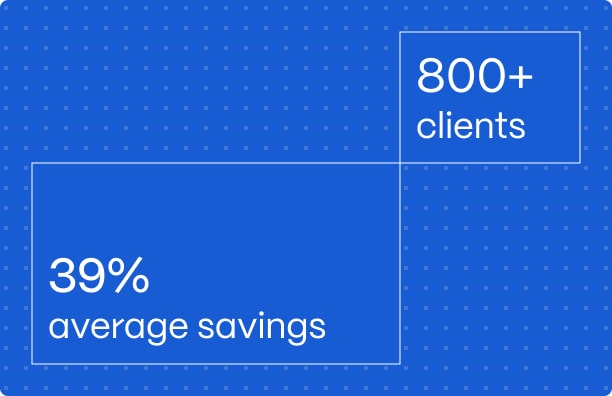
On average, Spendbase clients cut 39% of IT spend without chaos for their teams. If you want a clear view of your training stack and a simple plan to pay less, talk to Spendbase and see how much you can save this year.


Get discounts on your team’s favorite apps
Find deals for 10%, 30%, or even 70% off in our discount marketplace.
Check Discounts